
Harvest
Expenses
Sign up

How to Photograph Receipts for Expense Reports

Harvest simplifies the integration of photographed receipts into expense reports, helping businesses save $54,000 annually on administrative costs.

  • Attach receipts to projects & tasks
  • Turn tracked expenses into client invoices
  • Free 30-day trial, no credit card needed

or drag & drop • Images and PDFs, max 10 MB

Mastering Receipt Photography for Expense Reports

Photographing receipts effectively is crucial for accurate expense reporting and compliance. A well-captured receipt image ensures all necessary details are preserved, reducing errors and saving time. With manual expense processing costing an average of $58 per report, and errors occurring in 19% of reports, the need for clear, legible receipt photos is evident. Moreover, businesses leveraging automated systems, starting with digital receipt capture, have reported annual savings of $54,000 in administrative costs. This underscores the importance of mastering receipt photography.

To achieve clarity, use natural or diffused lighting to avoid shadows and glare. Place the receipt on a contrasting surface and ensure the entire document is in the frame. Hold the camera steady and tap to focus on the receipt to prevent blurriness. Reviewing the image immediately ensures all details, such as vendor name and amount, are legible. These practices not only enhance image quality but also facilitate easier integration into digital systems, like Harvest, which allows users to upload and categorize receipt photos efficiently.
Integrating Photographed Receipts into Expense Management

Incorporating photographed receipts into expense management systems streamlines financial workflows and enhances accuracy. With 27% time savings and a 20% decrease in error rates reported by businesses adopting digital expense solutions, integrating receipts effectively is essential. Harvest simplifies this process by allowing users to upload receipt images directly into its expense tracking module, ensuring seamless integration into project-based expense management.

Harvest enables users to handle both digital and paper receipts by uploading photos or PDFs. Once uploaded, receipts can be organized and categorized, aiding in efficient expense reporting. This capability supports businesses in maintaining compliance with tax authority requirements, such as those set by the IRS, HMRC, CRA, and ATO, which accept digital receipts if they are legible and securely stored. By using Harvest, companies can focus more on strategic decision-making rather than manual data entry tasks.

Overcoming Common Challenges in Receipt Management

Managing receipts effectively can be challenging, with common issues including lost receipts and manual data entry errors. Nearly half of all paper receipts are lost or discarded before they can be recorded, highlighting the need for a robust digital solution. Digital receipt capture, as facilitated by tools like Harvest, addresses these challenges by enabling immediate upload and categorization, reducing the risk of loss and ensuring all expenses are documented promptly.

Furthermore, Harvest supports users in organizing receipts by categories, making retrieval easier and ensuring compliance with financial regulations. Businesses have reported significant time savings and improved accuracy by transitioning to digital expense management. For instance, a company reduced its reconciliation time from hours to minutes, demonstrating the efficiency gains achievable through digital solutions. By adopting Harvest for receipt management, businesses can streamline their expense processes and enhance overall financial accuracy.

Receipt Photography Made Easy with Harvest

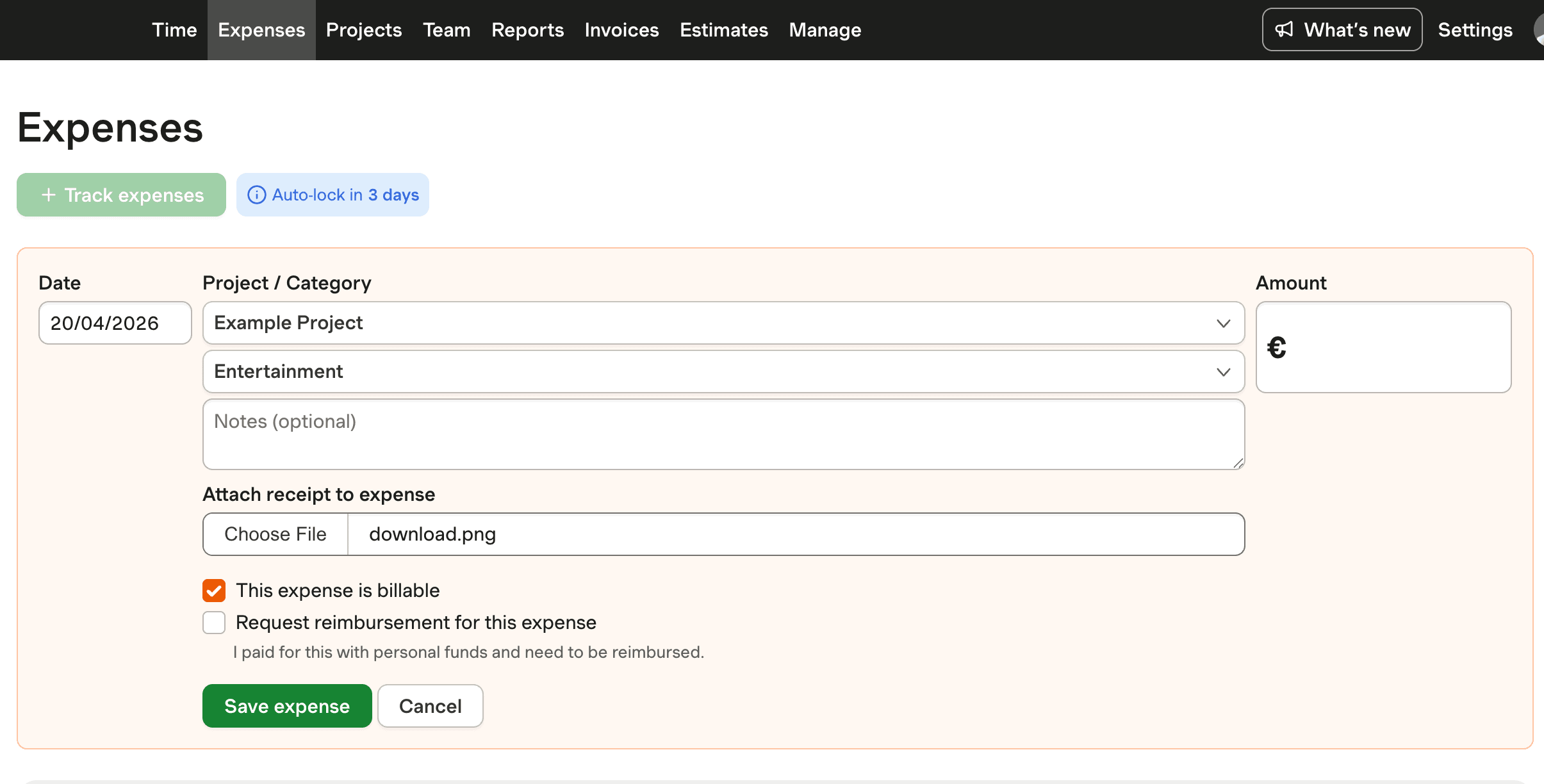
See how Harvest allows seamless receipt image uploads and categorization, enhancing expense report accuracy.

Screenshot of Harvest's receipt upload feature for expense reports.

How to Photograph Receipts for Expense Reports FAQs

  • Best practices include using natural lighting to avoid shadows, placing the receipt on a contrasting surface, capturing the full document, and ensuring the image is clear and legible. Reviewing the photo immediately ensures all details are captured correctly.

  • To ensure clarity, use good lighting, hold the camera steady, and focus on the receipt. Make sure the entire receipt is in the frame and review the image for legibility immediately after taking it.

  • Using a mobile app with built-in image capture capabilities can greatly assist in photographing receipts. Apps that allow direct uploads to expense management systems, like Harvest, streamline the process and ensure receipts are stored securely.

  • Harvest allows users to upload receipt images directly into its expense tracking module. This integration facilitates seamless organization and categorization, enhancing the accuracy and efficiency of expense reporting.

  • Natural or diffused lighting is ideal for photographing receipts. This type of lighting helps avoid shadows and glare, ensuring the receipt is clear and all details are legible.

  • Harvest enables users to organize receipts by uploading them into the expense tracking module where they can be categorized by type. This organization aids in easy retrieval and accurate expense reporting.

  • Digital receipt capture reduces the risk of loss, minimizes manual data entry errors, and enhances compliance with tax authority requirements. Businesses report significant cost savings and improved accuracy with digital solutions.