
Harvest
Expenses
Sign up

How to Submit an Expense Report

Harvest simplifies expense tracking by allowing users to upload receipts and customize categories, streamlining the submission process for expense reports.

  • Attach receipts to projects & tasks
  • Turn tracked expenses into client invoices
  • Free 30-day trial, no credit card needed

or drag & drop • Images and PDFs, max 10 MB

Understanding the Expense Report Submission Process

Submitting an expense report involves a series of structured steps that ensure accuracy and compliance with company policies. This process is crucial as it directly impacts financial transparency and employee reimbursement timelines. With 19% of manual reports containing errors, it's evident that a detailed approach can prevent costly mistakes.

To begin, collecting and organizing receipts is essential. Utilize mobile devices to photograph receipts or store physical copies systematically. Make sure each receipt clearly shows the vendor's name, purchase date, itemized costs, and payment method. Next, categorize expenses accurately using predefined company categories. This step helps align your reporting with company budgets, minimizing discrepancies.

Once organized, fill out the expense report form in your company's designated system. This includes entering transaction dates, vendor names, amounts, and specific business purposes. Attach corresponding receipts to each line item. Before submission, review all details meticulously, ensuring compliance with company policies. Submit the report for approval, keeping in mind that adherence to deadlines prevents delays in reimbursement.
Challenges in Expense Reporting and How Harvest Simplifies It

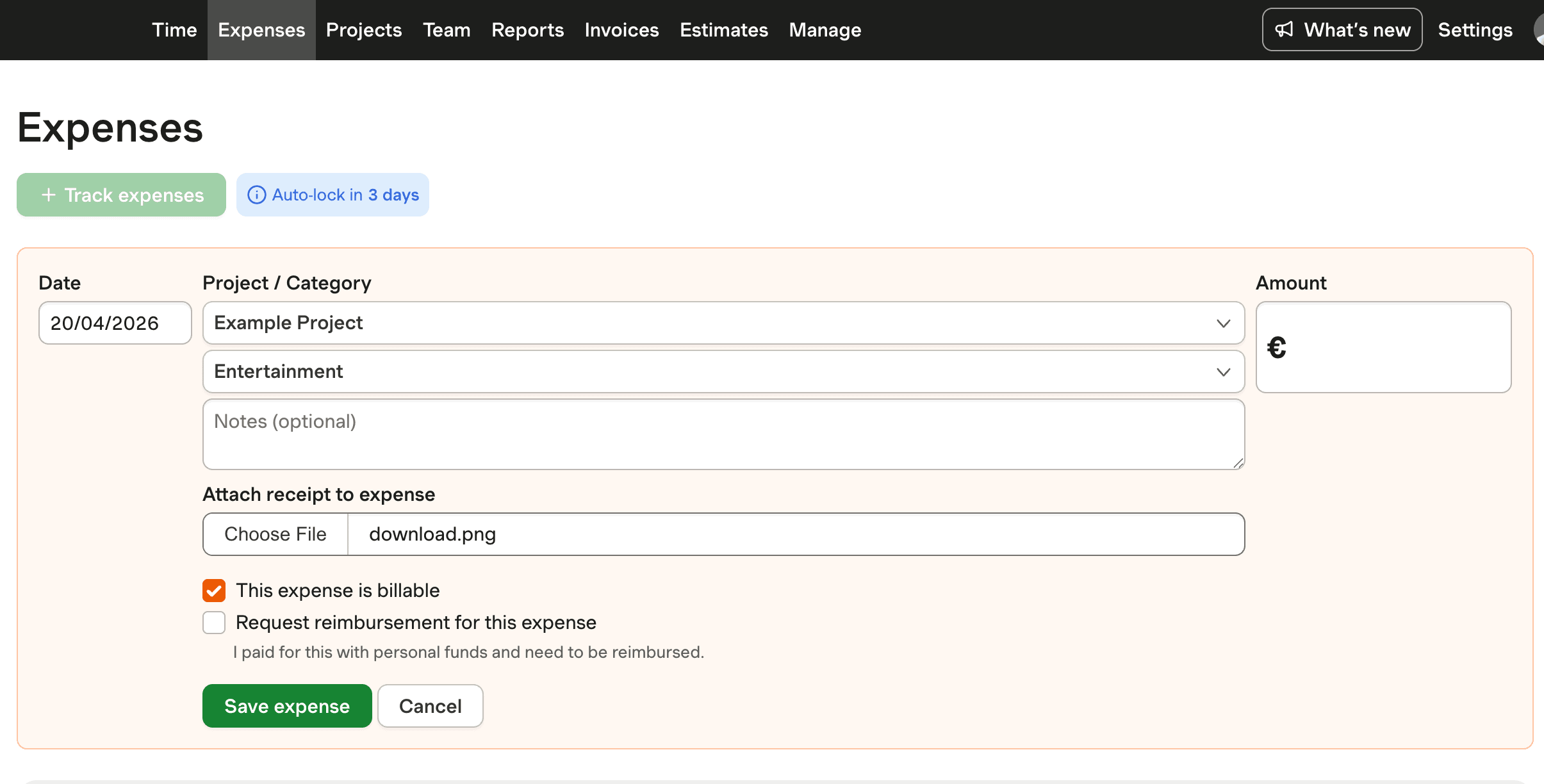
Common challenges in expense reporting include lost receipts, mixing personal and business expenses, and unclear policy limits. These issues can lead to errors that cost U.S. businesses billions annually. Harvest addresses these challenges by providing a digital platform where users can upload receipt images or PDF files, ensuring that all documentation is securely stored and easily accessible.

Moreover, Harvest allows for customization of expense categories, which helps align reporting with company budgets and eliminates confusion over how expenses should be classified. This feature is essential for maintaining transparency and accuracy in financial records.

Harvest also enables administrators to act as delegates, allowing them to submit expenses on behalf of team members. This flexibility ensures that all expenses are accounted for, even if the original spender is unavailable to submit their report directly.

Leveraging Automation for Efficient Expense Reporting

Automation in expense reporting offers significant benefits, including a 67% reduction in processing times and 20% fewer errors. This shift is crucial as businesses spend approximately 3,000 hours annually correcting expense report mistakes. Harvest integrates these advantages by allowing users to automate the categorization and submission of expenses, saving time and reducing the potential for human error.

Automated systems like Harvest can reduce the cost of processing a single expense claim by up to 78%. With real-time data visibility, businesses can monitor expense trends and policy adherence more effectively. This technological evolution from manual to digital not only streamlines processes but also provides strategic insights into spending habits.

Despite automation's advantages, only 2.6% of expense claims are approved immediately. Harvest's efficient workflow ensures that expenses are processed swiftly, minimizing the typical delays associated with manual approval processes and enhancing overall organizational efficiency.

The Importance of Accurate and Timely Expense Reporting

Accurate and timely expense reporting is vital to maintain financial integrity and compliance. Businesses face substantial penalties for improper documentation, with potential fines for duplicate claims or incorrect categorizations. Ensuring that reports are submitted promptly can prevent these issues and facilitate smoother financial operations.

Harvest plays a critical role in this aspect by allowing users to track and submit expenses as part of a weekly timesheet. This integration with time tracking ensures that all expenses are documented in a timely manner, reducing the risk of overlooking or misplacing receipts.

While Harvest does not specifically address tax implications of timing, its focus on regular submission helps mitigate related risks by ensuring consistent documentation and reporting practices.

Streamline Expense Reporting with Harvest

The preview shows Harvest's interface for uploading receipts and customizing expense categories, simplifying report submission.

Harvest expense report submission interface screenshot

How to Submit an Expense Report FAQs

  • To submit an expense report, collect and organize receipts first. Then, categorize each expense and fill out the report form with transaction details. Attach receipts and submit the report for approval.

  • Essential documentation includes itemized receipts showing vendor names, dates, costs, and payment methods. These should be attached to each line item in your expense report.

  • To ensure accuracy, double-check receipt details against your report entries, categorize expenses correctly, and review for compliance with company policies before submission.

  • Avoid losing receipts by using digital tools, ensure expenses match company policies, and prevent duplicate submissions by checking for unique identifiers on each claim.

  • Harvest facilitates expense report submission by allowing receipt uploads, customizable categories, and delegate submissions, ensuring accurate and streamlined reporting.

  • Harvest allows users to customize expense categories, helping to align reports with company budgets and policies, reducing errors in categorization.

  • While only 2.6% of claims are immediately approved industry-wide, Harvest's streamlined processes help expedite submission and approval, reducing typical delays.