
Harvest
Expenses
Sign up

Meal Allowance for Business Travel

Businesses can struggle with the complexity of meal allowance regulations during travel. Harvest provides tools to streamline expense tracking and reimbursement processes, ensuring compliance and efficiency.

EXPENSE REPORT DRAFT

Drop your receipts here or click to upload

Images and PDFs (max 10 MB each)

Date
Category
Merchant
Description
Amount
Total
$0.00

Customise report

Appearance

Show report title

Report settings

Understanding Meal Allowance Regulations for Business Travel

Meal allowances for business travel are guided by specific regulations that vary by country and by the nature of employment. In the United States, the IRS sets guidelines allowing businesses to deduct 50% of meal expenses incurred during travel. The standard per diem rate for meals and incidental expenses is $68 as of fiscal year 2026. For high-cost areas, the rate can go as high as $86 per day (source). This structured approach helps businesses manage travel expenses efficiently while staying compliant with tax regulations.

It's crucial for companies to establish clear policies outlining their meal allowance structure. These policies can range from adhering to federal per diem rates to creating customized rates that reflect the company's travel patterns and financial capacity. By setting explicit spending limits and using per diem systems, businesses can simplify expense tracking and reduce errors, ultimately enhancing employee compliance and satisfaction.
Optimizing Travel and Expense Management

Effective travel and expense management is a top priority for over 75% of businesses, as it significantly impacts financial oversight and employee satisfaction. Implementing a streamlined system for meal allowances not only reduces administrative burden but also provides employees with clear spending guidelines. For instance, many organizations use federal per diem rates as a benchmark, adjusting them to meet their specific needs.

While some companies opt for fixed allowances — providing a consistent daily amount regardless of actual expenditures — others prefer more flexible approaches. Regardless of the method, leveraging technology such as travel management companies or central travel accounts can automate tracking, reporting, and reconciliation of expenses. Such automation minimizes manual errors and accelerates approval processes, allowing for more efficient management of travel expenses.

Legal Compliance and Documentation Requirements

Ensuring compliance with legal requirements is essential when managing meal allowances. In the U.S., employees using per diem rates aren't required to submit every receipt but must document the time, place, and business purpose of their travel. This documentation is crucial for audit purposes and helps avoid any compliance issues with the IRS.

In contrast, other countries have different requirements. For example, the UK’s HMRC allows benchmark subsistence rates without the need for receipts, provided the meal expenses fall within the set guidelines. In Canada, meal allowances are generally considered reasonable if they do not exceed $17 per meal. These variations highlight the importance of understanding local regulations and ensuring that all documentation is meticulously maintained to support expense claims.

Implementing Best Practices for Meal Allowances

Adopting best practices in managing meal allowances can lead to more efficient expense management and enhanced compliance. Establishing a comprehensive expense policy is the first step. This policy should clearly define what the meal allowance covers, exclude non-reimbursable items like alcohol, and outline the approval process for claims.

Additionally, companies should decide on how per diem payments are distributed. Options include upfront payments, partial upfront payments, or reimbursements post-travel. Training employees on accurate expense categorization and digital receipt management is also crucial to prevent errors and ensure seamless expense tracking. By integrating meal allowance management with expense management software, businesses can automate and simplify the entire process, from capturing essential travel information to analyzing spending patterns.

Streamline Meal Allowances with Harvest

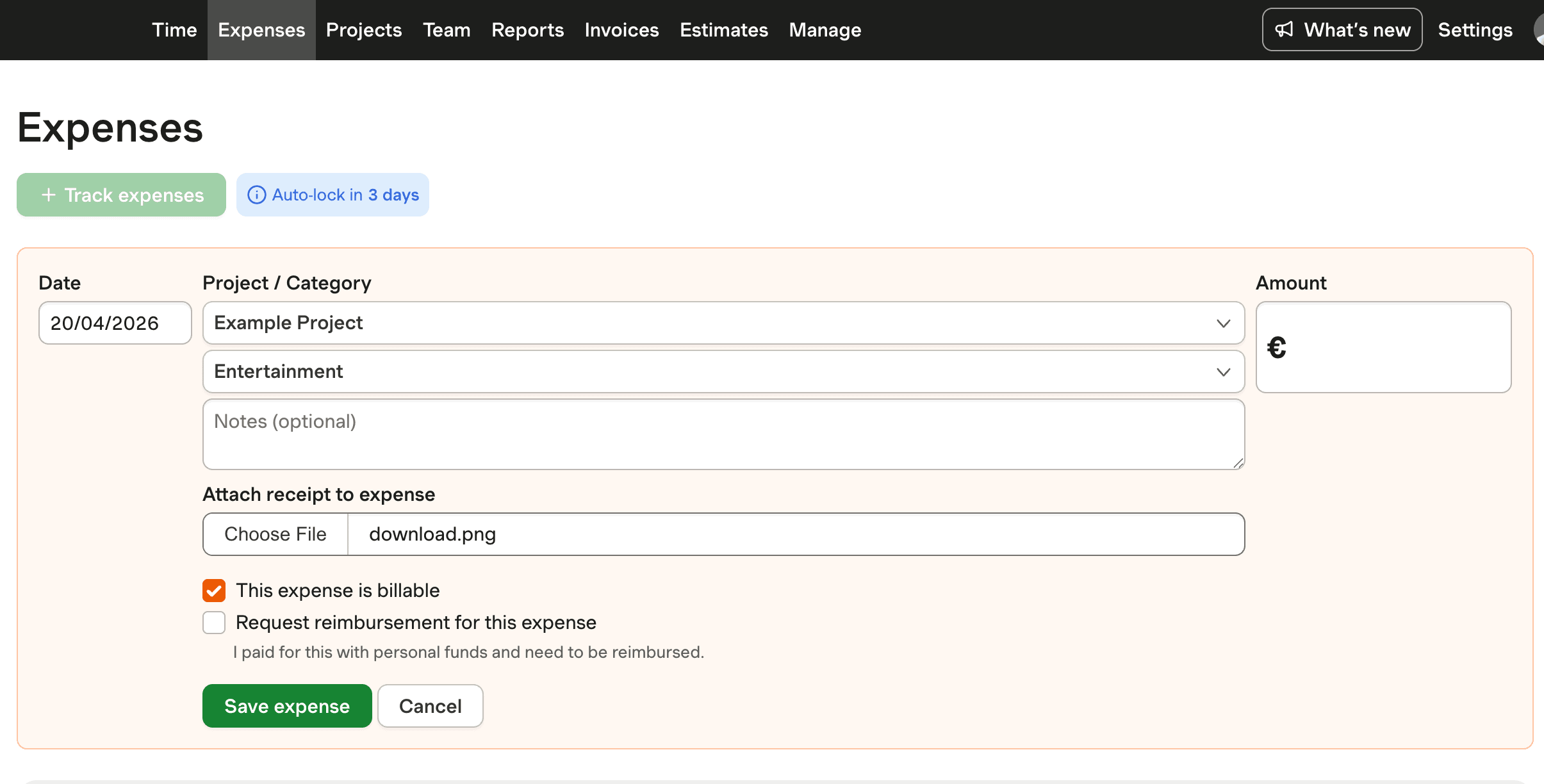
See how Harvest helps manage meal allowances for business travel, ensuring compliance and efficient expense tracking.

Harvest platform showing meal allowance tracking for business travel.

Meal Allowance for Business Travel FAQs

  • The IRS allows businesses to deduct 50% of meal expenses incurred during business travel. For fiscal year 2026, the standard daily per diem rate for meals and incidental expenses is $68, with higher rates for high-cost areas.

  • Per diem rates can vary significantly depending on the location. The IRS high-low method sets rates at $319 per day for high-cost areas and $225 for low-cost areas, with specific allocations for meals and incidentals.

  • In the U.S., while detailed receipts may not be necessary when using per diem rates, documenting the time, place, and business purpose is essential. Other countries may have different documentation requirements, such as maintaining proof of business travel.

  • Self-employed individuals are subject to the same 50% meal deduction rule as employees. However, they must ensure that expenses are directly related to their business and properly documented to be deductible.

  • Generally, the maximum deduction for meal expenses is 50% of the cost, provided they are incurred during business travel and meet IRS guidelines. Exceptions may apply based on specific circumstances or locations.

  • Businesses can optimize meal allowance management by setting clear policies, using federal per diem rates as benchmarks, and leveraging technology to automate tracking and reporting, thus reducing errors and administrative burdens.

  • Digital receipt management simplifies the tracking process, reduces the risk of lost or duplicate receipts, and enables quick reconciliation of expenses. It also supports compliance by ensuring all documentation is accurate and readily accessible.