
Harvest
Expenses
Sign up

Travel Allowance

Travel allowances are crucial for managing business travel expenses, and Harvest simplifies expense tracking by project, ensuring accuracy and compliance.

EXPENSE REPORT DRAFT

Drop your receipts here or click to upload

Images and PDFs (max 10 MB each)

Date
Category
Merchant
Description
Amount
Total
$0.00

Customise report

Appearance

Show report title

Report settings

Understanding Travel Allowance and Its Importance

A travel allowance is a payment provided to employees to cover expenses incurred during business travel, crucial for ensuring that employees are not out-of-pocket for work-related expenses. In 2021, global business travel spending hit $697 billion, highlighting the significant role travel allowances play in corporate finance. Companies typically allocate about 10% of their revenue to travel expenses, reflecting the need for effective management of these costs. Travel allowances can encompass various expenses such as transportation, lodging, and meals, adjusted for factors like destination and duration.

Effective management of travel allowances not only supports compliance with financial policies but also contributes to employee satisfaction by ensuring fair reimbursement. However, manual processes for handling these allowances can be time-consuming and error-prone, leading to challenges in compliance and accurate reporting. For instance, policy violations in travel expenses have increased by 24% year-over-year, indicating a growing need for streamlined processes.
Calculating Travel Allowances: Methods and Challenges

Calculating travel allowances involves determining the costs covered for business trips, which can vary based on company policies and travel destinations. On average, business travel costs have increased by 35% year-over-year, with the global average cost per trip reaching $1,128 in 2025. Companies often face challenges in setting appropriate allowances that align with both budget constraints and market conditions.

To manage these challenges, companies might opt for either a fixed travel allowance or reimburse actual expenses, each with its own implications. While fixed allowances offer simplicity, they might not cover all costs in high-expense locations. On the other hand, actual expense reimbursement requires thorough documentation but ensures that all incurred expenses are covered. Despite the chosen method, consistent compliance with company policies and local regulations is essential to avoid financial risks.

Tax Implications and Compliance of Travel Allowances

Travel allowances come with specific tax implications and compliance requirements that vary by jurisdiction. For instance, in the US, travel expenses are deductible if incurred while away from the tax home for work purposes. The IRS mandates documentation within 60 days to ensure that reimbursements remain non-taxable under an accountable plan. Failure to comply can result in penalties and additional tax liabilities.

In contrast, countries like the UK and Australia have their own guidelines for determining the taxability of travel allowances. In the UK, allowances are generally taxable unless they reimburse actual expenses, while in Australia, allowances within the ATO's reasonable amounts are non-taxable. Companies must navigate these varying regulations to maintain compliance and avoid unnecessary expenses. Clear policies and automated systems can greatly aid in managing these complexities.

Automating Travel Expense Management with Harvest

While Harvest does not manage travel allowances directly, it excels in tracking project-based expenses and time, making it an ideal tool for teams needing straightforward expense management without the complexities of travel allowances. Harvest enables businesses to efficiently track expenses by category and project, ensuring accurate financial reporting and budget adherence.

By automating the tracking of expenses, Harvest reduces the administrative burden associated with manual processes. This automation not only saves time but also minimizes errors and enhances compliance with company policies. As noted, manual expense management can be error-prone and time-consuming, with 43% of companies still relying on outdated methods. Harvest provides a modern solution, allowing businesses to streamline their expense management processes effortlessly.

Simplify Travel Allowance Tracking with Harvest

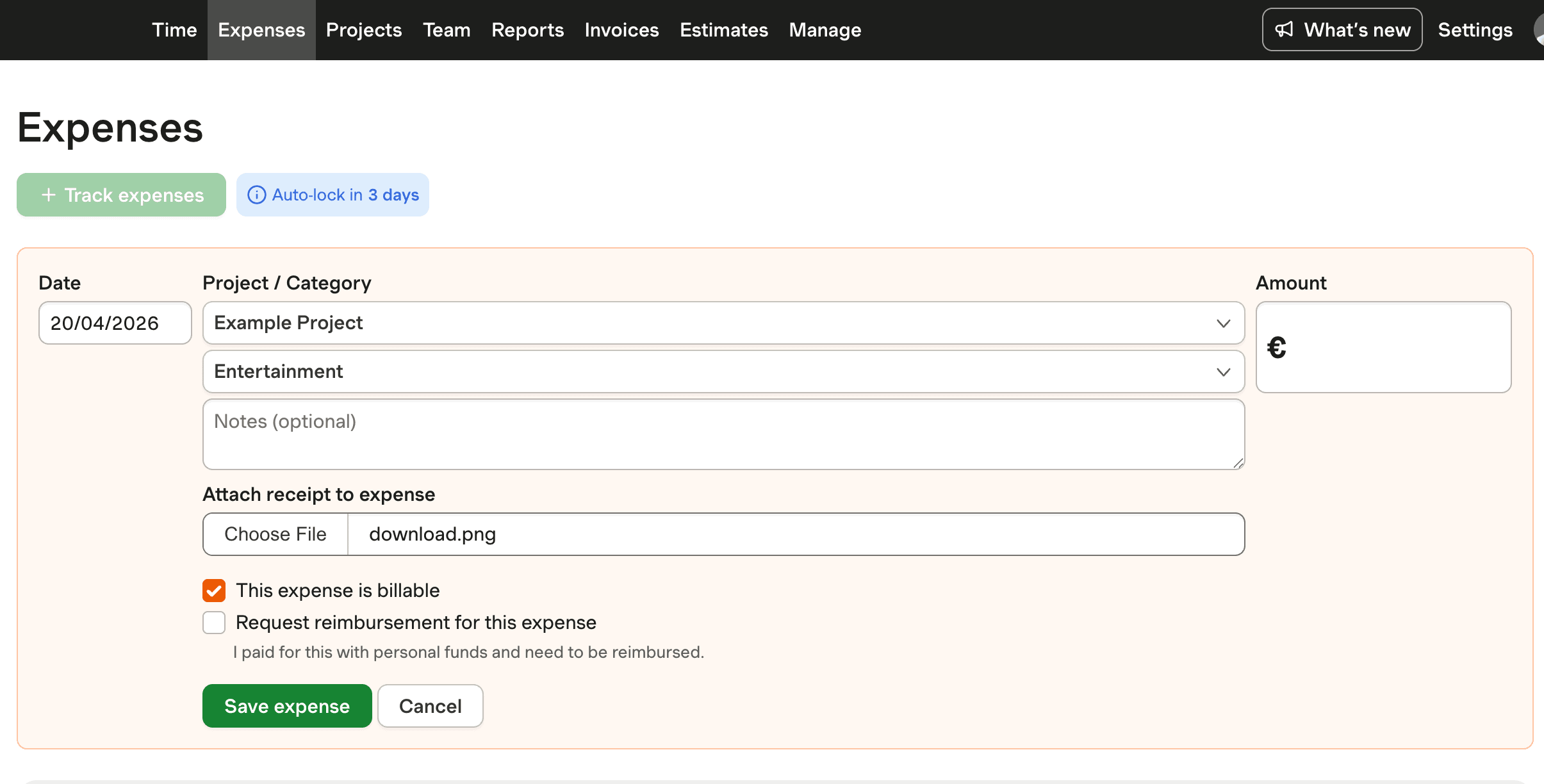
The preview highlights Harvest's ability to track expenses by project, streamlining travel allowance management and ensuring compliance.

Screenshot showing Harvest's project-based expense tracking for travel allowance context.

Travel Allowance FAQs

  • A travel allowance is a payment given to employees to cover work-related travel expenses, such as transportation, lodging, and meals. It ensures employees are reimbursed for costs incurred during business trips.

  • Travel allowances are calculated based on factors like destination, duration of travel, and company policies. Companies may offer fixed allowances or reimburse actual expenses, each with specific compliance requirements.

  • The tax implications of travel allowances vary by jurisdiction. In the US, they are generally non-taxable if reimbursed under an accountable plan with proper documentation. Other countries have different rules, so compliance is key.

  • Travel allowances cover actual expenses incurred, while per diem rates provide a fixed daily amount for travel costs. Per diem simplifies administration but may not cover all expenses in high-cost areas.

  • Automating travel expense management reduces errors, saves time, and enhances compliance with policies. It provides better data visibility and simplifies reimbursement processes, benefiting both companies and employees.

  • Harvest helps track project-based expenses, providing accurate financial reporting and budget adherence. It automates expense tracking, reducing manual errors and administrative burdens.

  • Manual travel expense management is prone to errors, time-consuming, and often leads to non-compliance with policies. Automating these processes can significantly improve efficiency and accuracy.

  • In the US, travel allowances require documentation within 60 days to remain non-taxable. Reimbursements must align with IRS guidelines under an accountable plan to avoid tax liabilities.

  • Companies can ensure compliance by developing clear travel policies, automating expense management, and providing employee training. Regular audits and updates to policies can also help maintain compliance.