
Harvest
Expenses
Sign up

Travel Meal Allowance 2022

In 2022, federal travel meal allowances saw significant updates, impacting expense management. Harvest offers tools to streamline time tracking and financial reporting.

EXPENSE REPORT DRAFT

Drop your receipts here or click to upload

Images and PDFs (max 10 MB each)

Date
Category
Merchant
Description
Amount
Total
$0.00

Customise report

Appearance

Show report title

Report settings

Understanding the 2022 Travel Meal Allowance Rates

The travel meal allowance rates for federal employees in 2022 are critical for budgeting and compliance. The General Services Administration (GSA) increased the standard CONUS M&IE (Meals and Incidental Expenses) rate from $55 to $59 effective October 1, 2021, for fiscal year 2022. For high-cost locations, the IRS set the high-low M&IE rates at $74, remaining unchanged from previous years. These adjustments reflect an effort to accommodate rising costs and ensure fair compensation for employees on official travel duties.

Moreover, the IRS Notice 2022-44 outlines special per diem rates that began on October 1, 2022. These rates allow businesses to treat travel expenses as substantiated without requiring employees to prove the exact amount spent. This simplification aids in reducing errors in expense reporting, which occur in approximately 19% of reports, costing around $52 per correction and consuming 18 minutes per error. By utilizing these allowances effectively, organizations can streamline their expense management processes.
Strategies for Effective Travel Expense Management

Managing travel expenses efficiently is a priority for over 75% of businesses, especially as errors in expense reports can lead to significant financial and time losses. Implementing a robust process for meal allowance reimbursement is crucial. Companies frequently choose between providing full per diem payments upfront or reimbursing actual expenses after travel. Each method has its pros and cons, depending on the company's size and the nature of employee travel.

To ensure accuracy and compliance, organizations should establish an accountable plan that requires substantiation of all travel expenses, which includes details on the time, place, and business purpose. Additionally, leveraging tools like Harvest for time tracking can integrate seamlessly with financial systems to automate the capture and reporting of expenses. Automation helps in reducing manual errors and improving the accuracy of financial reporting, ultimately saving time and resources.

Key Compliance Considerations for Meal Allowances

Compliance with federal regulations on meal allowances is essential for avoiding tax liabilities and ensuring proper reimbursement. The IRS allows per diem payments to be non-taxable if they adhere to accountable plan rules, which require employees to document the time, place, and business purpose of expenses. This adherence eliminates the need to return unspent amounts or have them taxed as income.

Moreover, the temporary 100-percent deduction for the meal portion of per diem rates, applicable to expenses paid or incurred between December 31, 2020, and January 1, 2023, offers businesses a unique opportunity to optimize their tax deductions. Nevertheless, companies must ensure that their accounting systems are set to apply the standard 50% limitation on meal deductions, which is the norm outside the specified period. Proper documentation and adherence to IRS guidelines ensure that businesses remain compliant while optimizing travel expense management.

Travel Meal Allowance 2022 with Harvest

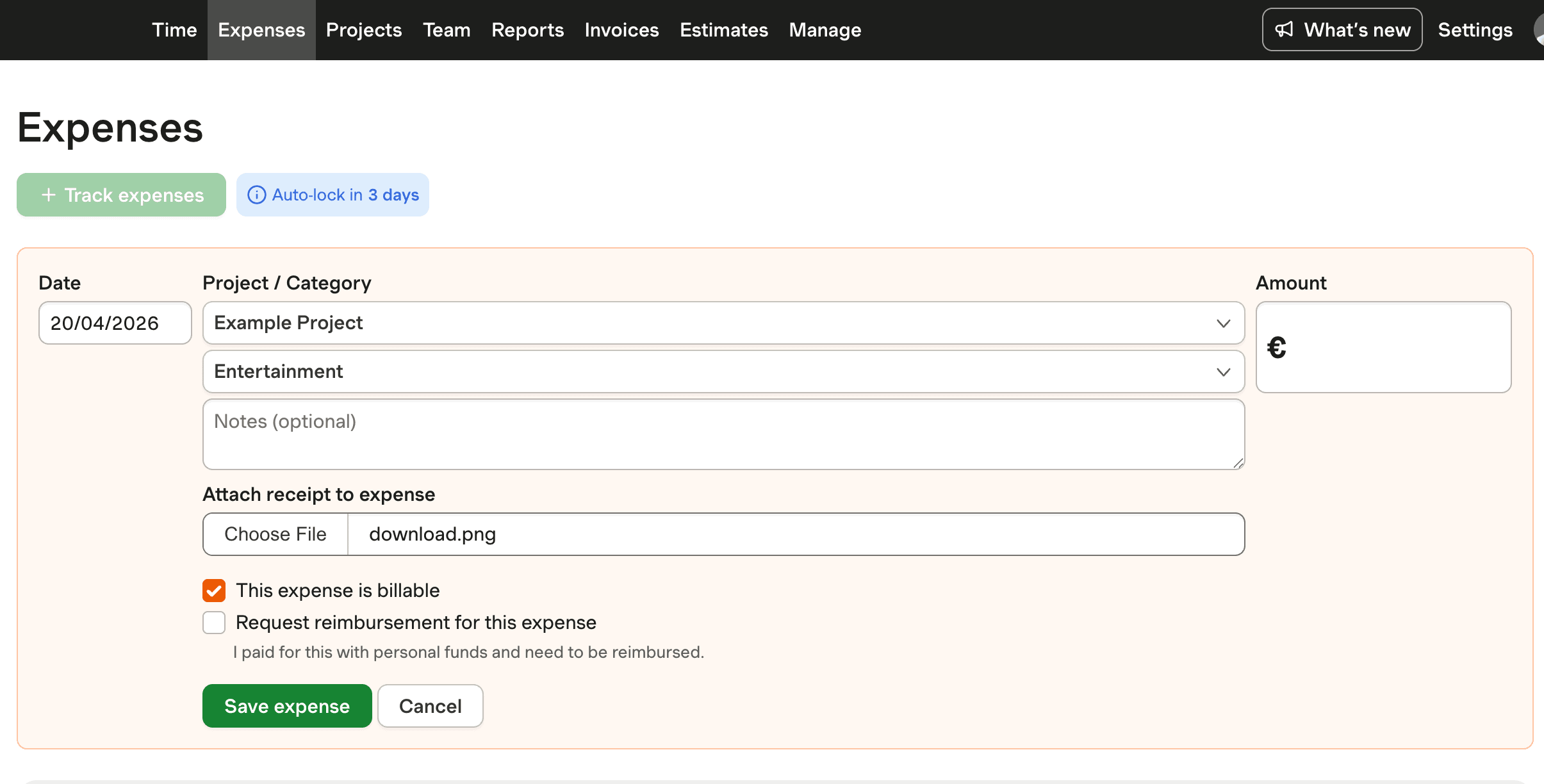
Harvest tracks and manages 2022 travel meal allowances efficiently, aiding in compliance and reducing expense report errors.

Harvest dashboard showing travel meal allowance tracking for 2022

Travel Meal Allowance 2022 FAQs

  • The 2022 federal travel meal allowance rates include a standard CONUS M&IE rate of $59 and a high-low M&IE rate of $74 for high-cost locations. These rates assist in managing travel expenses efficiently.

  • High-cost localities have a meal allowance rate of $74, while other locations have a rate of $64. This distinction allows for fair compensation based on travel costs associated with different regions.

  • For meal expense reimbursement, employees must substantiate the time, place, and business purpose of expenses. An accountable plan can simplify this process, making per diem payments non-taxable.

  • While the temporary 100-percent deduction for meals from restaurants was introduced during the COVID-19 period, basic meal allowance rates remained stable. These measures aimed to support businesses during economic disruptions.

  • Businesses can reduce errors in expense reports by implementing automated systems like Harvest for time tracking and expense management. This reduces manual entry errors, saving time and resources.

  • Yes, self-employed individuals can use the standard meal allowance to deduct 50% of their meals and incidental expenses without receipts, provided they maintain documentation of time, place, and business purpose.

  • Per diem rules simplify substantiation of expenses, reducing the need for detailed receipts and documentation, provided the expenses are within federal limits. This helps in maintaining tax compliance efficiently.