
Harvest
Expenses
Sign up

Daily Travel Allowance

Manage your daily travel allowances efficiently with Harvest by manually tracking and categorizing expenses, ensuring compliance and cost control.

  • Attach receipts to projects & tasks
  • Turn tracked expenses into client invoices
  • Free 30-day trial, no credit card needed

or drag & drop • Images and PDFs, max 10 MB

Understanding Daily Travel Allowance

A daily travel allowance, often referred to as "per diem," is a set amount of money given to employees to cover daily business travel expenses such as meals, lodging, and incidentals. The concept is widely used across industries including construction, healthcare, and consulting, to simplify expense management and ensure compliance with regulations. For instance, in the construction industry, per diem covers essential living costs for workers traveling for out-of-town jobs, often adhering to federal guidelines for tax-free status.

Globally, business travel spending reached $697 billion in 2021, emphasizing the importance of managing travel expenses efficiently. Companies generally allocate about 10% of their revenue to travel-related expenses. The effective use of a daily travel allowance can mitigate the financial impact of rising travel costs, which jumped 35% from 2024 to 2025, with U.S. domestic trips averaging $1,293. By setting a clear per diem policy, businesses can control these costs while keeping employees satisfied and compliant with tax regulations.
Calculating and Implementing Per Diem Rates

Calculating a daily travel allowance involves determining a fixed rate for meals, lodging, and incidental expenses based on location and duration of travel. In the U.S., many companies follow the General Services Administration (GSA) rates, which, for FY2026, set a standard daily rate of $178, including $110 for lodging and $68 for meals and incidentals (M&IE). It's crucial to apply these rates accurately to maintain compliance and avoid additional taxable income.

While Harvest does not automate per diem calculations, it effectively tracks and categorizes travel expenses manually. Users can input their expenses based on GSA or company-specific guidelines, ensuring that all travel costs are accounted for and linked to relevant projects. This manual entry system supports a transparent audit trail and helps businesses adhere to policy requirements, minimizing the risk of non-compliance and associated penalties.

Legal and Compliance Considerations

Adhering to legal regulations is critical when implementing a daily travel allowance. In the U.S., per diem payments can be non-taxable if they meet IRS accountable plan requirements, which include having a business connection, substantiating expenses, and returning excess funds. For example, employees must submit expense reports within 60 days and return any unspent advances within 120 days to avoid tax implications.

Per diem rates vary significantly by location, with high-cost areas like Los Angeles having higher rates than the standard. It's essential to stay updated with these rates, which are revised annually. Harvest provides a platform where users can manually input their travel expenses, helping businesses maintain compliance by ensuring that all necessary documentation and calculations are accurately recorded and accessible.

Streamlining Expense Management with Harvest

Effective expense management is crucial for businesses to handle the complexities of daily travel allowances. By adopting tools like Harvest, companies can simplify the tracking and reporting of travel expenses. Although Harvest does not automate per diem calculations, it offers a user-friendly interface for manually entering expenses, which can be categorized and analyzed for better financial oversight.

Harvest's tracking capabilities allow businesses to monitor spending patterns, identify areas of excess, and enforce travel policies more effectively. This is particularly important given the 24% increase in travel policy violations from 2020 to 2021. By using Harvest to maintain comprehensive records, businesses can reduce administrative burden and improve compliance, ultimately leading to more accurate budgeting and reduced audit risks.

Harvest for Daily Travel Allowance

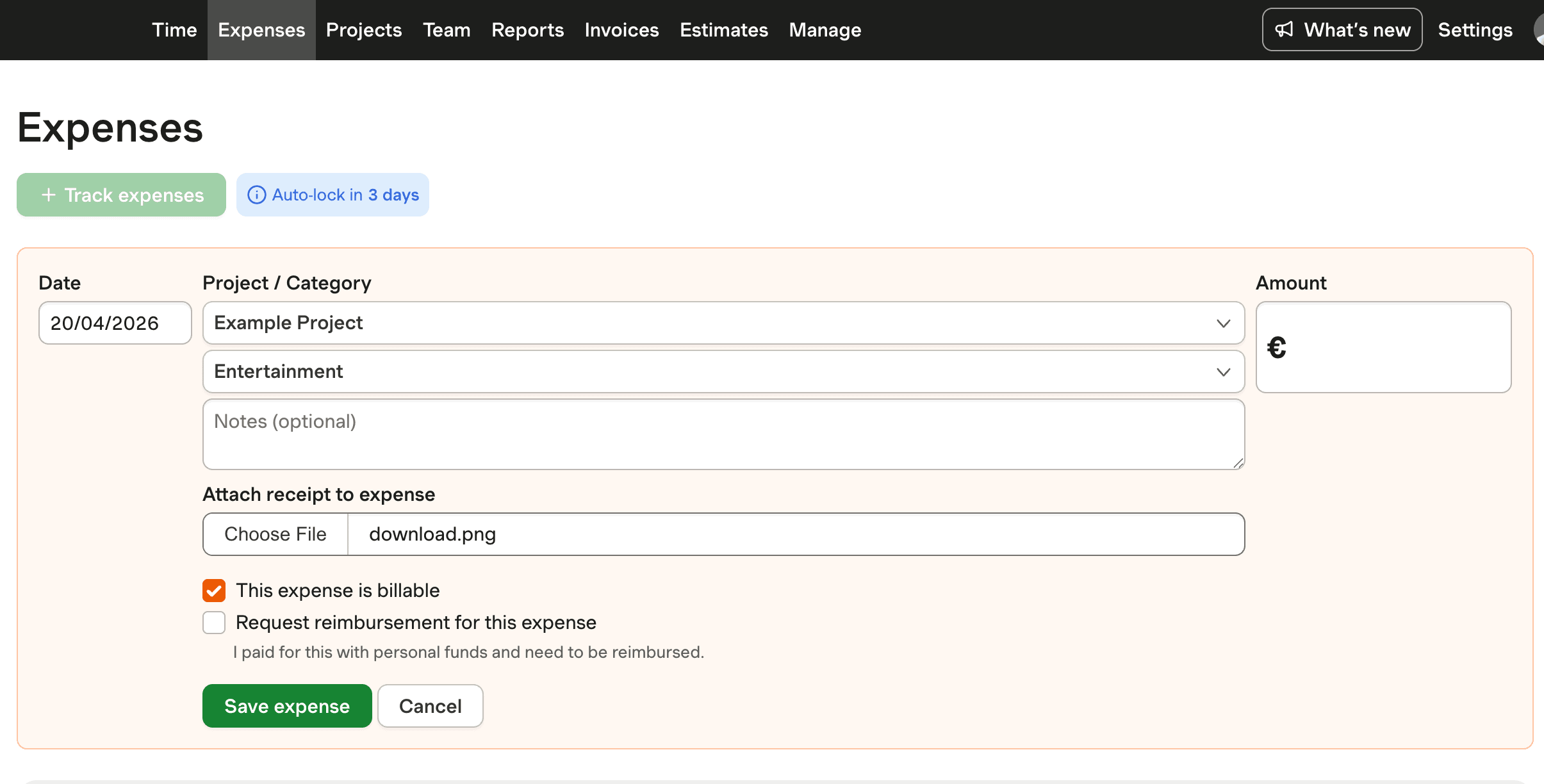
See how Harvest lets you track daily travel allowances manually, ensuring compliance and cost control.

Harvest dashboard showing daily travel allowance tracking.

Daily Travel Allowance FAQs

  • A daily travel allowance, or per diem, is a fixed amount provided to employees for daily expenses during business travel, covering costs like meals and lodging.

  • Daily travel allowances are calculated based on standard rates that cover meals, lodging, and incidentals. In the U.S., GSA rates are commonly used, with adjustments for high-cost areas.

  • Yes, regulations like the IRS accountable plan requirements in the U.S. determine how per diem payments can be non-taxable, requiring proper documentation and timely reports.

  • A daily travel allowance typically covers meals, lodging, and incidental expenses. It does not usually cover transportation, which is often reimbursed separately.

  • If per diem payments meet IRS requirements, they are non-taxable. Exceeding federal rates makes the excess taxable income, affecting deductions.

  • Harvest helps manage travel expenses by allowing users to manually track and categorize expenses, ensuring compliance with company policies.