
Harvest
Expenses
Sign up

Meal Reimbursement

Harvest simplifies the management of meal reimbursement by allowing businesses to manually track and categorize expenses efficiently, ensuring compliance and accuracy.

EXPENSE REPORT DRAFT

Drop your receipts here or click to upload

Images and PDFs (max 10 MB each)

Date
Category
Merchant
Description
Amount
Total
$0.00

Customise report

Appearance

Show report title

Report settings

Understanding Meal Reimbursement Rates and Guidelines

Meal reimbursement is a crucial aspect of business travel, impacting both employee satisfaction and compliance with financial regulations. As of 2025, the standard meal and incidental expense rate for the Continental United States (CONUS) is $68, up from $59 in previous years. This increase reflects the rising costs of dining due to inflation and the resurgence of business travel (44% of companies now set maximum daily rates). Understanding these rates is essential for both employers and employees to ensure proper documentation and compliance with IRS guidelines.

For businesses using meal reimbursement policies, it's critical to maintain compliance with IRS rules. Generally, meal allowances that adhere to GSA per diem rates are not taxable to employees. However, companies must document the date, location, and business purpose of meals. Failure to comply can result in tax penalties, making it vital for businesses to keep accurate records. Harvest aids in this process by allowing users to manually track and categorize meal expenses, ensuring all necessary information is neatly organized.
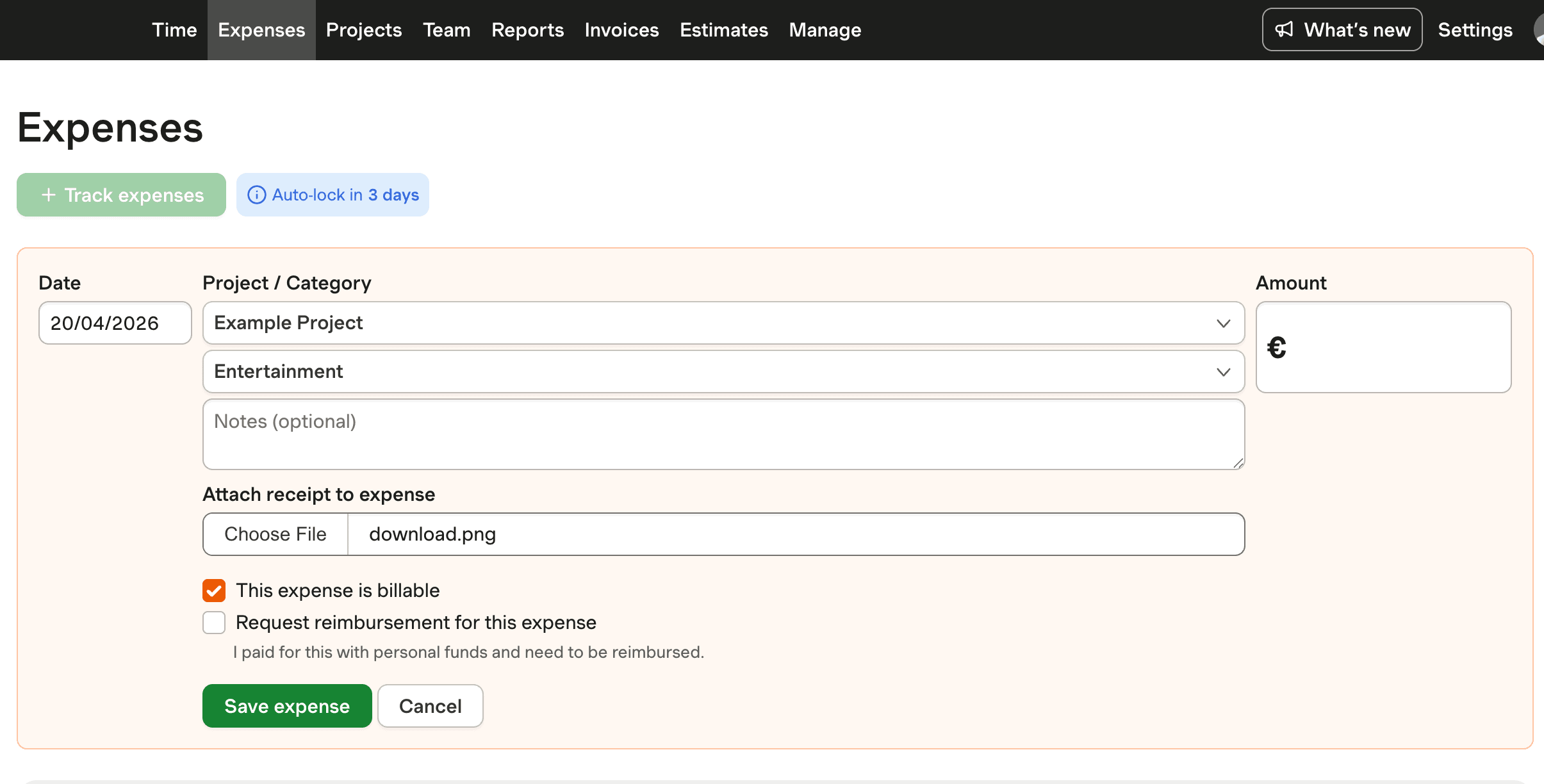
Streamlining Expense Tracking with Harvest

Harvest offers an efficient solution for managing meal expenses, especially in an era where business dining costs have increased by 23% since 2019, with meals averaging $55. Many companies are moving towards streamlined processes to handle these expenses, and Harvest excels by providing manual tracking and categorization features. This ensures that businesses can keep detailed records without cumbersome paperwork.

While Harvest does not automate per diem rates or IRS compliance, it allows users to upload receipts and categorize expenses accurately. This manual entry system is particularly beneficial as it supports flexibility in expense tracking, accommodating various business needs. Employees can easily document their meal expenses through Harvest, which simplifies the approval process and helps maintain compliance with company policies.

Best Practices for Meal Reimbursement Policies

Effective meal reimbursement policies are essential for ensuring compliance and employee satisfaction. Over 35% of organizations reimburse based on actual dining receipts, underscoring the importance of detailed documentation. A clear policy should outline reimbursable expenses, submission processes, and approval workflows, helping to prevent common issues such as the denial of grocery purchases exceeding daily limits.

Adopting per diem rates can significantly reduce administrative burdens. These rates simplify the reimbursement process by eliminating the need for detailed receipt tracking. Additionally, implementing technology like Harvest for expense tracking can greatly improve accuracy and speed in processing reimbursements. By manually entering expenses into Harvest, employees can ensure their submissions are complete and organized, aligning with company policies and IRS requirements.

Challenges and Solutions in Meal Reimbursement

Companies face numerous challenges when managing meal reimbursements, including inflation-driven cost increases and compliance with ever-changing regulations. The tech industry, for example, often provides specific meal stipends, such as $30 for dinner and transportation home if employees work late. These practices highlight the need for flexible and adaptable reimbursement systems.

Harvest helps overcome these challenges by offering a straightforward way to track and manage expenses. While it does not provide automated compliance features, Harvest allows for manual entry and categorization, facilitating accurate record-keeping. This approach ensures that both employees and employers can easily adapt to changes in reimbursement policies and rates, maintaining compliance and financial efficiency.

Simplify Meal Reimbursements with Harvest

Harvest helps businesses efficiently manage meal reimbursements through manual expense tracking and categorization. Ensure compliance and streamline your process.

Harvest expense management interface for meal reimbursement tracking

Meal Reimbursement FAQs

  • The standard rate for meals and incidental expenses in the Continental United States is $68 as of 2025, reflecting a rise from $59 in previous years. These rates are crucial for maintaining compliance and budgeting accurately during business travel.

  • To document meal expenses, retain receipts and record the date, location, cost, and business purpose of each meal. Using a tool like Harvest can help you manually track and categorize these expenses, ensuring you meet IRS documentation requirements.

  • According to IRS rules, meal allowances within GSA per diem rates are generally non-taxable, provided they are not lavish and have a valid business purpose. Proper documentation is essential to avoid tax penalties.

  • Yes, meal reimbursement rates can vary by location, particularly outside the Continental United States. It's important to check the appropriate per diem rates for specific areas to ensure compliance and proper budgeting.

  • Best practices include establishing clear policies, utilizing per diem rates to simplify processes, and adopting technology like Harvest for efficient expense tracking. These practices help maintain compliance and streamline administrative tasks.

  • Harvest allows businesses to manually track and categorize meal expenses, ensuring accurate record-keeping and compliance with company policies. While it doesn't automate per diem rates, it facilitates organized documentation.

  • A clear policy ensures that employees understand what expenses are reimbursable and the submission process. This clarity helps prevent misunderstandings and ensures compliance with company and regulatory guidelines.

  • Challenges include rising costs due to inflation, compliance with changing regulations, and the need for flexible reimbursement systems. Harvest helps by providing a straightforward way to track and manage these expenses manually.