
Harvest
Expenses
Sign up

Merchant Expense Report

Harvest simplifies merchant expense management by offering project-based categorization and receipt uploads, reducing manual entry costs by 30%.

EXPENSE REPORT DRAFT

Drop your receipts here or click to upload

Images and PDFs (max 10 MB each)

Date
Category
Merchant
Description
Amount
Total
$0.00

Customise report

Appearance

Show report title

Report settings

Understanding Merchant Expense Reports

Merchant expense reports are essential for organizations to track and manage their spending effectively. These reports document expenses incurred with different vendors, helping businesses maintain financial control and compliance. Manual expense reporting can be time-consuming, costing businesses approximately $58 per report, with errors occurring in about 19% of cases. Automation can significantly reduce these costs by 30% and decrease error rates by 65%.

Despite the traditional reliance on spreadsheets and paper-based methods, about 79% of enterprises have adopted digital expense tracking solutions. This shift is driven by the need for improved accuracy, faster reimbursements, and increased productivity. As the global expense management software market is projected to grow from USD 7.12 billion in 2023 to USD 16.69 billion by 2032, businesses are increasingly seeing the value in automating their expense management processes.
Key Components of a Merchant Expense Report

A well-structured merchant expense report typically includes specific fields such as date, merchant name, expense category, amount, and business purpose. While Harvest allows for project-based categorization and receipt uploads, it helps teams manage expenses alongside time tracking. It's important to ensure that all necessary information is accurately documented to avoid errors and compliance issues.

Errors can be costly, with an additional 18 minutes and $52 spent correcting each erroneous report. To mitigate this, businesses are encouraged to integrate automated solutions that capture receipts via mobile devices and categorize expenses automatically. These systems can also streamline approval workflows, cutting down approval times by 50% and ensuring reports comply with financial regulations.

Best Practices for Managing Merchant Expenses

Effective management of merchant expenses involves several best practices, including automation and real-time reporting. Automation can lead to a 28% reduction in processing costs per expense report and save companies up to 34% through streamlined operations. Harvest supports this by allowing project-based expense tracking and receipt uploads, simplifying financial management for teams.

Real-time reporting is a priority for 70% of finance teams, and 87% of CFOs are investing in automation to enhance accuracy and compliance. By leveraging automated systems, businesses can reduce manual data entry, identify duplicate expenses quickly, and provide managers with immediate insights into spending patterns. This proactive approach not only minimizes errors but also enhances policy compliance and visibility across the organization.

Integrating Technology with Expense Management

Integrating expense management systems with other business tools like ERP, HRM, and CRM systems is crucial for data consistency and operational efficiency. Harvest facilitates this by offering seamless expense tracking and project-based categorization, ensuring data remains consistent across platforms.

Modern expense management is increasingly utilizing AI and machine learning to automate tasks, detect fraud, and provide insights for cost control. By 2025, it's predicted that 75% of businesses will use mobile apps as their primary expense management tool. Harvest's mobile capabilities allow for efficient receipt uploads and real-time tracking, supporting teams in managing expenses effectively from anywhere.

Streamline Merchant Expenses with Harvest

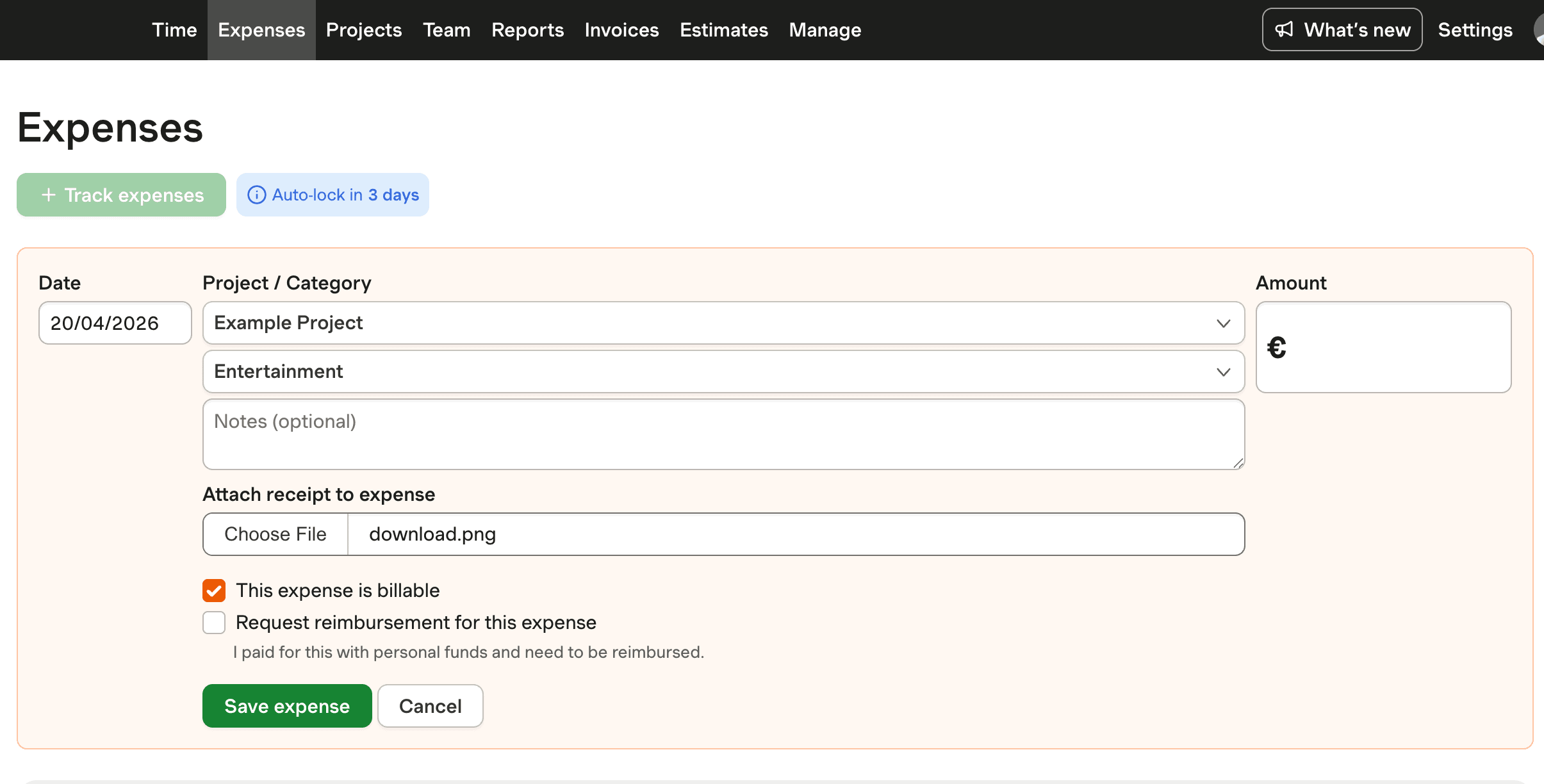
Explore how Harvest enables efficient merchant expense reporting with project categorization and receipt uploads, enhancing financial control.

Harvest interface showing merchant expense report tracking

Merchant Expense Report FAQs

  • A merchant expense report documents all expenses incurred with various merchants. It includes details like date, amount, and business purpose, helping organizations track financial activities and maintain compliance.

  • To create a merchant expense report, include key details such as the date of the transaction, merchant name, amount spent, expense category, and business purpose. Use tools like Harvest for project-based categorization and receipt uploads to streamline the process.

  • A comprehensive merchant expense report should include the date, merchant name, amount, expense category, and business purpose. These elements help ensure accuracy and compliance with financial regulations.

  • Automation reduces costs by 30% and decreases error rates by 65%. It automates receipt capture, categorizes expenses, and simplifies approval workflows, enhancing accuracy and compliance.

  • While Harvest allows for project-based categorization and receipt uploads, it doesn't specifically categorize by merchant. However, you can use custom categories to organize expenses effectively.

  • Mobile apps offer convenience, allowing for on-the-go receipt uploads and real-time tracking. By 2025, 75% of businesses are expected to use mobile apps as their primary expense management tool, improving efficiency and accuracy.

  • Harvest integrates expense approvals with timesheet approvals, streamlining the process. While it doesn't have a separate workflow for merchant-related expenses, it supports efficient review and approval processes.

  • Integration ensures data consistency, reduces manual data transfer, and provides a unified financial view. This speeds up financial reporting and improves decision-making, crucial for strategic expense management.