Sign up
Understanding Parking Reimbursement and Its Tax Implications
Parking reimbursement is a valuable benefit for employees, helping to offset the substantial costs associated with commuting. On average, Americans spend $8,466 annually on commute-related expenses, which comprises about 19% of their income. Understanding the tax implications of parking reimbursement is crucial for both employers and employees. As of 2024, the IRS allows up to $315 per month to be excluded from taxable income for qualified parking benefits, increasing to $340 in 2026. This provides a significant tax advantage for employees.
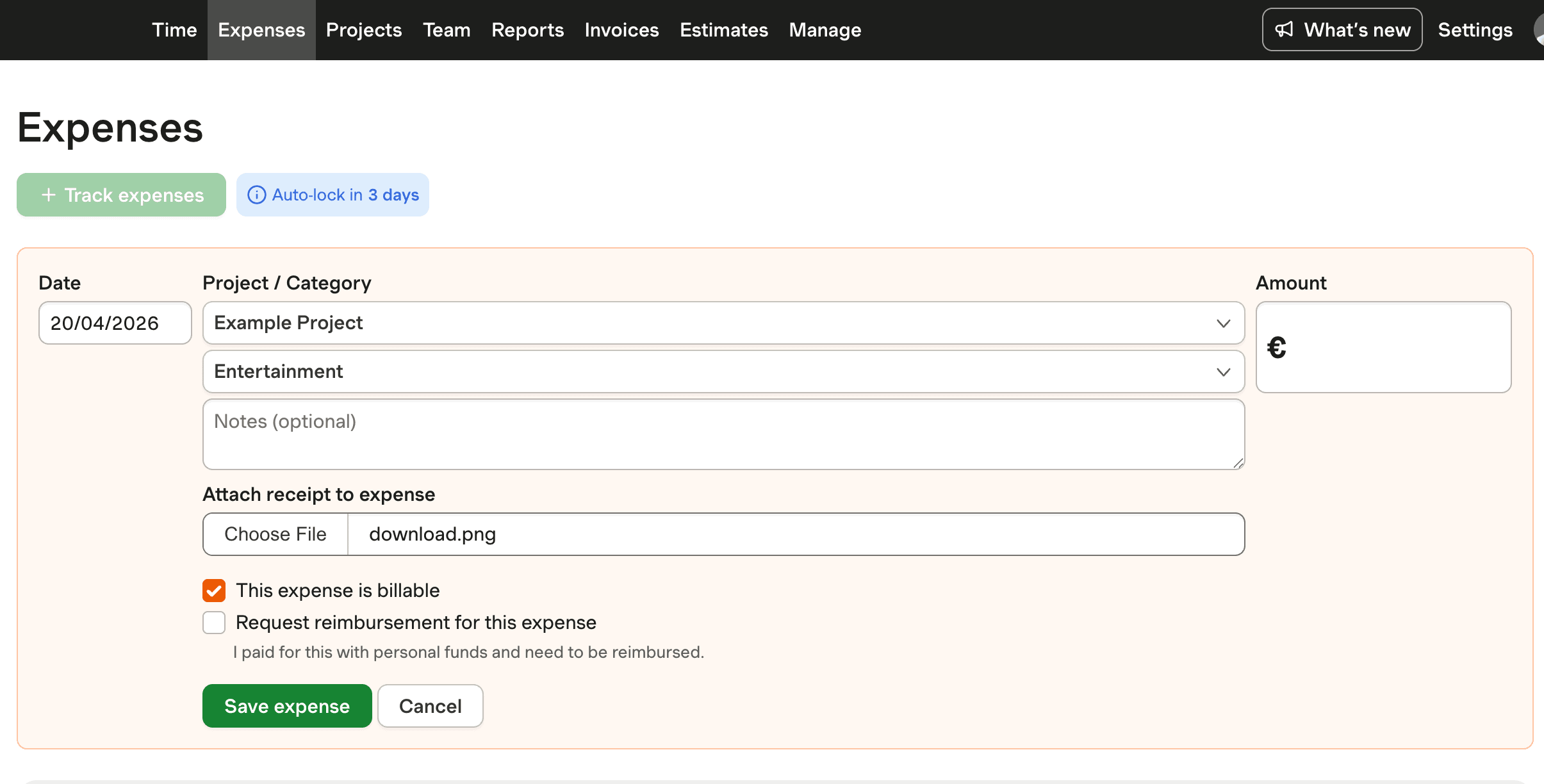
However, if reimbursements exceed these limits, the excess is subject to federal income tax withholding, FICA tax, and FUTA tax. It's important to maintain compliance with IRS regulations to avoid penalties. Although Harvest does not automate tax compliance, it facilitates parking reimbursement by allowing users to create custom expense categories and upload necessary documentation, such as receipts, to ensure accurate record-keeping.