
Harvest
Expenses
Sign up

Gas Stipend for Employees

As gas prices continue to rise, employers are turning to Harvest for efficient mileage tracking, simplifying the management of travel costs without the complexities of stipends.

  • Attach receipts to projects & tasks
  • Turn tracked expenses into client invoices
  • Free 30-day trial, no credit card needed

or drag & drop • Images and PDFs, max 10 MB

Understanding Gas Stipends for Employees

Gas stipends for employees are financial allowances provided by companies to offset commuting costs, particularly as gas prices soar. In recent years, the average cost of gas in the U.S. rose from $2.19 per gallon in 2020 to $3.59 in 2023, impacting employee budgets significantly. Many employees face financial pressures, with 67% worried about affording basic necessities like food and energy bills. Employers are considering gas stipends as part of their strategy to alleviate these burdens, offering financial relief while enhancing job satisfaction and retention.

Unlike traditional mileage reimbursements, gas stipends provide a fixed amount regardless of actual miles driven, simplifying the process for both employers and employees. This approach is particularly appealing as it avoids the pitfalls of manual mileage tracking, which can lead to an average over-reporting of 24% when gas prices peak. However, it's crucial to note that these stipends are generally taxable unless structured under a non-taxable accountable plan that requires specific documentation.
Comparing Gas Stipends and Mileage Reimbursements

When considering gas stipends for employees, it's essential to understand how they differ from mileage reimbursements. Mileage reimbursements are typically calculated based on actual miles driven for business purposes, using IRS standard rates which have increased to 70 cents per mile for 2025. This method aligns costs more closely with actual usage, but can be administratively burdensome and prone to inaccuracies, such as a 32% increase in over-reported mileage when gas prices are high.

Gas stipends, on the other hand, offer a straightforward alternative by providing a set amount to cover commuting costs, irrespective of distance traveled. While this method lacks the precision of mileage tracking, it simplifies administration and can be more predictable for budgeting. However, for businesses using Harvest, the platform allows for efficient mileage tracking, ensuring expenses are accurately captured and reported without the complexity of managing stipends.

Legal and Compliance Considerations for Gas Stipends

Implementing a gas stipend program requires careful consideration of legal and compliance factors. In the U.S., gas stipends are generally considered taxable income unless part of an accountable plan. Employers must ensure they meet IRS guidelines to avoid additional tax liabilities. For example, the 2025 IRS mileage rate is set at 70 cents per mile, which influences how reimbursements are calculated if switching from stipends to mileage tracking.

State-specific regulations can further complicate the landscape. For instance, California mandates reimbursement for business mileage, even if a car allowance is provided. Employers should consult with tax professionals to navigate these complexities and ensure compliance with both federal and state laws. While Harvest does not manage legal compliance, its robust mileage tracking capabilities can support businesses in maintaining accurate and compliant expense records.

Best Practices for Implementing Gas Stipends

To effectively implement gas stipends, businesses should first assess the impact of fuel costs on their workforce and financial health. Providing a stipend can be a straightforward solution, but it's important to set clear guidelines and ensure consistent application across the organization. Employers can opt for direct deposits or prepaid gas cards as delivery methods, with each option having its own tax implications.

Periodic reviews and adjustments to stipend amounts are necessary to keep pace with fluctuating gas prices and regional cost differences. Moreover, offering alternative commuting benefits, such as public transit subsidies or flexible work schedules, can enhance the overall effectiveness of your compensation strategy. While Harvest focuses on tracking expenses rather than stipends, its tools can streamline mileage capturing, offering a reliable alternative to manage commuting costs efficiently.

Manage Gas Stipends with Harvest

See how Harvest helps streamline mileage tracking, making travel cost management easier than ever for your business.

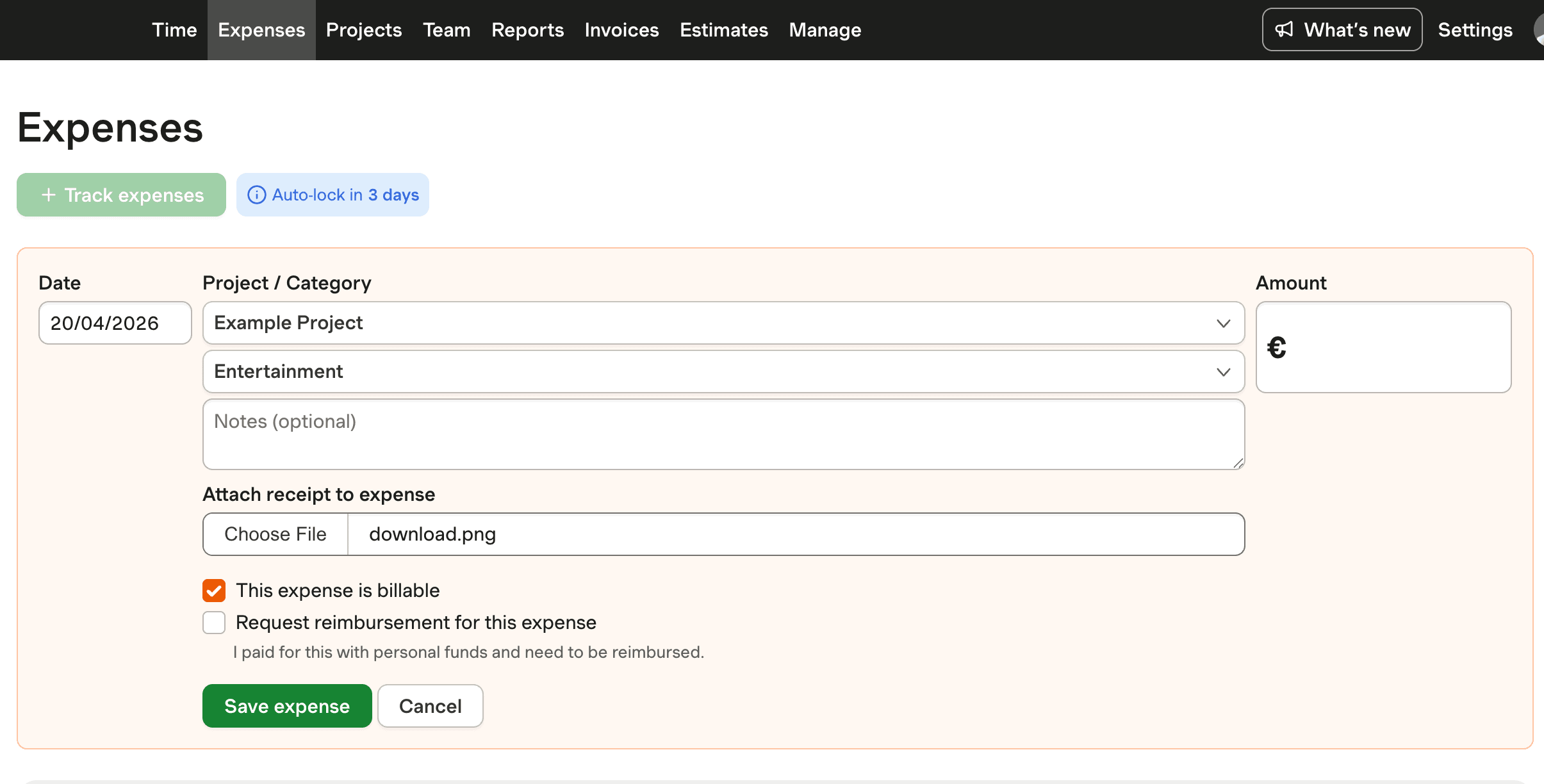
Harvest interface showing mileage tracking features for gas stipend management.

Gas Stipend for Employees FAQs

  • A gas stipend is a financial allowance given to employees to help cover their commuting costs, particularly as gas prices rise. It's a fixed amount and is generally considered taxable income unless part of an accountable plan.

  • Gas stipends provide a set amount regardless of miles driven, simplifying administration. In contrast, mileage reimbursement compensates employees based on actual miles driven, calculated using IRS rates, but requires accurate tracking.

  • Yes, gas stipends are usually considered taxable income unless they are part of a non-taxable accountable plan, which requires documentation proving the funds were used for business expenses.

  • Gas stipends can help reduce financial stress for employees, improve job satisfaction, and simplify expense management for employers, especially as commuting costs rise with higher gas prices.

  • Harvest offers efficient mileage tracking tools that simplify the management of travel expenses, providing accurate records without the complexity of managing stipends or reimbursements manually.

  • Employers must consider tax implications and state-specific laws when implementing gas stipends. Consultation with tax professionals is advisable to ensure compliance with regulations.

  • A mileage tracking system, like Harvest, provides precise expense management based on actual travel, which can be more equitable and tax-efficient compared to fixed stipends, especially if fuel costs fluctuate.