
Harvest
Expenses
Sign up

Telecom Expense

Harvest is perfect for small-to-medium businesses needing a project-based expense tracker, offering seamless time and expense management.

EXPENSE REPORT DRAFT

Drop your receipts here or click to upload

Images and PDFs (max 10 MB each)

Date
Category
Merchant
Description
Amount
Total
$0.00

Customise report

Appearance

Show report title

Report settings

Understanding Telecom Expense Management (TEM)

Telecom Expense Management (TEM) is a strategic discipline focused on optimizing the costs and efficiency associated with an organization's telecommunications services and assets. It encompasses traditional voice and data services as well as modern cloud, IoT, and mobile solutions. With the telecom expense management market projected to grow from USD 5.71 billion in 2025 to USD 20.81 billion by 2034, organizations are increasingly recognizing its value. The shift towards remote and hybrid work has further complicated telecom environments, making TEM essential for managing decentralized workforce expenses efficiently.

Effective TEM can lead to significant cost reductions, with many companies overspending on telecom services by approximately 30%. By implementing robust TEM strategies, organizations can potentially achieve savings of 10-30% on their telecom and connectivity costs. Moreover, TEM has evolved into Technology Expense Management (TxM), expanding its scope to include comprehensive IT infrastructure management. This evolution allows businesses to manage not just telecom expenses but also the broader IT ecosystem, optimizing both operational efficiency and cost management.
Key Challenges in Managing Telecom Expenses

Managing telecom expenses is fraught with challenges, including the prevalence of billing errors and complex cost structures. Gartner estimates that billing errors can account for 5-12% of telecom expenses, with some reports suggesting it could be as high as 14%. In fact, an internal survey found errors in 81% of telecom invoices, sometimes exceeding 20% of the bill. Such errors can significantly inflate costs, adding unnecessary financial burdens on organizations.

Additionally, many companies lack visibility into their telecom inventories, often paying for 10-20% more services than they actually use. This can lead to substantial overspending and inefficiencies. Regular invoice auditing and contract optimization are crucial to mitigating these challenges. By maintaining a single source of truth for telecom assets and conducting monthly invoice reviews, companies can catch billing discrepancies and optimize contract terms, achieving average savings of 15-30%.

Strategies for Reducing Telecom Expenses

Reducing telecom expenses requires a systematic approach involving multiple strategies. One effective method is to maintain an accurate inventory of telecom assets, which can reveal excess services and facilitate better cost control. Organizations often discover they are paying for significantly more services than needed during their first complete inventory assessment. This accurate inventory serves as a foundation for effective telecom expense management.

Another strategy is to engage in regular contract reviews and negotiations. Telecom contracts often have auto-renewal clauses that may lock businesses into less favorable terms if not managed proactively. By benchmarking pricing and negotiating better terms, companies can prevent unnecessary costs and ensure they are receiving the best possible rates. Additionally, assigning clear ownership and accountability for telecom management within the organization can prevent costs from spiraling out of control, ensuring that telecom expenses remain aligned with business objectives.

Harvest: Simplifying Project-Based Expense Tracking

While Harvest does not offer specialized telecom expense management features, it excels in tracking expenses and time for projects, making it ideal for small to medium-sized businesses. Harvest provides a streamlined approach to managing project-based expenses with a focus on simplicity and efficiency. Users can track time, record expenses, and generate invoices with ease, ensuring transparency and control over project finances.

For organizations seeking to manage expenses related to specific projects, Harvest offers a robust solution. It supports time tracking across various platforms, including web, macOS, Windows, iOS, and Android, and integrates seamlessly with other business tools, enhancing overall productivity. With a free 30-day trial available, businesses can explore Harvest's capabilities without any financial commitment, providing a risk-free opportunity to optimize their project expense management processes.

Telecom Expense Tracking with Harvest

Explore how Harvest helps manage project-based expenses efficiently, ideal for small businesses seeking streamlined solutions.

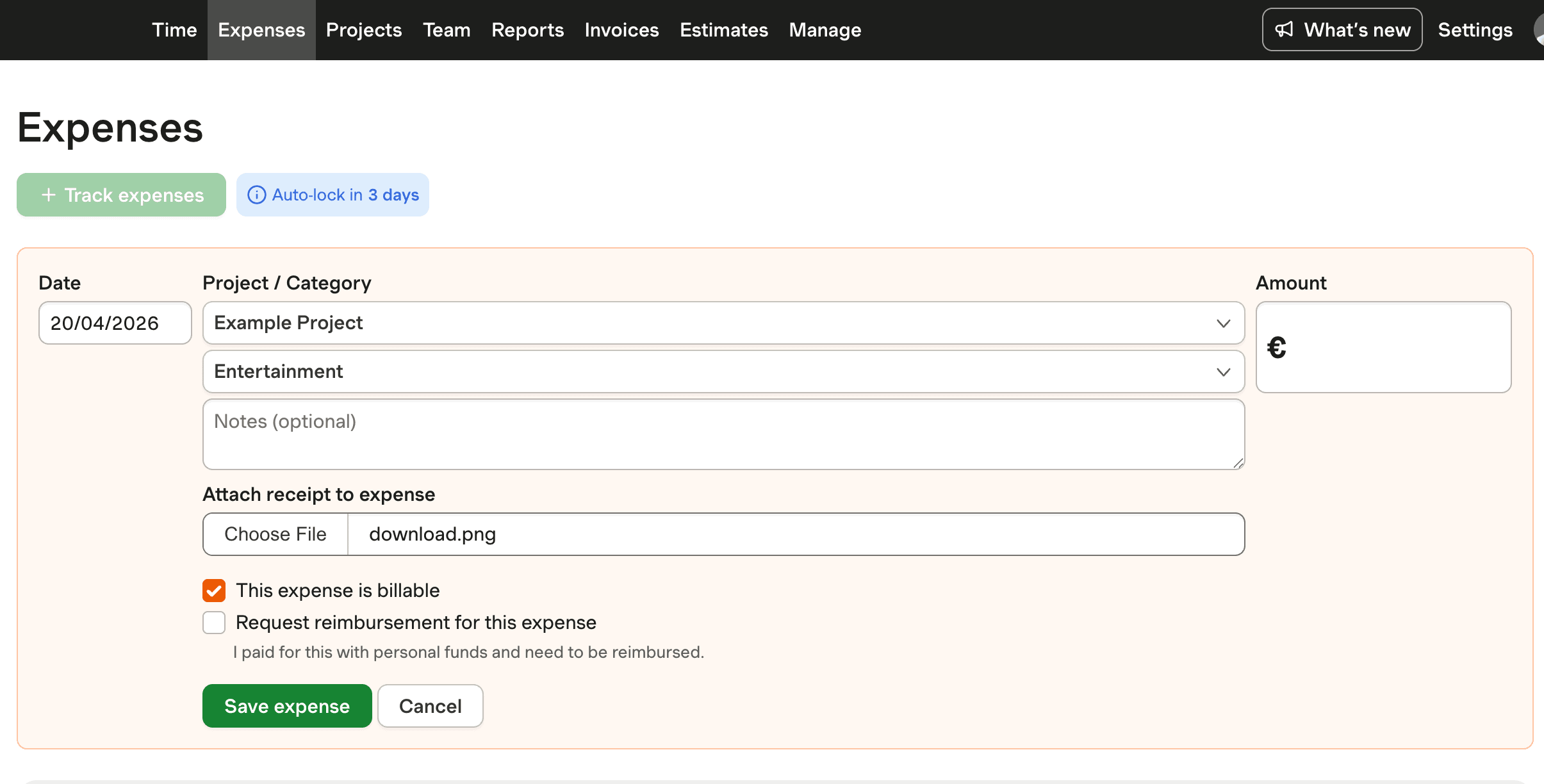
Harvest interface with project expense tracking features.

Telecom Expense FAQs

  • Telecom Expense Management (TEM) is a strategic approach to managing and optimizing the costs of an organization's telecommunications services and assets. It involves processes such as inventory management, contract negotiation, and billing audits to reduce costs and improve efficiency.

  • Reducing telecom expenses involves maintaining an accurate inventory, regularly auditing invoices, and negotiating contracts effectively. These steps can lead to significant savings, often ranging from 10-30% of total telecom costs.

  • Common billing errors in telecom expenses include incorrect charges, unapproved rate increases, and expired promotional rates. These errors can account for 5-12% of telecom expenses, with some estimates as high as 14%.

  • Harvest helps businesses track project-based expenses efficiently by offering tools for time tracking, expense recording, and invoicing. It is ideal for small to medium-sized businesses looking for a straightforward solution to manage project expenses.

  • When evaluating TEM solutions, look for features such as automated invoice processing, comprehensive inventory management, and robust contract negotiation tools. These features help optimize telecom costs and improve operational efficiency.

  • The telecom expense management market is projected to grow from USD 5.71 billion in 2025 to USD 20.81 billion by 2034, driven by technological advancements and the complexity of telecom services.