
Harvest
Expenses
Sign up

Technology Reimbursement

Harvest empowers businesses to effectively track technology reimbursements, ensuring seamless management of remote work expenses and enhancing productivity.

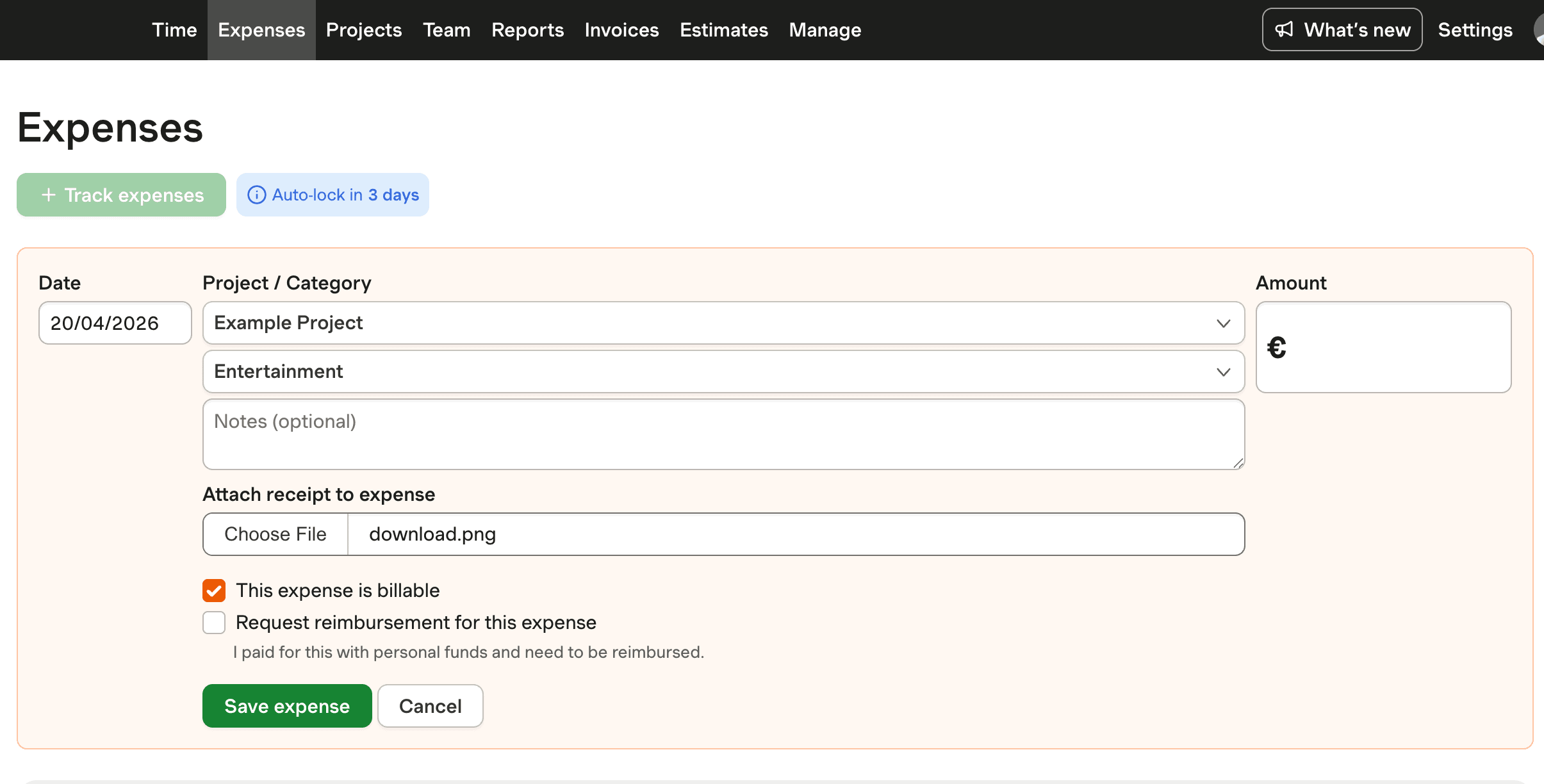
  • Attach receipts to projects & tasks
  • Turn tracked expenses into client invoices
  • Free 30-day trial, no credit card needed

or drag & drop • Images and PDFs, max 10 MB

Understanding Technology Reimbursement Policies

Technology reimbursement policies are essential for modern businesses, especially with the increasing trend towards remote work. These policies outline how companies compensate employees for technology-related expenses incurred while working remotely. With 98% of organizations now offering stipends for personal devices under BYOD policies, this aspect of employee support is crucial for maintaining productivity and compliance.

Organizations typically cover expenses such as internet bills, software subscriptions, and equipment costs through technology stipends. These stipends can be structured as monthly, quarterly, or annual payments, offering flexibility and reducing administrative burden compared to traditional reimbursement models. By providing a fixed sum, companies can streamline processes and focus on core business activities.
Legal Considerations for Technology Reimbursement

While there is no federal requirement in the U.S. for employers to reimburse remote work expenses, specific states like California and Massachusetts have mandates. These states require reimbursement for work-related use of personal devices, ensuring that employee wages do not fall below the minimum wage due to these expenses. For example, California mandates a reasonable percentage of the cell phone bill be reimbursed to prevent employers from offloading operational costs onto employees.

Employers must stay updated with state laws to ensure compliance with technology reimbursement policies. Additionally, in sectors like healthcare, regulations such as the HITECH Act and HIPAA influence reimbursement practices, particularly with digital health tools. Keeping abreast of these legal changes is vital for avoiding penalties and ensuring smooth operations.

The Impact of Technology Stipends on Employee Productivity

Providing technology stipends can significantly boost employee productivity and morale. Studies show that employees can lose up to 10 hours per week due to inadequate technology, which translates to substantial financial losses for businesses. By investing in up-to-date equipment and software, companies can reduce downtime and improve overall efficiency.

Experts suggest that technology stipends or loaning equipment can enhance company culture, especially as remote work becomes more prevalent. The percentage of employees working remotely has increased from 12% before the COVID-19 pandemic to 30% today, highlighting the importance of supporting remote work environments. Harvest, while not specifically offering technology stipends, enables businesses to track and manage such expenses effectively, ensuring that investments in technology are well-accounted for.

Automating Expense Management with Harvest

Manual expense management can be time-consuming and prone to errors. Companies lose up to 5% of revenue annually due to expense fraud and policy violations. Automation is a game-changer, with businesses seeing a 60% reduction in processing time and a 35% cost reduction when adopting automated expense management systems.

Harvest offers a project-based expense tracking solution that helps businesses streamline their expense management processes. By categorizing expenses and tracking them in real-time, Harvest reduces administrative burdens and enhances accuracy. This ensures that employee technology expenses are managed efficiently, allowing businesses to focus on growth and innovation.

Creating a Robust Technology Reimbursement Policy

Crafting an effective technology reimbursement policy requires clear guidelines and a thorough understanding of both company goals and employee needs. While Harvest doesn't specifically provide tools for policy structuring, it supports tracking expenses by category, which is integral to policy implementation.

Key elements of a successful policy include defining covered expenses, reimbursement procedures, and compliance with legal requirements. By integrating these elements into a comprehensive policy, companies can ensure fair and consistent support for remote workers. Understanding the nuances of technology reimbursement can lead to better financial management and increased employee satisfaction.

Explore Technology Reimbursement with Harvest

See how Harvest tracks technology expenses for remote work, helping businesses manage reimbursements efficiently.

Harvest dashboard showing technology reimbursement tracking.

Technology Reimbursement FAQs

  • A technology reimbursement policy outlines how a company compensates employees for expenses related to technology used for work purposes. This can include costs for internet, software, and equipment. Such policies are crucial for supporting remote work and maintaining compliance with legal standards.

  • Companies often provide technology stipends as fixed amounts paid monthly, quarterly, or annually. This approach simplifies administration compared to traditional reimbursements and offers flexibility in covering various tech-related expenses.

  • The tax implications of technology stipends can vary based on jurisdiction and specific circumstances. Generally, stipends are taxable unless they meet certain criteria for exclusion, such as being strictly for business use. Consulting with a tax professional is recommended.

  • Technology reimbursement typically covers expenses like internet bills, software subscriptions, and hardware costs, such as laptops and mobile phones. The specific items covered can vary depending on company policy and the nature of the work.

  • Legal requirements, such as state labor laws, can significantly impact technology reimbursement policies. For example, some states mandate reimbursement for work-related use of personal devices. Companies must ensure their policies comply with relevant laws to avoid penalties.

  • Harvest provides a project-based expense tracking platform, allowing businesses to categorize and manage expenses efficiently. While it doesn't define technology reimbursement policies, it supports tracking expenses by category, aiding in financial management.

  • Automating expense management can reduce processing time by 60% and cut costs by 35%. It helps prevent fraud and compliance issues, ensuring accurate and efficient handling of technology-related expenses.