
Harvest
Expenses
Sign up

Car Allowance and Mileage Reimbursement

Harvest simplifies mileage tracking for teams, offering an easy way to manage mileage expenses and reduce administrative burdens.

EXPENSE REPORT DRAFT

Drop your receipts here or click to upload

Images and PDFs (max 10 MB each)

Date
Category
Merchant
Description
Amount
Total
$0.00

Customise report

Appearance

Show report title

Report settings

Understanding Car Allowance vs. Mileage Reimbursement

Car allowances and mileage reimbursements are two common methods for compensating employees who use personal vehicles for work purposes. Car allowances are fixed amounts provided to employees, typically on a monthly basis, to cover vehicle-related expenses. However, they are fully taxable, which can lead to significant tax waste. For instance, a $600 monthly car allowance can result in approximately $226 of tax waste, reducing the employee's take-home to about $420.

On the other hand, mileage reimbursements compensate employees based on actual miles driven for business purposes, usually at a rate set by the IRS or CRA. This method is generally more tax-efficient, as reimbursements are non-taxable if they do not exceed the standard rate. For 2026, the IRS business use rate is set at 72.5 cents per mile, while Canada's CRA rate is 72 cents per kilometer. These rates ensure that employees are fairly compensated without the tax burden associated with car allowances.
Tax Implications and Compliance Considerations

When choosing between car allowances and mileage reimbursements, understanding the tax implications is crucial. Car allowances are treated as taxable income, similar to wages, and are subject to income and FICA taxes. In contrast, mileage reimbursements are non-taxable if they adhere to IRS guidelines and proper records are maintained. This makes mileage reimbursement a more tax-efficient choice for both employers and employees.

Compliance is another critical factor. While federal laws do not mandate reimbursement, states like California and Massachusetts require full reimbursement of business expenses. Non-compliance can lead to legal consequences, making it important for employers to maintain accurate and detailed mileage logs. Harvest can simplify this aspect by allowing teams to track mileage expenses with a set rate, streamlining administrative tasks and reducing the risk of non-compliance.

Practical Benefits of Automated Mileage Tracking

Automated mileage tracking is becoming increasingly popular, with 95.6% of drivers in the retail sector using such systems. This shift towards digital solutions helps companies save significant time and resources, eliminating the errors and delays associated with manual tracking. For example, businesses can save over 4,000 hours annually by adopting automated tracking solutions across just 100 employees.

Harvest offers a streamlined way to manage mileage logs, allowing for easy entry and calculation of mileage expenses. By simplifying the tracking process, Harvest reduces administrative burdens and ensures that records are accurate and compliant with IRS standards. This not only prevents over-reimbursement but also enhances employee satisfaction by ensuring timely and accurate reimbursements.

Adapting to Changing Cost Structures

Companies must regularly review and adjust their reimbursement rates to reflect changing costs, such as fuel prices and regional economic conditions. The IRS and CRA have both increased their mileage rates in response to rising vehicle costs, emphasizing the importance of keeping reimbursement practices up-to-date.

While Harvest does not set reimbursement rates or manage tax implications, it facilitates the tracking of mileage expenses at set rates, allowing companies to seamlessly integrate this data into their financial processes. This integration supports businesses in maintaining equitable reimbursement practices, which can boost employee morale and retention.

Car Allowance and Mileage Reimbursement with Harvest

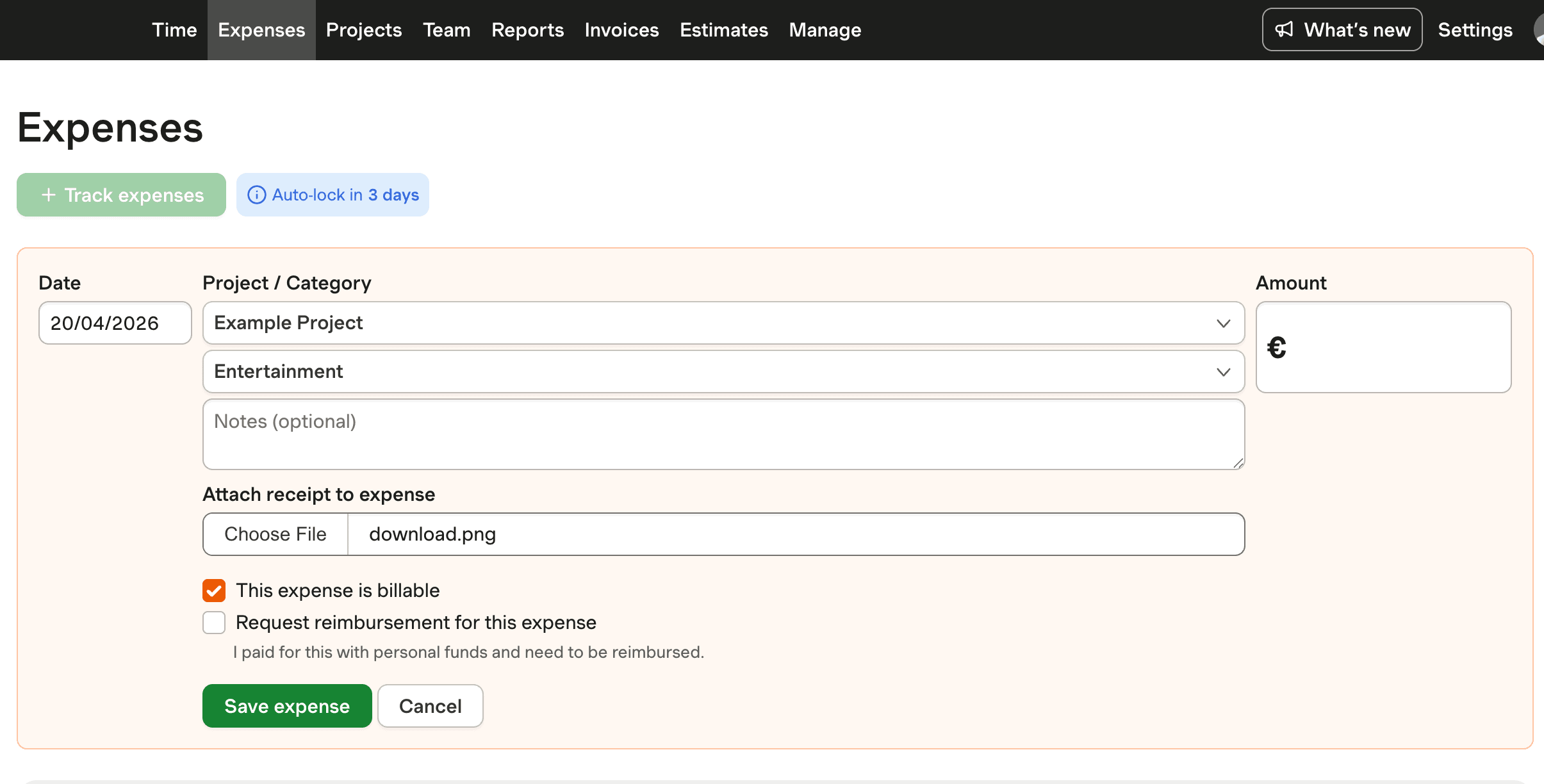
See how Harvest simplifies mileage tracking, reducing time spent on administrative tasks and ensuring accurate expense management.

Harvest dashboard showing mileage tracking features.

Car Allowance and Mileage Reimbursement FAQs

  • Mileage reimbursement is generally more tax-efficient as it compensates employees based on actual business miles driven, unlike taxable car allowances. This method ensures fair compensation and avoids significant tax waste.

  • Harvest allows teams to track mileage expenses efficiently, reducing administrative burdens and ensuring accurate record-keeping. This helps businesses comply with IRS standards and streamline expense management.

  • Car allowances are considered taxable income by the IRS and are subject to income and FICA taxes. This can result in significant tax waste, as a portion of the allowance is lost to taxes.

  • Some states, like California and Massachusetts, require full reimbursement of business expenses. Employers must ensure compliance with state laws to avoid legal issues and potential penalties.

  • The IRS has set the business use mileage rate at 72.5 cents per mile for 2026. This rate is used to determine non-taxable reimbursement amounts for business travel.

  • Companies should automate mileage tracking to eliminate manual errors and adopt variable rate models like FAVR to reflect true costs. Regularly reviewing rates ensures compliance with current economic conditions.

  • Automated tracking saves time, reduces errors, and ensures compliance with IRS record-keeping requirements. It can significantly enhance administrative efficiency and employee satisfaction.