
Harvest
Expenses
Sign up

Using Excel to Track Expenses

Many businesses waste hours on manual expense tracking in Excel. Harvest offers customizable categories and easy data export, enhancing efficiency.

  • Attach receipts to projects & tasks
  • Turn tracked expenses into client invoices
  • Free 30-day trial, no credit card needed

or drag & drop • Images and PDFs, max 10 MB

The Limitations of Using Excel to Track Expenses

While Excel remains a popular tool for tracking expenses, its limitations can pose significant challenges for businesses. In 2018, 69% of smaller US companies relied on manual spreadsheets, a practice mirrored in the UK with 71% usage. However, these manual methods can be time-consuming and prone to errors. A single expense report can take about 20 minutes to complete, with an additional 18 minutes often needed for corrections, leading to approximately 400 work hours annually for a company with 100 employees submitting 10 reports each month. Moreover, companies risk up to 5% of their annual revenue due to expense fraud and policy violations linked to manual processes.

The inefficiency of Excel for expense tracking has driven a shift towards more automated, mobile solutions. By 2025, it is expected that 75% of businesses will primarily use mobile expense management apps, indicating a strong trend away from spreadsheets.
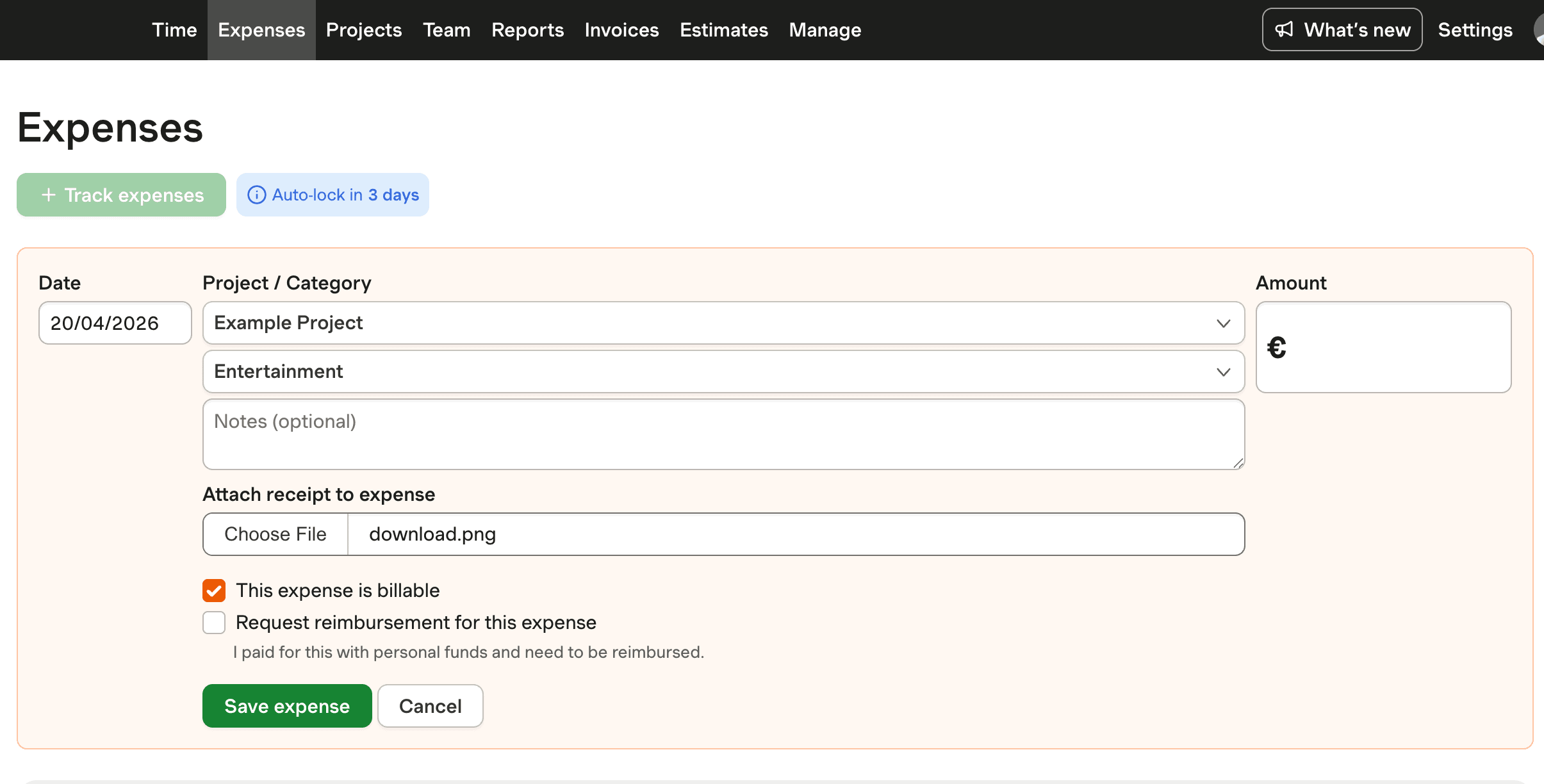
Customizable Expense Tracking with Harvest

Harvest offers a more efficient solution by allowing businesses to track expenses with customizable categories directly within the platform. This feature enables tailored tracking for different types of expenses without the manual entry and potential errors associated with Excel. For example, a company can set up expense categories specific to travel, meals, or office supplies, streamlining the tracking process and reducing time spent on data entry and correction.

Unlike Excel, which requires manual setup of formulas and categories, Harvest simplifies expense management by automatically categorizing expenses. This not only saves time but also reduces the risk of error, enhancing productivity. With Harvest, businesses can spend less time managing spreadsheets and more time focusing on strategic tasks.

Exporting Expense Data from Harvest to Excel

Although Harvest excels in streamlined expense management, it also offers the flexibility of exporting data to Excel for further analysis. This capability is particularly beneficial for businesses that still prefer using Excel for detailed data manipulation or creating visual charts. However, it is important to note that while Harvest allows for data exportation, the creation of visual charts or use of Excel formulas must still be done manually within Excel.

For businesses transitioning towards more automated solutions, this export feature provides a bridge between traditional spreadsheet methods and modern expense management practices. By exporting data from Harvest, businesses can leverage Excel's analytical capabilities without being bogged down by the inefficiencies of manual data entry.

The Future of Expense Management Beyond Excel

As businesses continue to evolve towards digital solutions, the reliance on Excel for expense tracking is expected to decline. By 2025, projections indicate that 90% of businesses will have fully transitioned to digital expense management, eliminating paper-based processes entirely. This shift is driven by the significant time and cost savings associated with automated systems. Companies that have transitioned from spreadsheets report a 60% reduction in processing time and a 35% decrease in costs.

Harvest positions itself as a part of this future by providing a robust platform for customizable expense tracking, while still offering the flexibility of data export to Excel. This dual capability ensures that businesses can enjoy the benefits of both digital automation and traditional spreadsheet analysis, paving the way for more efficient and accurate expense management.

Streamline Expense Tracking with Harvest

See how Harvest provides customizable expense categories and easy export to Excel, making financial management more efficient.

Harvest expense tracking interface with Excel export feature

Using Excel to Track Expenses FAQs

  • Using Excel for expense tracking can be time-consuming and prone to errors. Typically, an expense report takes about 20 minutes to complete, with an additional 18 minutes for corrections. Moreover, businesses risk losing up to 5% of their revenue due to errors and fraud associated with manual processes.

  • To create an expense tracker in Excel, set up columns for date, category, amount, and description. Use Excel formulas to calculate totals, and apply conditional formatting to highlight overspending. However, this manual setup can be labor-intensive and error-prone compared to automated solutions like Harvest.

  • Businesses are moving beyond Excel due to the inefficiencies and risks of manual data entry. Automated solutions like Harvest improve accuracy, reduce processing time by 60%, and decrease costs by 35%. By 2025, 90% of businesses are expected to use digital expense management solutions.

  • Yes, Harvest allows for easy export of expense data to Excel. This feature is useful for businesses that prefer detailed analysis or creating visual charts in Excel, providing flexibility while maintaining the benefits of automated tracking.

  • Customizable expense categories in Harvest allow businesses to tailor their expense tracking to specific needs, such as travel, meals, or office supplies. This feature reduces manual entry and errors, streamlining the management process.

  • Harvest improves efficiency by automating expense tracking with customizable categories, reducing the time spent on manual data entry and correction. This leads to a 60% reduction in processing time and a 35% decrease in costs.

  • The shift towards mobile and automated expense management solutions is driven by time and cost savings. By 2025, 75% of businesses are projected to use mobile apps, moving away from spreadsheet-based tracking due to inefficiencies and risks.