Harvest
Invoices
Sign up

Invoice Software for Iran

Harvest offers flexible invoicing and multi-currency support, making it a versatile choice for businesses operating internationally, including in Iran.

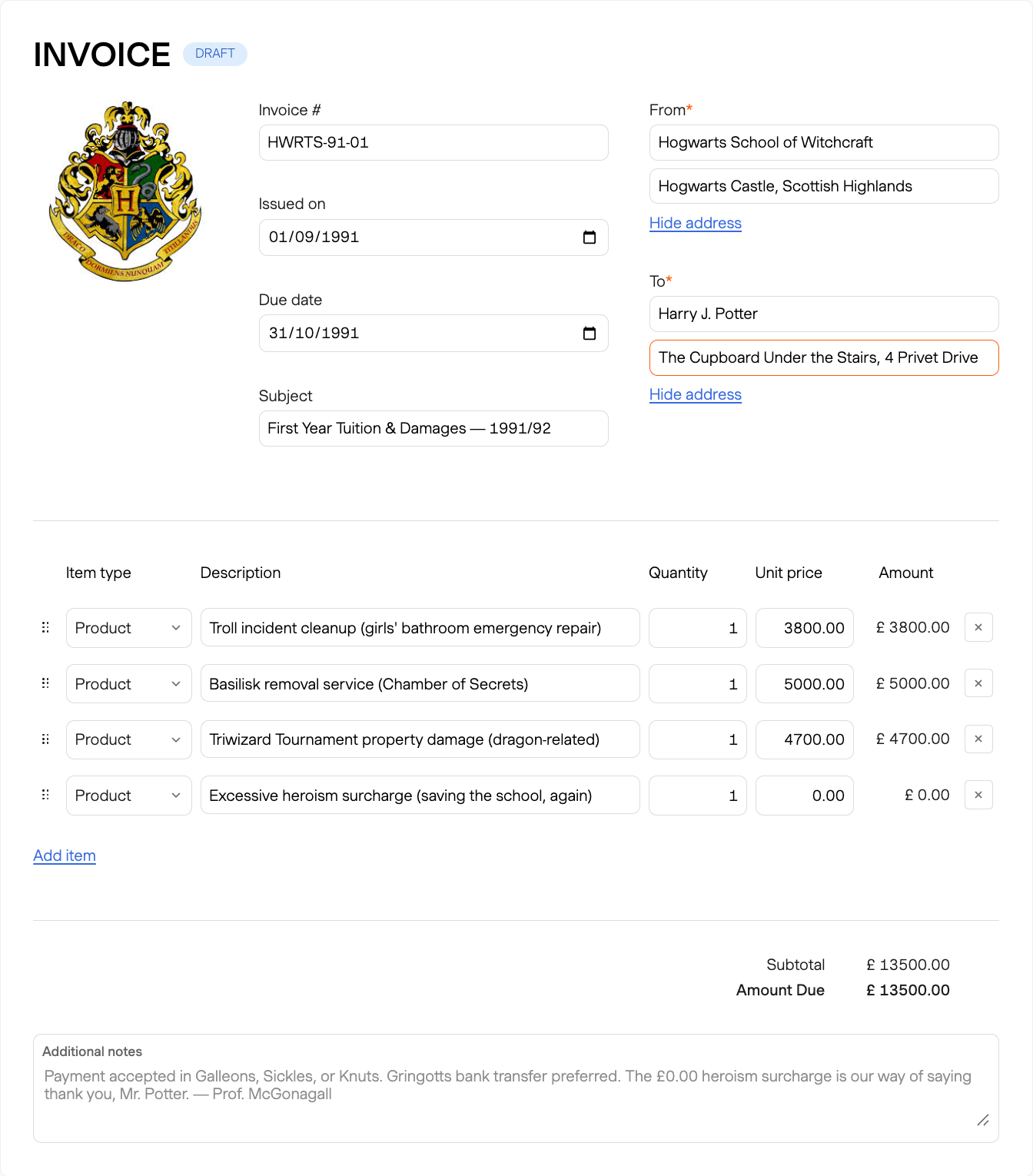
INVOICE DRAFT

Add your logo here
Item type
Description
Quantity
Unit price
Tax
Amount
Subtotal
$0.00
Discount
$0.00
Amount Due
$0.00
Get paid via:
Credit card / Debit card
ACH
Wire transfer

Customise invoice

Appearance

Add a logo
Show invoice title

Invoice settings

Tax Add up to 2 tax rates
%
Discount Apply a discount percentage
%

Key Features for Invoicing Software in Iran

Choosing invoicing software for Iran requires prioritizing features that ensure compliance and seamless local operations. Essential software should support Iranian tax regulations, including the standard 9% Value Added Tax (VAT) and specific filing requirements, which are generally monthly submissions due within 15 days of the month-end for businesses exceeding certain revenue thresholds. The software must also facilitate local payment methods, such as the Shetab national electronic payment system, domestic debit cards, and local payment gateways like ZarinPal, which are widely used for online transactions. Furthermore, customizable invoicing options are crucial, allowing for professional, brandable templates that can include custom fields and bilingual labels (Farsi and English) to cater to local business practices.
Selection Criteria for Choosing Invoicing Software

When selecting invoicing software, businesses should prioritize solutions that offer robust integration with local accounting practices. This includes compatibility with Iranian accounting standards (Iran GAAP), which, while based on international standards, have specific local adaptations. Look for software that can seamlessly connect with existing Enterprise Resource Planning (ERP) or accounting systems prevalent in Iran, many of which are homegrown solutions tailored to the local market. Usability and support for local payment methods are paramount; the interface should ideally support the Farsi language, and it must integrate with local payment gateways like Shetab and ZarinPal for efficient transaction processing. Finally, cost-effectiveness and scalability are vital. The software should offer clear pricing models and the ability to expand its capacity for users, data volume, and functionalities as your business grows, avoiding costly overhauls.

Avoiding Common Pitfalls in Invoicing Software

Businesses often encounter challenges when implementing new invoicing software, particularly in a unique market like Iran. A common pitfall is overlooking compliance requirements, which can lead to significant penalties. Ensure the chosen software is regularly updated to reflect changes in Iranian tax laws, such as the mandatory e-filing through the Iran Tax Automation System (ITAS) and any shifts in VAT applicability. Another mistake is ignoring integration capabilities with existing local accounting systems. Without proper integration, businesses risk manual data entry, increased errors, and inefficient workflows. Prioritize solutions that offer proven compatibility or customization options for Iranian accounting software. Lastly, underestimating support needs can hinder smooth operations. Opt for providers offering accessible local technical support, ideally in Farsi, to address issues promptly and effectively, minimizing downtime and ensuring continuous business functionality.

See Your Iranian Invoice Template in Action

Preview how your invoice will look with local payment gateways and bilingual fields, ready to comply with Iranian regulations.

Invoice Software for Iran FAQs

  • Harvest supports multiple currencies by allowing you to set a default currency for your account and a preferred currency for each client, though it requires manual currency conversions. This flexibility helps manage transactions with local payment methods.

  • Harvest allows you to customize invoices with company information, logos, and default values, making it adaptable to various regional business requirements. This ensures that invoices can reflect local business practices and legal compliance.

  • Harvest offers various support options, including a comprehensive help center with articles and guides, email support, and live chat assistance during business hours. Users can access resources tailored to their questions and issues.
  • Iranian tax regulations require businesses to adhere to the standard 9% Value Added Tax (VAT) and mandate monthly tax submissions for certain revenue thresholds. It's crucial for software to be updated to accommodate any changes in these regulations to avoid penalties.

  • Invoicing software may struggle with frequent updates to Iranian tax laws and integration with local accounting systems. Additionally, language compatibility and local payment processing can be limiting factors if not adequately supported.