Harvest
Invoices
Sign up

Receipt Template

Harvest provides essential tools for managing receipts, ensuring your financial records are accurate and accessible.

INVOICE DRAFT

Add your logo here
Item type
Description
Quantity
Unit price
Tax
Amount
Subtotal
$0.00
Discount
$0.00
Amount Due
$0.00
Get paid via:
Credit card / Debit card
ACH
Wire transfer

Customise invoice

Appearance

Add a logo
Show invoice title

Invoice settings

Tax Add up to 2 tax rates
%
Discount Apply a discount percentage
%

Explore Free Receipt Templates

Finding the right free receipt template involves understanding the common types and formats available to suit various transaction needs. The most versatile free receipt templates are typically found within popular office software template galleries or on reputable business resource websites. These resources often provide a range of options, including general sales receipts, service receipts, and simple payment acknowledgments. You'll primarily encounter templates in two key formats:

  • Editable Document Files: Often available in word processing software formats, these allow for easy modification of text, fields, and branding elements. They are ideal for ongoing use where details change frequently.
  • Printable PDF Files: These are excellent for quick, standardized use, especially when a consistent layout is paramount. While less editable without specialized software, they ensure uniformity.

Consider templates that offer a clean layout and clear sections for essential information, making them adaptable for diverse business or personal transactions.
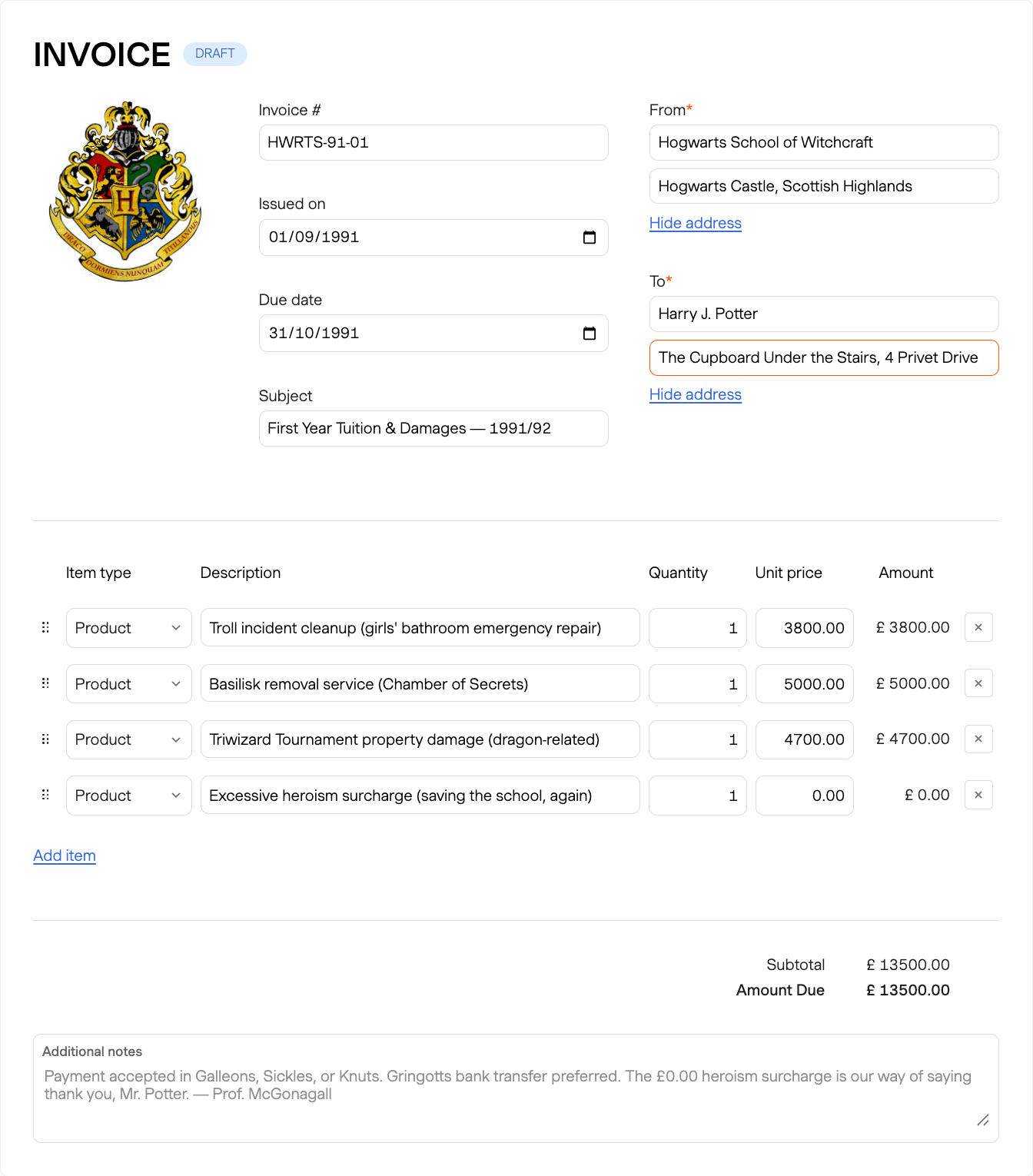
Customizing Your Receipt Template

To ensure your receipt template effectively meets specific personal or business requirements, practical customization is essential. Tailoring a template involves adjusting its layout and content to accurately reflect the transaction and your brand. Common fields to include in a receipt are:

  1. Date and Time: Crucial for accurate record-keeping.
  2. Business/Seller Information: Name, address, and contact details.
  3. Buyer/Customer Information: Name (optional, but often helpful).
  4. Itemized List of Goods/Services: Description, quantity, unit price, and subtotal for each.
  5. Total Amount Due: Clearly stated, including any taxes or discounts.
  6. Payment Method: How the transaction was completed (e.g., cash, card).
  7. Transaction/Receipt Number: A unique identifier for tracking.

Tips for personalizing templates include adding a small logo or business name at the top, adjusting font styles for readability, and removing any unnecessary placeholder text to maintain a professional appearance. Focus on clarity and completeness.

Avoiding Common Pitfalls in Receipt Creation

Ensuring accuracy and compliance is paramount when creating receipts to avoid potential legal and financial issues. One of the most common mistakes is failing to include all legally required information, which can vary by jurisdiction and industry. For instance, many regions require receipts to clearly state any applicable sales tax or value-added tax (VAT) as a separate line item. To ensure accuracy and compliance:

  1. Verify All Figures: Double-check calculations for item totals, subtotals, taxes, and the grand total. A small mathematical error can lead to significant discrepancies over time.
  2. Maintain Clear Descriptions: Ensure itemized lists are specific enough for both parties to understand what was purchased or serviced. Vague descriptions can cause confusion.
  3. Adhere to Record-Keeping Standards: Understand the duration for which receipts must be retained for tax purposes, typically 3-7 years, depending on local regulations.

Always prioritize clarity, completeness, and adherence to relevant financial and consumer protection regulations to create reliable and legally sound receipts.

Preview Your Receipt Template in Action

See how your receipt template can be customized with editable fields for transaction details and branding, ready to use for any transaction.

Receipt Template FAQs

  • Administrators can download Harvest subscription receipts as PDFs from the Billing history section in account settings.
  • Legal requirements for creating a receipt vary by region and may include displaying the date, total amount, itemized details, and applicable taxes. It's crucial to check local regulations to ensure compliance.
  • Clients can pay invoices online via credit card through Stripe or PayPal. They click a link in the invoice email and pay directly — no account needed on their end.
  • Most basic receipt templates do not automatically calculate totals unless integrated with specialized software or scripts. Manual entry or use of spreadsheet tools may be required to automatically calculate and update totals.
  • You can add your company's tax information to your Harvest subscription receipts by updating the billing details in your account settings.