
Harvest
Time Tracking
Sign up free

Time Tracking Best Practices

Harvest is the time tracking and invoicing tool that boosts productivity by providing real-time insights into your team's work hours and project budgets.

Try Harvest Free

How much revenue is your team leaving on the table?

Most agencies run at 55-60% utilization. Even a small improvement means significant revenue. See what closing the gap looks like for your team.

Number of people who track billable time
$
Blended rate across roles (junior, senior, lead)
55%
Percentage of total hours that are billable. Industry average is 55-60%.
75%
A realistic target for service businesses is 70-80%.
Monthly revenue gap $0
Revenue at current utilization $0/mo
Revenue at target utilization $0/mo
Extra billable hours needed per person/day 0h
Annual revenue opportunity $0

Start tracking team utilization

Walk through the entire flow below. Start a timer, check your reports, and create a real invoice — all in three clicks.

Go ahead — start tracking!

One click and you're timing. Try it right here: start a timer, add an entry, edit the details. This is exactly how it feels in Harvest.

  • One-click timer from browser, desktop & mobile
  • Works inside Jira, Asana, Trello, GitHub & 50+ tools
  • Duration or start/end — your call
  • Day, week & calendar views to stay on top of it all
  • Friendly reminders so no hour gets left behind
Acme Corp
Website Redesign
Homepage layout revisions
1:24:09
Content Strategy
Blog calendar planning
1:30:00
SEO Audit
Technical audit report
0:45:00
Brand Guidelines
Color system documentation
2:15:00
Logo Concepts
Initial sketches round 1
1:00:00

The Strategic Imperative of Time Tracking

Time tracking is more than just logging hours; it's a strategic tool that enhances productivity, project profitability, and resource management. By tracking time accurately, organizations can gain insights into operational efficiency and make informed decisions about resource allocation. In fact, full-time employees are reportedly productive for an average of 2 hours and 53 minutes per day, highlighting the need for strategic time tracking to optimize these productive periods.

Harvest serves as an ideal solution for this need by offering comprehensive tools that help teams track both billable and non-billable hours efficiently. With features like one-click timers and manual time entry options, Harvest ensures that every minute is accounted for, helping businesses understand and improve their workflow processes. Additionally, Harvest's integration with popular platforms like Asana, Trello, and Slack streamlines project management and fosters a culture of accountability and transparency.
Core Principles and Best Practices for Effective Implementation

Effective time tracking requires the adoption of certain best practices. Start by choosing user-friendly tools that integrate seamlessly with existing workflows. Harvest, for instance, offers browser extensions and mobile apps that simplify time entry, encouraging consistent usage. Standardizing task categorization is another crucial step; it prevents over-complication and ensures that data remains actionable.

Cultivating a daily time-logging habit is vital for accuracy. Encourage team members to log time in real-time, as waiting can lead to errors. Harvest supports this habit with features like automatic timesheet reminders, ensuring data is captured promptly. Furthermore, tracking all time — not just billable hours — with Harvest provides a holistic view of productivity and helps identify areas for improvement.

Time Tracking in Action: Enhancing Project Management and Team Performance

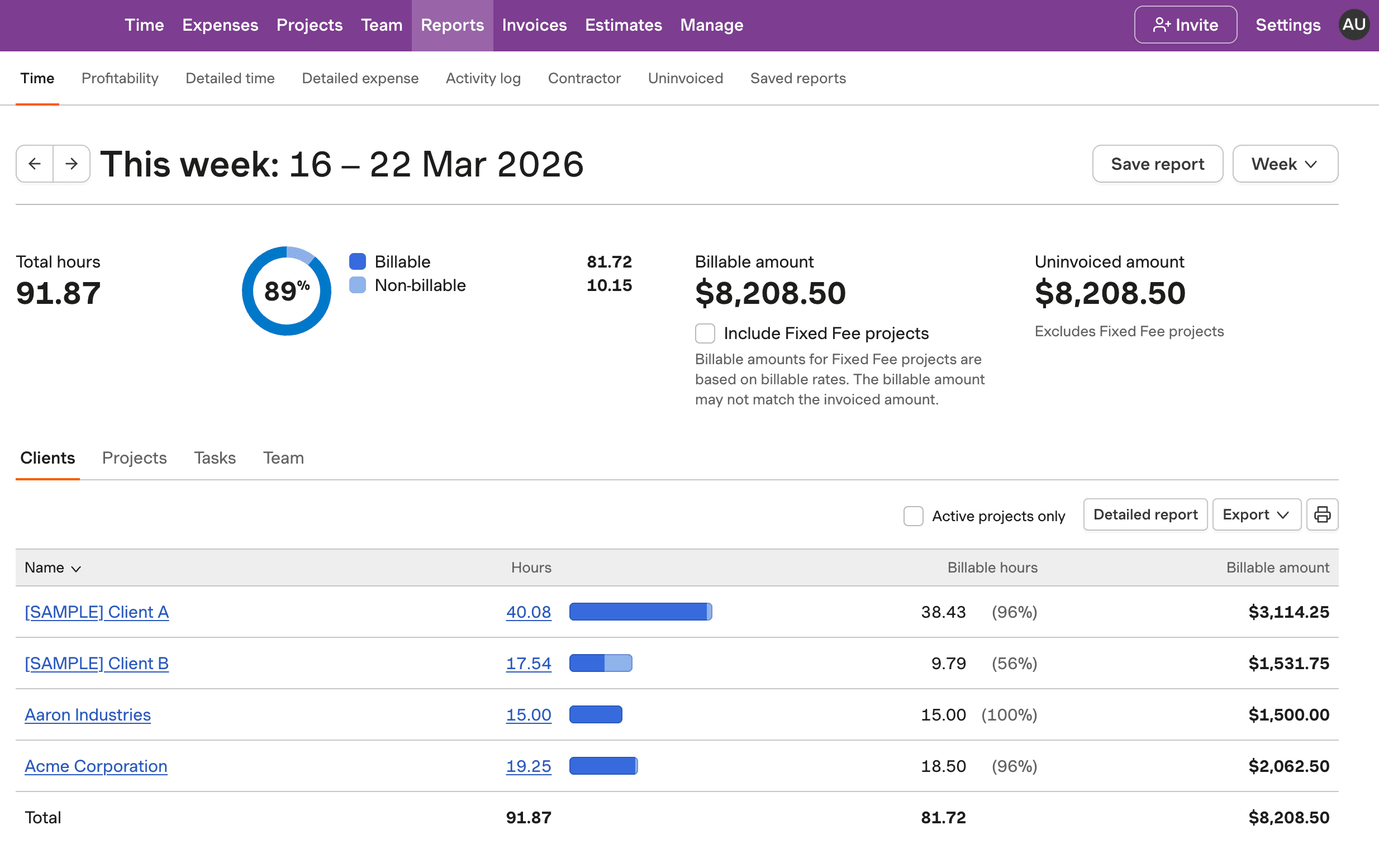
Time tracking has the power to transform project management and team performance. By providing accurate data, it enhances project estimates and budgeting accuracy, ensuring resources are allocated effectively. For instance, multitasking can decrease productivity by up to 45%, but with Harvest's detailed reports, businesses can monitor progress in real-time and identify bottlenecks early.

Harvest empowers teams to drive data-driven decision-making, optimizing resource utilization and workload balancing. By comparing scheduled hours with actual tracked time, Harvest helps project managers adjust timelines proactively, preventing budget overruns and improving overall project outcomes.

Navigating Challenges: Common Mistakes and Compliance

Despite its benefits, time tracking can pose challenges if not implemented carefully. Common pitfalls include manual entry errors and inconsistent data. Harvest addresses these issues with automation and timesheet approvals, ensuring data integrity. Compliance is another critical aspect, especially with regulations like the U.S. Fair Labor Standards Act requiring accurate recordkeeping.

Harvest supports businesses in navigating these challenges by offering features that establish clear time-tracking policies and encourage employee participation. Regular audits and training ensure that the system remains compliant and effective, building trust among the workforce and reducing resistance.

Maximizing Insights: Review and Adaptation

Regularly reviewing and adapting time tracking processes is essential for continuous improvement. Establish a review cadence, such as weekly or bi-weekly, to analyze trends and adjust strategies accordingly. Harvest facilitates this with detailed reports that compare actuals to estimates, helping businesses identify inefficiencies and optimize workflows.

By turning time tracking data into actionable insights, organizations can refine their processes and tools over time. Harvest's comprehensive analytics capabilities empower businesses to make informed decisions, ensuring they stay competitive and responsive to evolving needs.

Explore Harvest's Time Tracking Features

See how Harvest's time tracking helps optimize team productivity and project management with real-time insights.

Screenshot of Harvest time tracking dashboard

Time Tracking Best Practices FAQs

  • Time tracking improves team productivity by providing insights into where time is spent and identifying inefficiencies. For instance, knowing that full-time employees are only productive for an average of 2 hours and 53 minutes per day highlights the need for strategic time allocation. Tools like Harvest allow teams to optimize their workflows through detailed reports and data-driven decisions.

  • Accurate time recording can be achieved by using tools that offer both automatic and manual logging options, like Harvest. Real-time tracking with one-click timers ensures precision, while manual entry allows for retroactive logging. Consistent categorization of tasks and projects also helps maintain accuracy and relevancy of the data collected.

  • Time tracking impacts project profitability by ensuring accurate billing for hours worked, reducing inflated time reporting which can add up to significant losses. Harvest's features, like budget tracking and detailed reports, help in monitoring project expenses and optimizing resource allocation, ultimately improving profitability.

  • Common mistakes in time tracking include manual entry errors, not logging time promptly, and inconsistent categorization. Harvest helps avoid these pitfalls with features like automatic timesheet reminders and task categorization, ensuring data accuracy and integrity.

  • Time tracking data should be reviewed regularly, ideally on a weekly or bi-weekly basis, to ensure that projects remain on track and resources are allocated efficiently. Harvest's detailed reporting capabilities make it easy to conduct these reviews, helping teams identify trends and make informed adjustments.

  • Yes, Harvest can help with client billing and invoicing by allowing you to create, send, and manage professional invoices directly from tracked time. This ensures that all billed hours are accurate and accounted for, improving client trust and cash flow.

  • Harvest integrates with a wide range of tools including Asana, Trello, Slack, and QuickBooks. These integrations facilitate seamless data flow and streamline project management, enhancing overall productivity and collaboration.