
Harvest
Time Tracking
Sign up free

Time Tracking in Nigeria

Harvest simplifies time tracking and invoicing for Nigerian businesses, ensuring accurate compliance with labor laws and payroll integration.

Try Harvest Free

How many hours did you work this week?

Enter your clock-in and clock-out times for each day. The calculator handles breaks, overtime, and weekly totals automatically.

Day Clock In Clock Out Break Hours
Total hours this week 0h
Regular hours (≤40) 0h
Overtime hours 0h
Average hours/day 0h
Total break time 0h

Track time automatically with Harvest

Walk through the entire flow below. Start a timer, check your reports, and create a real invoice — all in three clicks.

Go ahead — start tracking!

One click and you're timing. Try it right here: start a timer, add an entry, edit the details. This is exactly how it feels in Harvest.

  • One-click timer from browser, desktop & mobile
  • Works inside Jira, Asana, Trello, GitHub & 50+ tools
  • Duration or start/end — your call
  • Day, week & calendar views to stay on top of it all
  • Friendly reminders so no hour gets left behind
Acme Corp
Website Redesign
Homepage layout revisions
1:24:09
Content Strategy
Blog calendar planning
1:30:00
SEO Audit
Technical audit report
0:45:00
Brand Guidelines
Color system documentation
2:15:00
Logo Concepts
Initial sketches round 1
1:00:00

The Imperative of Time Tracking in Modern Nigerian Business

In today's competitive market, effective time tracking is essential for Nigerian businesses striving to enhance productivity and operational efficiency. Transitioning from manual systems to automated solutions can significantly reduce errors and administrative overhead. For instance, manual time tracking often results in inaccuracies and time theft, which can account for up to 20% loss in productivity. Automated systems, on the other hand, offer precise tracking and reporting, allowing businesses to address these challenges head-on.

Moreover, automated time tracking solutions facilitate better payroll accuracy and compliance with labor regulations. A logistics company in Nigeria reported a 30% improvement in payroll accuracy after implementing a biometric time attendance system. Such systems also enable real-time data access, aiding in strategic decision-making and workforce management. By adopting these technologies, businesses can not only improve their bottom line but also foster a culture of accountability and transparency among employees.
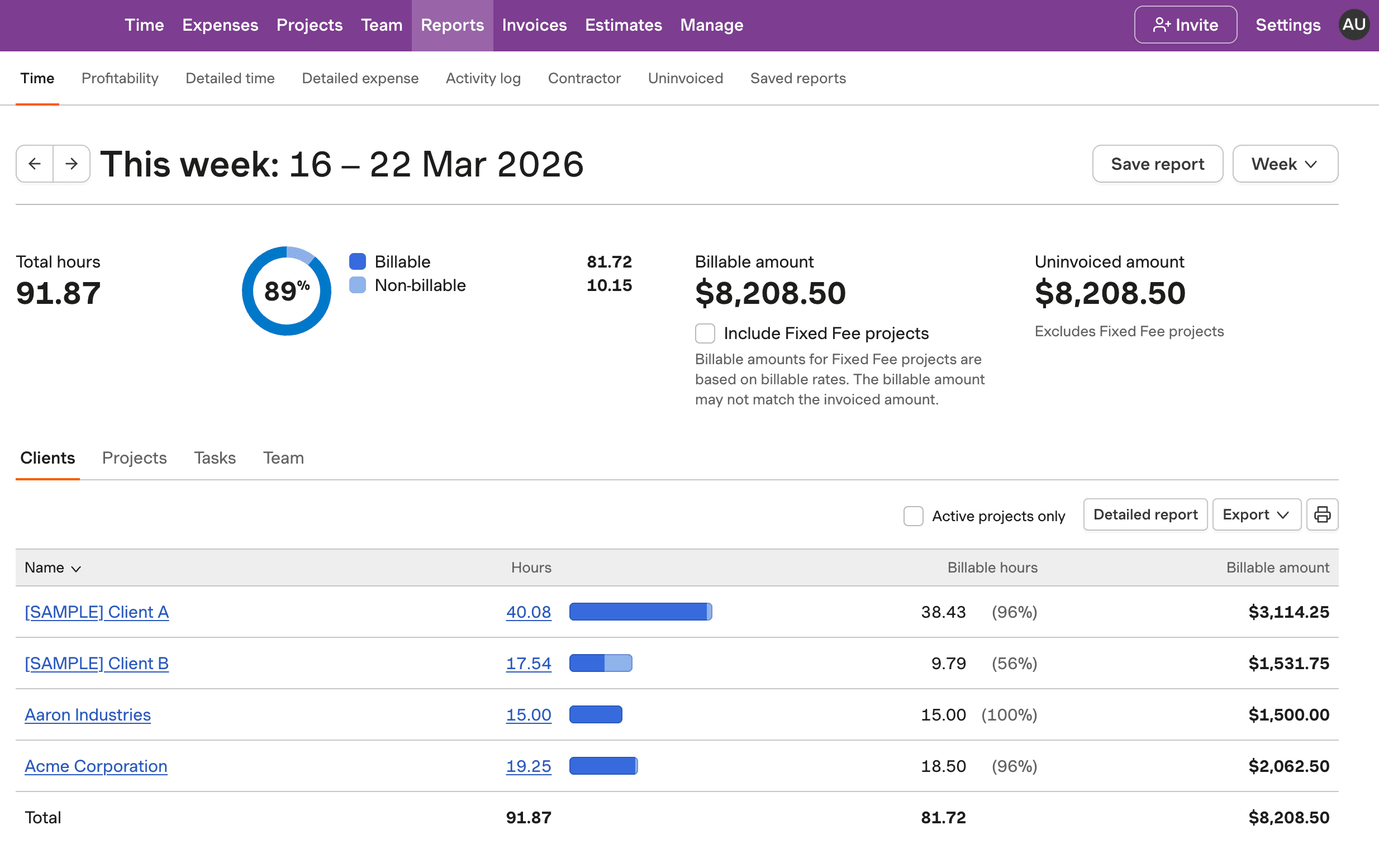
Navigating Nigerian Labor Laws with Time Tracking Solutions

Compliance with Nigerian labor laws is critical for businesses to avoid legal pitfalls and penalties. The Nigerian Labour Act stipulates that a standard working day should not exceed 8 hours, with a working week ranging between 40-48 hours. Employers must also ensure reasonable rest intervals and a minimum of 24 consecutive rest hours each week. However, managing these regulations manually can be cumbersome and prone to errors.

Time tracking solutions tailored for the Nigerian market can streamline compliance by automating the enforcement of these labor laws. For example, configurable systems can automatically track working hours, rest breaks, and overtime, ensuring adherence to legal requirements. By integrating time tracking with payroll systems, businesses can accurately calculate wages, including overtime, based on actual hours worked. This integration helps prevent payment disputes and maintains employee satisfaction.

Essential Features of Time Tracking Software for Nigerian Enterprises

To meet the unique needs of Nigerian businesses, time tracking software must offer specific features that enhance accuracy and efficiency. Biometric verification, such as fingerprint or facial recognition, is crucial for preventing "buddy punching" and ensuring accurate attendance records. Additionally, mobile clock-in options with geo-tagging capabilities are essential for managing remote and field workers effectively.

Integration with payroll and HR systems is another critical feature. Seamless integration reduces manual data entry errors and automates wage calculations, aligning with Nigeria's payroll formats. Real-time reporting and analytics provide valuable insights into workforce trends, helping businesses make informed HR decisions. Furthermore, customizable dashboards and leave management tools enhance operational flexibility and employee satisfaction.

Implementing Time Tracking: Best Practices and Local Considerations

When implementing time tracking systems in Nigeria, businesses must consider local challenges such as internet connectivity. Solutions offering offline functionality or cloud integration with local support are highly beneficial. It's also important to ensure compliance with local payroll formats and tax regulations, such as PAYE and pension processing.

Businesses should prioritize solutions that offer employee self-service portals, allowing workers to manage their own time entries and leave requests. This not only improves transparency but also encourages user adoption. Successful implementation requires strategic change management and thorough training to ensure all employees understand and effectively use the system. By addressing these considerations, businesses can achieve smoother transitions and maximize the benefits of time tracking solutions.

Time Tracking in Nigeria with Harvest

Explore how Harvest enhances time tracking for Nigerian businesses, ensuring compliance and streamlined payroll integration.

Time tracking solutions in Nigeria with Harvest's platform

Time Tracking in Nigeria FAQs

  • Under the Nigerian Labour Act, a standard working day should not exceed 8 hours, and a working week is typically between 40-48 hours. Employers must also provide reasonable rest intervals and 24 consecutive hours of rest weekly.

  • Time tracking solutions automate the enforcement of Nigerian labor laws by configuring systems to track working hours, rest breaks, and overtime. This ensures businesses adhere to legal requirements and avoid penalties.

  • Key features include biometric verification, mobile clock-in with geo-tagging, seamless payroll integration, real-time reporting, and customizable dashboards to meet the unique needs of Nigerian enterprises.

  • Yes, time tracking systems can seamlessly integrate with payroll software, automating wage calculations and reducing errors. This integration ensures employees are accurately paid for their actual hours worked.

  • Automated time tracking improves productivity, payroll accuracy, and compliance with labor laws. Businesses report significant reductions in absenteeism and payroll errors, ultimately enhancing operational efficiency.

  • Manual time tracking is prone to errors, time theft, and compliance issues, leading to payroll discrepancies and productivity loss. Automated systems address these challenges by providing accurate and real-time data.

  • Harvest offers flexible time tracking and reporting tools that can be adapted to various business needs in Nigeria, though specific compliance with local regulations is not directly supported. It can integrate with payroll systems to streamline operations.