
Harvest
Time Tracking
Sign up free

Overtime Calculator for Vermont

Harvest simplifies overtime calculations in Vermont by allowing custom rates for different overtime types, ensuring accurate and compliant pay.

Try Harvest Free

What will your overtime pay be?

Calculate regular and overtime earnings based on your hours and rate. Supports standard time-and-a-half and double-time multipliers.

$
Standard is 40 hours/week (FLSA threshold)
1.5x
1.5x = time and a half (most common). 2x = double time (CA after 12h, holidays).
Some states require 2x pay after 12 hours/day or on 7th consecutive day.
Total gross pay $0
Regular pay $0
Overtime pay (1.5x) $0
Double-time pay (2x) $0
Effective hourly rate $0

Track overtime hours with Harvest

Walk through the entire flow below. Start a timer, check your reports, and create a real invoice — all in three clicks.

Go ahead — start tracking!

One click and you're timing. Try it right here: start a timer, add an entry, edit the details. This is exactly how it feels in Harvest.

  • One-click timer from browser, desktop & mobile
  • Works inside Jira, Asana, Trello, GitHub & 50+ tools
  • Duration or start/end — your call
  • Day, week & calendar views to stay on top of it all
  • Friendly reminders so no hour gets left behind
Acme Corp
Website Redesign
Homepage layout revisions
1:24:09
Content Strategy
Blog calendar planning
1:30:00
SEO Audit
Technical audit report
0:45:00
Brand Guidelines
Color system documentation
2:15:00
Logo Concepts
Initial sketches round 1
1:00:00

Understanding Vermont Overtime Laws

In Vermont, understanding overtime laws is crucial for ensuring fair compensation. The state mandates that non-exempt employees are paid at a rate of 1.5 times their regular pay for all hours worked over 40 in a single workweek. This rule ensures employees are compensated for their additional efforts beyond the standard workweek. Interestingly, Vermont does not require overtime pay for hours worked beyond eight in a day or for weekends and holidays unless the weekly total exceeds 40 hours. Employers with at least two employees must comply with these regulations, ensuring that both federal and state laws are adhered to.

Employers must also be aware of the state's minimum wage, which directly impacts overtime calculations. As of January 1, 2025, Vermont's minimum wage is set at $14.01 per hour, increasing to $14.42 in 2026. Tipped employees, however, have a lower base wage, ensuring their total earnings meet the standard minimum when tips are included. These nuances highlight the importance of staying informed about current labor laws to avoid compliance issues.
Calculating Overtime Pay in Vermont

Calculating overtime pay correctly is essential for both employees and employers in Vermont. The process begins with determining the regular rate of pay, which for hourly workers is straightforward. For salaried employees who are non-exempt, it's calculated by dividing the weekly salary by 40 hours. All additional compensation, such as bonuses and commissions, must also factor into this hourly rate, ensuring that overtime pay is fair and accurate.

Once the regular rate is established, the next step is to identify any hours worked beyond the standard 40-hour workweek. These hours are considered overtime and must be compensated at 1.5 times the regular rate. For instance, if an employee works 45 hours in a week, the extra five hours are eligible for the increased pay. This structured approach ensures transparency and fairness in compensation practices, which is critical for maintaining trust and compliance.

Exemptions and Special Considerations

While many employees qualify for overtime pay, certain exemptions exist both federally and within Vermont. Executive, administrative, and professional employees meeting specific criteria are exempt from overtime under the FLSA. In Vermont, additional categories such as ski area workers and certain retail employees are also exempt from state overtime requirements, reflecting industry-specific considerations.

Employers must ensure correct classification to avoid penalties associated with misclassification, a common compliance pitfall. Regular auditing of employee classifications and clear communication of policies are best practices that can help employers maintain compliance and prevent disputes. These practices are vital in industries with specific overtime exceptions, ensuring all parties understand their rights and obligations under the law.

Harvest's Role in Overtime Management

Managing overtime effectively can be challenging, but Harvest offers a solution with its flexible tracking options. By allowing businesses to set custom rates for different types of overtime work, Harvest ensures accurate compensation calculations. It supports adjustments for various pay rates, including double time and triple time, which is particularly useful in Vermont where specific tasks may demand higher compensation rates.

Harvest's integration capabilities with popular platforms like Asana and QuickBooks further streamline time tracking and payroll processes, providing a comprehensive tool for businesses to manage their workforce efficiently. This functionality is essential for maintaining compliance and ensuring employees are paid correctly for their overtime hours, thus fostering a fair and transparent workplace.

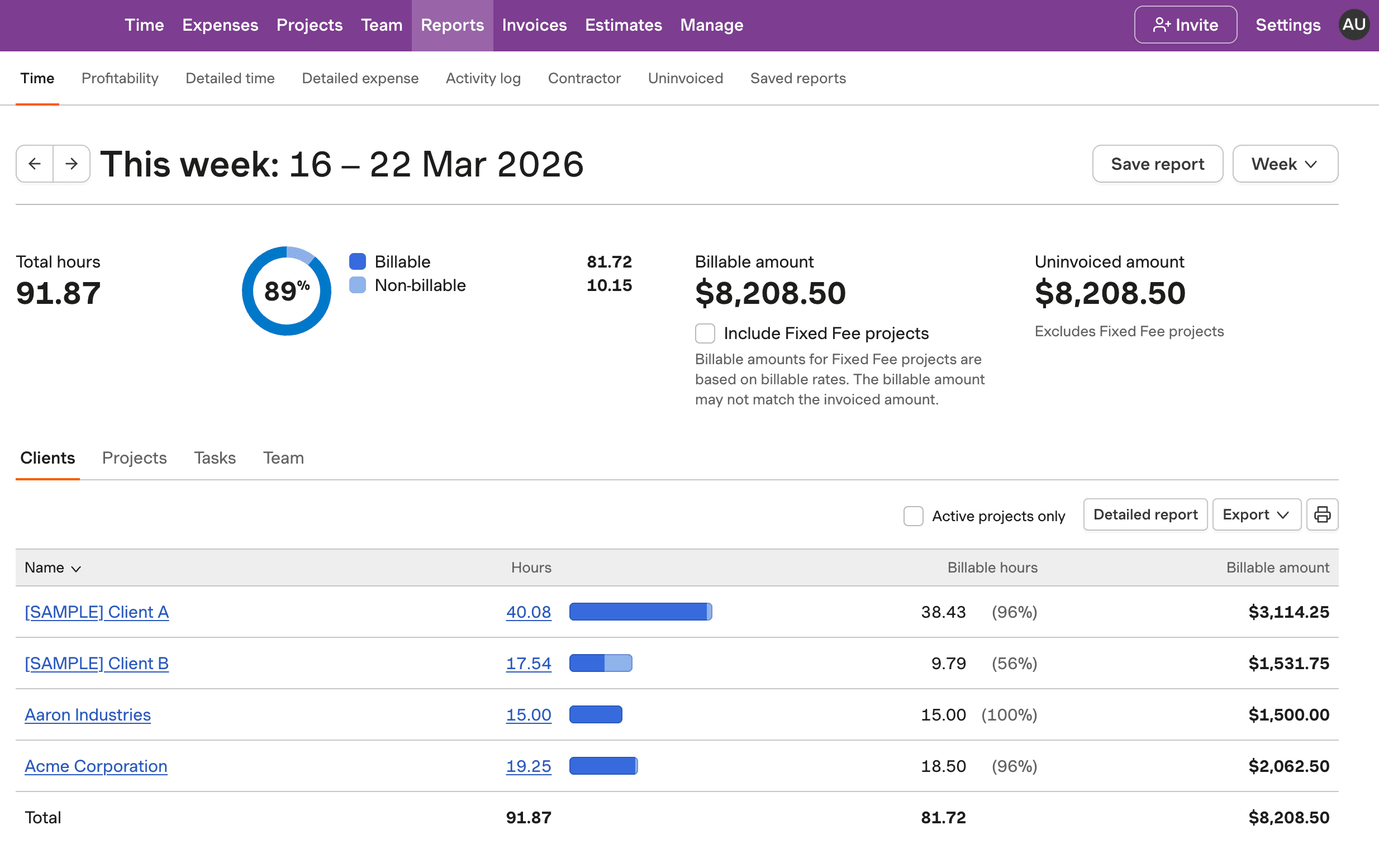
Overtime Calculator for Vermont with Harvest

See how Harvest calculates Vermont overtime with custom rate settings, ensuring compliance and accurate pay.

Harvest overtime calculator for Vermont showing custom rate settings

Overtime Calculator for Vermont FAQs

  • As of January 1, 2025, the minimum wage in Vermont is $14.01 per hour. This rate will increase to $14.42 per hour in 2026, ensuring that wages keep pace with the cost of living.

  • Overtime for hourly employees in Vermont is calculated at 1.5 times the regular rate of pay for any hours worked over 40 in a single workweek. This ensures fair compensation for additional hours worked.

  • Yes, Vermont has specific exemptions, including ski area workers and certain retail employees. These exemptions allow for industry-specific flexibility while maintaining fair labor standards.

  • Yes, Harvest offers flexible tracking options that allow businesses to set custom rates for different types of overtime work, ensuring accurate and compliant pay calculations.

  • Collective bargaining agreements can establish different overtime rules, provided they meet or exceed state and federal standards. It's important for employers to adhere to these agreements to ensure compliance.

  • Employers must pay for all hours worked, including unauthorized overtime, but can enforce policies to prevent future unauthorized work. This ensures compliance while maintaining operational control.

  • Employers should accurately track work hours, correctly classify employees, and regularly audit pay practices. Using tools like Harvest can streamline these processes, ensuring ongoing compliance.