Sign up


Understanding Estimation Challenges for Thai Contractors
For contractors in Thailand, preparing accurate and compliant estimates is essential to winning projects and maintaining profitability. The construction industry in the country is experiencing significant growth, with a Compound Annual Growth Rate (CAGR) of 5.6% anticipated from 2022 to 2027. This expansion, driven by government-backed mega-projects, represents a lucrative opportunity for contractors but also necessitates precise cost estimation processes. The introduction of digital tools and practices, such as Building Information Modeling (BIM), has already reduced project timelines by 20% and costs by 10-15% (source). Yet, challenges such as rising labor and material costs persist, with labor expenses increasing by 6.1% in early 2024.
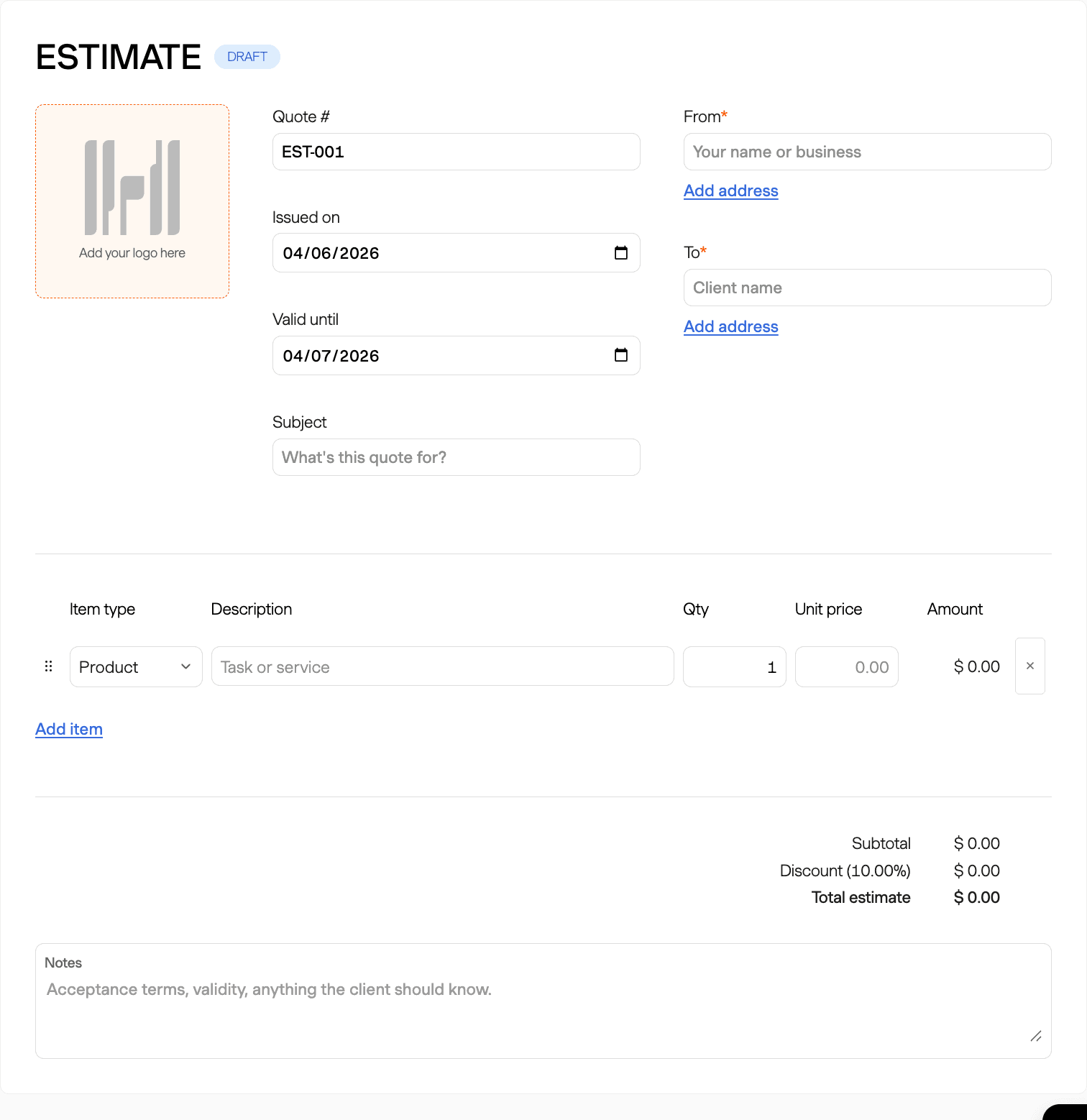
To address these challenges, contractors need to create estimates that accurately reflect local pricing structures and economic conditions. For instance, the "Baht per square meter" rate is a common estimation method that varies based on location and project quality. Additionally, estimates must account for a 7% Value Added Tax (VAT) and adhere to the Consumer Protection Act's requirements for residential contracts. Harvest can assist contractors in Thailand by allowing them to incorporate specific line items and local taxes into their estimates, ensuring they remain competitive while complying with legal standards.