
Harvest
Contracts
Sign up

Nda Template in Indonesian

Harvest offers a comprehensive solution for businesses seeking to streamline their NDA processes in Indonesia. With the increasing complexity of business operations, NDAs are essential for protecting confidential information, and Harvest can help simplify these processes.

Start from a template

AGREEMENT DRAFT

Add your logo here

Scope of work

Payment terms

Duration

Signatures

Client

Sign here

Contractor

Sign here

Get paid via:
Credit card / Debit card
ACH
Wire transfer

Customize contract

Appearance

Add a logo
Show contract title

Contract settings

Include payment terms Total fee, deposit, and schedule
Include termination clause Notice required to end the contract
Include signature blocks Both parties sign at the bottom

Understanding the Importance of NDAs in Indonesia

Non-Disclosure Agreements (NDAs) play a critical role in Indonesia's dynamic business environment, safeguarding confidential information across various transactions and partnerships. As businesses grow more complex, the recognition of confidential information as a valuable resource necessitates robust legal protection. This is particularly evident in sectors like overseas higher education consulting, where the protection of trade secrets is paramount. NDAs offer a formalized approach to protecting sensitive information, whether in business negotiations, forming partnerships, or establishing employment agreements.

However, navigating the complexities of Indonesian law can be challenging. Governed by the Indonesian Civil Code, NDAs must meet specific legal criteria to be enforceable. Furthermore, the Law on Trade Secrets provides a framework for protecting confidential information related to trade secrets. Businesses must also be mindful of the cultural considerations unique to Indonesia, making professional legal assistance a valuable asset when drafting and enforcing NDAs.

Key Elements of an Indonesian NDA Template

Creating an effective NDA in Indonesia requires a clear understanding of its essential components. A robust NDA template should clearly define what constitutes "confidential information," outline the specific obligations of the receiving party, and detail any exclusions from confidentiality. Additionally, it must specify the duration of confidentiality obligations and clearly state the consequences of a breach. It's crucial that the NDA is drafted in Bahasa Indonesia to meet legal requirements, especially for contracts involving Indonesian parties.

When drafting an NDA, businesses should consider whether a unilateral or mutual agreement is more appropriate. Unilateral NDAs are suitable for one-way information disclosure, such as employer-employee relationships, while mutual NDAs are ideal for scenarios involving a two-way exchange of information, such as partnerships. By incorporating specific provisions for enforcement under Indonesian jurisdiction, businesses can enhance the enforceability of their NDAs, ensuring protection against breaches.

Legal Considerations for NDAs in Indonesia

In Indonesia, NDAs are legally binding agreements governed by several laws, including the Indonesian Civil Code and the Law on Trade Secrets. Article 1320 of the Civil Code outlines the conditions for contract validity, while Article 1338 emphasizes the freedom of contract. These provisions ensure that NDAs are enforceable as long as they meet the required legal standards.

It's important to note that breaching an NDA can lead to civil lawsuits, with potential criminal sanctions under the Criminal Code for trade secret violations. Businesses must be prepared to navigate the complexities of the legal system, as enforcing NDAs in Indonesia can be challenging. The doctrine of privity of contract further complicates matters, limiting legal recourse for affected third parties. As such, businesses are advised to seek expert legal guidance to ensure their NDAs are compliant and robust enough to withstand legal scrutiny.

Practical Tips for Using NDAs Effectively

To maximize the effectiveness of NDAs in Indonesia, businesses should implement comprehensive strategies to protect trade secrets. This includes clearly marking confidential documents, restricting access to sensitive information, and mandating NDAs for both internal personnel and external collaborators. Additionally, integrating NDAs with structured knowledge management systems and conducting regular training programs can enhance compliance.

For international collaborations, utilizing bilingual drafting and review services is highly recommended. This ensures that the NDA is legally compliant in Indonesia while accurately reflecting the intentions of all parties involved. By taking these proactive steps, businesses can mitigate the risks associated with misinterpretation and enhance the overall enforceability of their NDAs.

NDA Templates with Harvest

Harvest offers customizable NDA templates in Indonesian, helping you protect business secrets effectively. Streamline your agreements today.

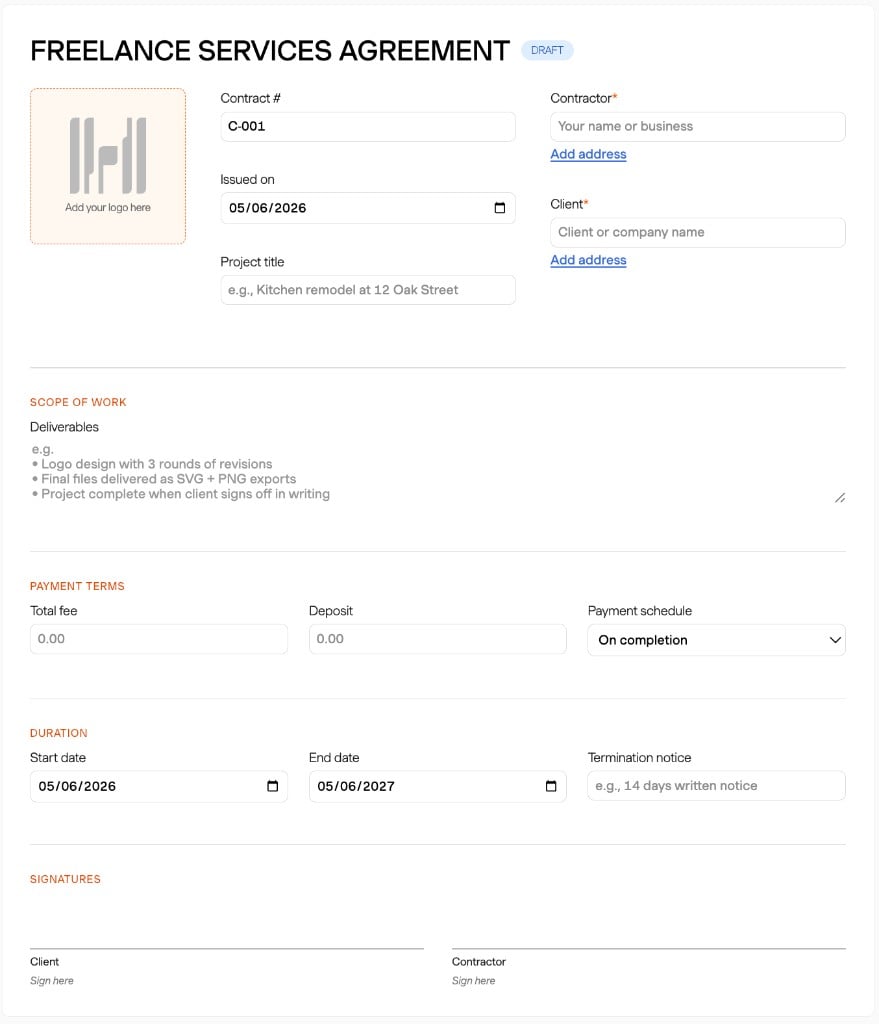
Screenshot of NDA template in Indonesian with Harvest features.

Nda Template in Indonesian FAQs

  • A robust NDA in Indonesia should define "confidential information," outline obligations, specify exclusions, and state breach consequences. It must be in Bahasa Indonesia for legal compliance.

  • Ensure your NDA meets the conditions of the Indonesian Civil Code, is drafted in Bahasa Indonesia, and includes enforcement provisions specific to local jurisdiction.

  • Breaching an NDA can result in civil lawsuits for damages and, in cases involving trade secrets, criminal sanctions under Indonesian law, including potential imprisonment.

  • Businesses can protect trade secrets by marking confidential documents, restricting access, and integrating NDAs with knowledge management systems to enhance compliance.

  • Bilingual drafting ensures NDAs are legally compliant in Indonesia and accurately reflect all parties' intentions, reducing misinterpretation risks in international collaborations.

  • Use a unilateral NDA for one-way information disclosure, like employer-employee relationships, and a mutual NDA for two-way exchanges, like partnerships.

  • NDAs are widely used across industries such as manufacturing, consulting, and higher education, particularly where protecting trade secrets and confidential data is crucial.