
Harvest
Quotes
Sign up

Proposal Template for Contractors in Indonesian

Harvest helps contractors manage time, expenses, and invoices but does not handle Indonesian compliance. Ensure your proposals meet local standards by leveraging Harvest's tools for project management.

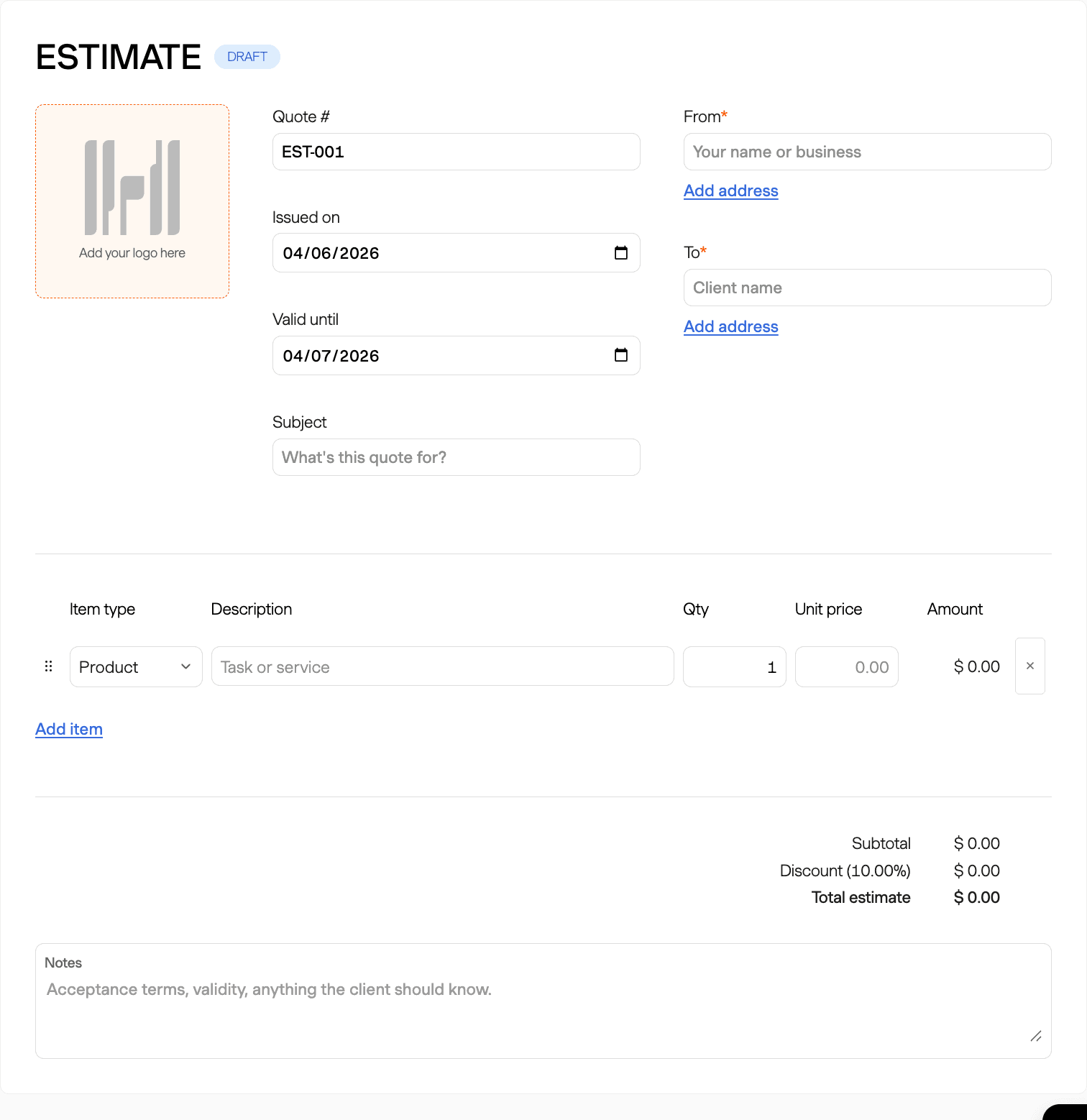
ESTIMATE DRAFT

Add your logo here
Item type
Description
Qty
Unit price
Tax
Amount
Subtotal
$0.00
Discount
$0.00
Total estimate
$0.00
Get paid via:
Credit card / Debit card
ACH
Wire transfer

Customize estimate

Appearance

Add a logo
Show estimate title

Quote settings

Tax Add up to 2 tax rates
%
Discount Apply a discount percentage
%

Essential Elements of a Contractor Proposal in Indonesia

Creating a contractor proposal in Indonesia involves understanding both the structural and legal aspects necessary for compliance and competitiveness. A well-structured proposal must include clear identities of the parties involved, a detailed work scope, project value, and execution timelines. Indonesian regulations, such as Law No. 2 of 2017 on Construction Services, mandate these elements to formalize the relationship between service providers and users.

In addition to these legal aspects, proposals should also incorporate risk mitigation plans and value propositions. This approach not only complies with local regulations but also enhances the proposal's strategic appeal. For instance, including specific risk mitigation strategies, such as addressing potential issues with unstable land, can significantly improve proposal success rates. This strategy aligns with the growing emphasis on persuasive business arguments, which experts suggest are crucial for winning tenders.

Adapting Proposals for Indonesian Cultural and Market Needs

Adapting a contractor proposal for the Indonesian market requires attention to cultural nuances and market-specific details. While Harvest does not specialize in cultural considerations, contractors need to align their proposals with local expectations. This includes understanding common materials and labor costs, which are pivotal in budgeting sections of proposals. Although Harvest helps manage job costs and expenses, consulting local experts is advisable for precise market data.

Moreover, government tenders in Indonesia often require comprehensive documents, including legal company documents and proof of business field suitability. Proposals must be meticulously detailed to prevent future disputes, as highlighted by case studies showing that unclear scope of work often leads to contractual disagreements. Therefore, it’s crucial to tailor proposals to meet both technical requirements and cultural preferences, ensuring they resonate well with Indonesian clients.

Leveraging Technology and Templates for Efficient Proposal Creation

In Indonesia's evolving market, the digitalization of tender processes is reshaping how proposals are submitted and reviewed. Many government and private entities are adopting e-procurement platforms, necessitating proficiency in digital document preparation. Harvest, while not specifically tailored for Indonesian compliance, offers tools that can streamline the management of time, expenses, and invoicing, integral components of the proposal process.

Using standardized online forms and templates, contractors can enhance their efficiency in proposal creation. This approach not only saves time but also ensures consistency and accuracy across submissions. Industry experts emphasize the importance of integrating proposal creation with broader business processes, using templates to maintain a cohesive structure and clarity. While templates aid in organization, it’s imperative to customize them to reflect the unique needs of each project and client.

Overcoming Common Challenges in Proposal Development

Developing a robust contractor proposal in Indonesia involves overcoming challenges such as lack of detailed research and addressing specific client needs. Proposals should be data-driven and supported by concrete statistics or case studies to be compelling. Common pitfalls include vague statements and neglecting unspoken client needs, which can lead to unsuccessful bids.

Experts recommend a thorough understanding of the client's background and market trends before drafting a proposal. This research enables contractors to offer tailored solutions that resonate with the client's strategic objectives. While Harvest aids in managing project budgets and expenses, contractors should also leverage local insights and expertise to enhance proposal relevance and acceptance rates.

Legal Considerations for Contractor Proposals in Indonesia

Legal compliance is a cornerstone of contractor proposals in Indonesia, guided by specific regulations such as the Presidential Regulation No. 16 of 2018. This regulation outlines requirements for government tenders, including the need for comprehensive administrative, technical, and financial documentation. Non-compliance can result in disqualification, making legal awareness critical for contractors.

While Harvest does not manage specific legal requirements, it facilitates efficient project budget tracking and expense management, crucial for meeting financial qualifications in tenders. For legal specifics, consulting local legal experts is recommended to ensure all regulatory and contractual obligations are met. This dual approach of leveraging technology like Harvest for financial management and seeking legal expertise ensures comprehensive proposal preparation.

Harvest Proposal Template for Indonesian Contractors

Explore how Harvest helps manage time, expenses, and invoices for Indonesian contractor proposals, enhancing efficiency and compliance.

Screenshot of Harvest proposal template for contractors in Indonesian

Proposal Template for Contractors in Indonesian FAQs

  • A contractor proposal in Indonesia should include clear identities of the parties, a detailed work scope, project value, execution timelines, and risk mitigation plans. Compliance with Law No. 2 of 2017 on Construction Services is essential.

  • Adapting a proposal for the Indonesian market involves aligning with local regulations and cultural expectations. Understanding common costs and consulting local experts can enhance proposal relevance and acceptance.

  • Digitalization plays a significant role in Indonesian tenders, with many entities using e-procurement platforms for submissions. Contractors must be proficient in preparing digital documents to succeed in this environment.

  • Harvest aids in managing time, expenses, and invoices, integral to proposal management. While it doesn’t handle local compliance, it streamlines financial tracking, essential for proposal success.

  • Common mistakes include vague statements, lack of detailed research, and failing to address client-specific needs. Proposals should be specific, data-driven, and aligned with the client's objectives.

  • Yes, Indonesian construction proposals must comply with regulations such as Law No. 2 of 2017 and Presidential Regulation No. 16 of 2018. Legal compliance includes detailed documentation and company legitimacy.

  • Research is crucial in proposal development, enabling contractors to understand client needs and market trends. This allows for tailored, persuasive proposals that stand out in competitive tenders.