
Harvest
Contracts
Sign up

Nda Template in Arabic

Navigating the complexities of NDAs in Arabic-speaking regions is essential for safeguarding sensitive data. Harvest provides tools to help manage the associated workflows effectively.

Start from a template

AGREEMENT DRAFT

Add your logo here

Scope of work

Payment terms

Duration

Signatures

Client

Sign here

Contractor

Sign here

Get paid via:
Credit card / Debit card
ACH
Wire transfer

Customize contract

Appearance

Add a logo
Show contract title

Contract settings

Include payment terms Total fee, deposit, and schedule
Include termination clause Notice required to end the contract
Include signature blocks Both parties sign at the bottom

Understanding NDAs in Arabic-Speaking Regions

Non-Disclosure Agreements (NDAs) are critical tools for protecting sensitive information in Arabic-speaking regions, where they play a pivotal role in commercial and legal transactions. In countries like the United Arab Emirates (UAE), Saudi Arabia, and Egypt, NDAs are legally enforceable and are often tailored to comply with local laws. For instance, in the UAE, NDAs are governed by the Civil Code and the Commercial Transactions Law, while in Saudi Arabia, they must adhere to Sharia principles and the Commercial Courts Law of 2020. These agreements help protect valuable data and trade secrets, which is essential, given that information-based industries contribute over 60% to the UAE's GDP.

The need for well-structured NDAs is underscored by the high cost of data breaches, which globally averaged US$4.45 million in 2023. Additionally, 75% of data breaches are attributed to human error or misuse, highlighting the importance of clear contractual obligations. Whether in technology, real estate, or employment sectors, NDAs help safeguard proprietary information, making them indispensable in regions where trust is paramount.

Key Components of an NDA Template in Arabic

Creating an effective NDA template in Arabic involves understanding its essential components, which include a clear definition of what constitutes confidential information. To avoid unenforceability, NDAs should specify this information precisely, rather than using vague terms like "everything the company does." Another critical component is the duration of confidentiality, which must be reasonable and tailored to the nature of the information being protected. In Saudi Arabia, for example, confidential information can be protected for up to ten years from the agreement's expiry.

Furthermore, it's crucial to specify the governing law and jurisdiction to avoid legal discrepancies, particularly in international partnerships. An NDA should also include a "No-AI Training" clause to prevent proprietary data from being fed into AI systems, a trend that has gained traction in recent years. By implementing these components, businesses can create robust NDAs that effectively protect their interests.

Customizing NDAs for Arabic-Speaking Markets

Customizing an NDA for Arabic-speaking markets requires attention to local legal requirements and cultural nuances. In the UAE, NDAs are legally enforceable under Federal Law No. 15 of 1980 on Publications and Publishing, which restricts unauthorized dissemination of proprietary information. Violating an NDA can lead to severe penalties, including imprisonment and fines of up to AED 500,000. Thus, it's essential to tailor the NDA to comply with these specific regulations.

Experts recommend that businesses conduct regular training sessions for employees on confidentiality obligations and maintain secure communication channels. Additionally, periodic legal reviews of NDA templates can help ensure they remain compliant with evolving regulations. By customizing NDAs to fit local contexts, businesses can better protect their sensitive information and maintain their competitive edge in the region.

Overcoming Common NDA Challenges

Businesses often face challenges when drafting NDAs, particularly in ensuring their enforceability. One common issue is the inclusion of overly broad or vague definitions of "confidential information," which courts may deem unenforceable. To overcome this, NDAs should clearly define what information is protected and include specific clauses tailored to local regulations.

Another challenge is ensuring that the NDA is signed by the correct legal entity, as mistakes here can render the agreement void. It's also important to avoid common drafting errors, such as including indemnification clauses in preliminary NDAs, since confidentiality breaches are typically resolved through damages and injunctive relief. By addressing these challenges, businesses can create effective NDAs that safeguard their confidential information.

Importance of NDAs in Various Industries

NDAs hold significant importance across various industries in Arabic-speaking regions. In the technology sector, for instance, NDAs are crucial for protecting technical information and intellectual property. In Saudi Arabia, NDAs compliant with local laws are designed to prevent unauthorized access to sensitive data. Similarly, the real estate sector uses specific disclosure agreements to ensure transparency in transactions, incorporating regulations like RERA and Sharia law.

In employment, NDAs are often integrated into contracts for highly skilled employees, protecting trade secrets and client lists even after the termination of employment. Moreover, in mergers and acquisitions, NDAs facilitate the sharing of sensitive financial information while ensuring its confidentiality. By utilizing NDAs, businesses across these industries can better manage their confidential information and mitigate the risks of data breaches.

Explore Harvest's NDA Template

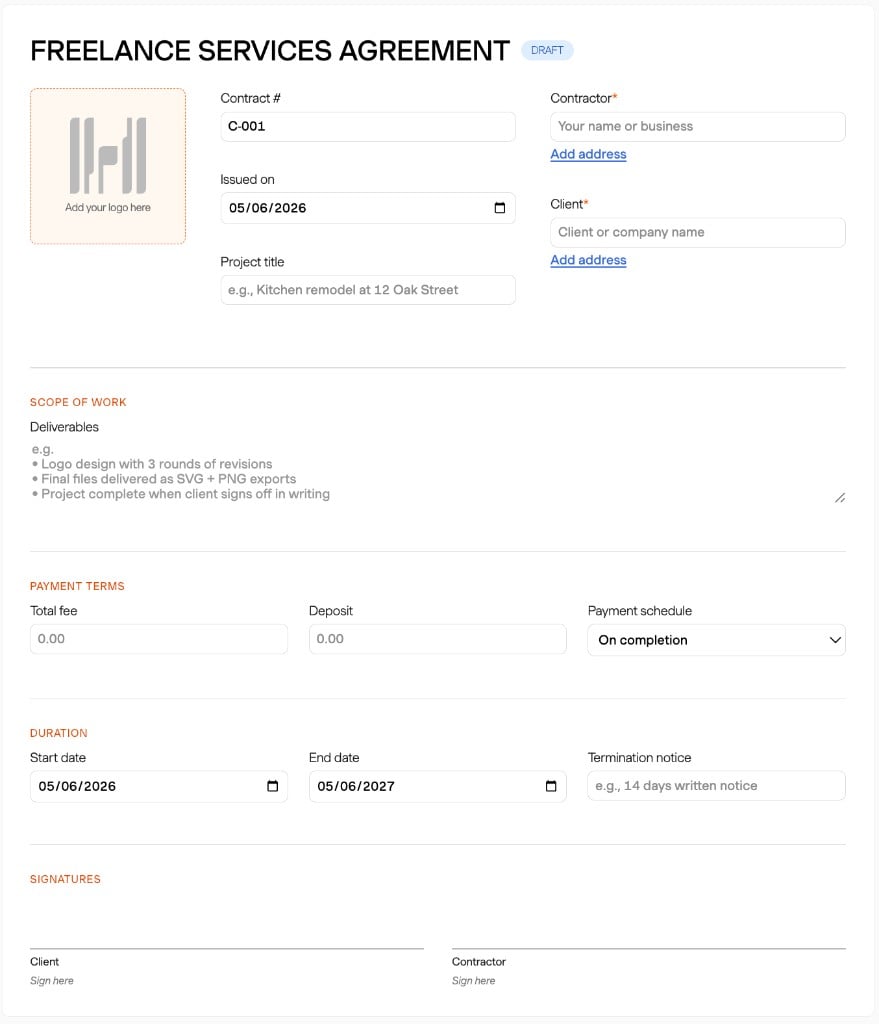
Harvest's NDA template helps you draft agreements tailored to Arabic-speaking regions, ensuring legal compliance and data protection.

Screenshot of Harvest's NDA template interface in Arabic.

Nda Template in Arabic FAQs

  • An NDA in Arabic should clearly define confidential information, specify the duration of confidentiality, and include a "No-AI Training" clause. It must also state the governing law and jurisdiction to ensure legal compliance.

  • To customize an NDA for Arabic-speaking countries, tailor it to local laws and cultural nuances. Ensure it is compliant with regulations like the UAE Civil Code or Saudi Arabia's Commercial Courts Law, and consider local practices.

  • Yes, NDAs are legally enforceable in the UAE under the Civil Code and Commercial Transactions Law. Breaching an NDA can lead to severe penalties, including fines and imprisonment.

  • Industries such as technology, real estate, and employment commonly use NDAs in Arabic-speaking regions. These agreements protect intellectual property, ensure transaction transparency, and safeguard trade secrets and client lists.

  • Avoid using vague definitions of "confidential information" and ensure the NDA is signed by the correct legal entity. Also, refrain from including indemnification clauses in preliminary NDAs, focusing instead on damages and injunctive relief for breaches.

  • A "No-AI Training" clause prevents proprietary data from being used in AI systems, protecting trade secrets from becoming part of a third-party AI's training set. This clause is increasingly relevant in NDA drafting.

  • Breaching an NDA in the UAE can lead to claims for compensation, imprisonment of at least one year, and fines ranging from AED 50,000 to AED 500,000. Corporate insiders may face additional penalties under Federal Decree-Law No. 32 of 2021.