
Harvest
Quotes
Sign up

Proposal Template for Contractors in Hebrew

Harvest provides a streamlined solution for contractors creating proposals in Hebrew, helping manage time tracking and invoicing with ease. Enhance your proposal efficiency with Harvest.

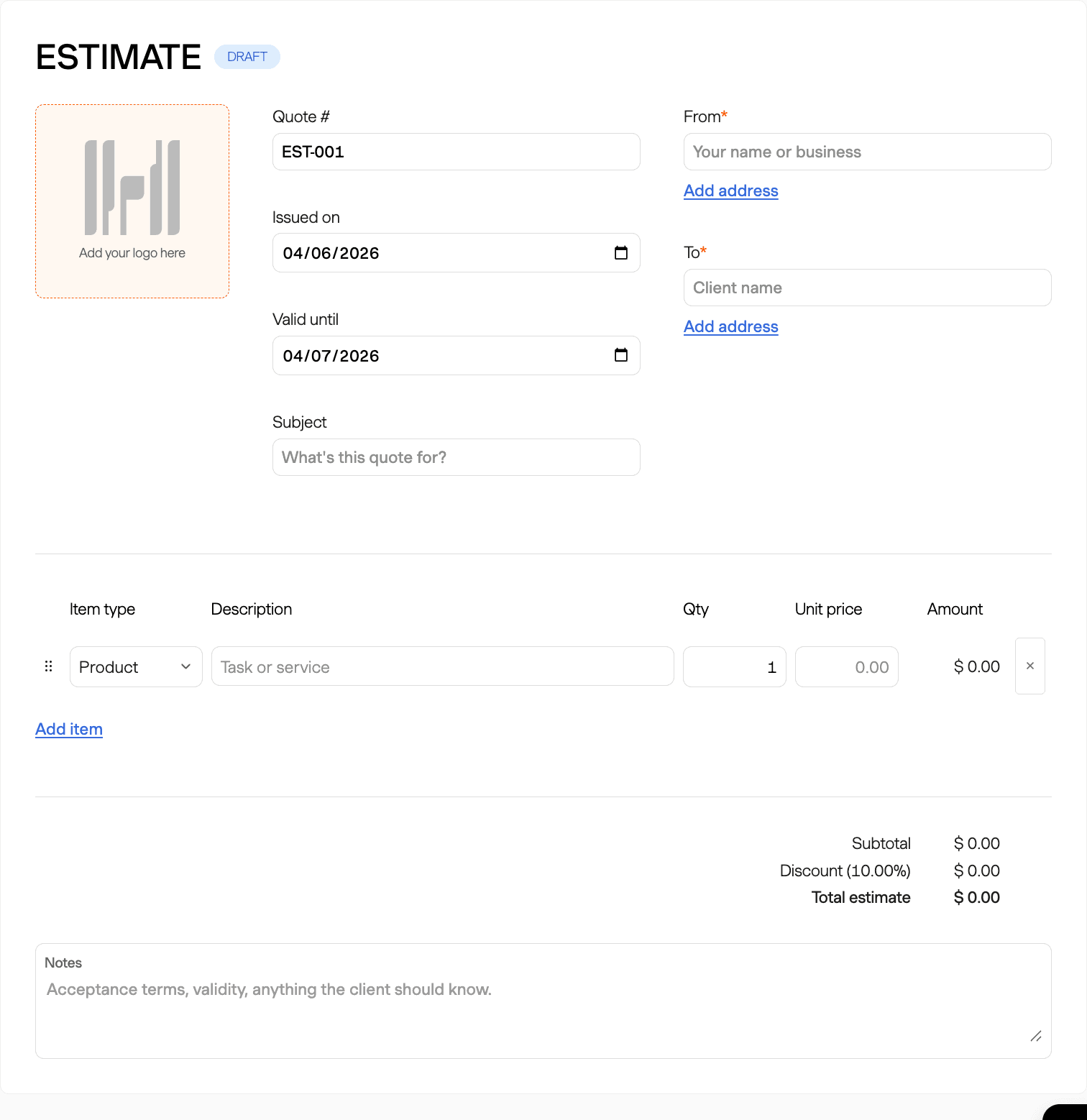
ESTIMATE DRAFT

Add your logo here
Item type
Description
Qty
Unit price
Tax
Amount
Subtotal
$0.00
Discount
$0.00
Total estimate
$0.00
Get paid via:
Credit card / Debit card
ACH
Wire transfer

Customize estimate

Appearance

Add a logo
Show estimate title

Quote settings

Tax Add up to 2 tax rates
%
Discount Apply a discount percentage
%

Creating a Comprehensive Contractor Proposal in Hebrew

When preparing a contractor proposal in Hebrew, it's crucial to include all specific elements that ensure clarity and compliance with local standards. A well-crafted proposal should begin with a detailed breakdown of the scope of work, including the activities, resources, and deliverables involved in the project. Clearly outlining these components helps prevent misunderstandings and ensures that both parties have a mutual understanding of the project requirements.

Additionally, proposals should include a comprehensive pricing structure. This means itemizing costs for labor, materials, and any other direct or indirect expenses. Given the prevalence of budget overruns in construction projects, often exceeding 15-20%, having a detailed budget can help manage expectations and reduce financial surprises later on.

Finally, it's important to incorporate any mandatory legal requirements. In Israel, contractor proposals become legally binding once accepted by the client, necessitating a clear and detailed contract. This contract should specify the timeline, payment terms, liability for defects, and penalties for breaches, ensuring both legal compliance and project accountability.

Navigating Legal and Cultural Considerations

Understanding the legal landscape for contractor proposals in Israel is paramount. The proposal, once accepted, serves as a legally binding contract, emphasizing the need for precise and clear terms. Always ensure your proposal includes written agreements, as verbal agreements can lead to disputes and are not legally binding. This is particularly crucial for significant renovation projects, where every detail—from scope to penalties—should be documented.

Culturally, it's important to align your proposal with local norms and expectations. This involves using language and terms that resonate with the client, avoiding overly technical jargon that might confuse rather than clarify. By focusing on clear communication, contractors can avoid common pitfalls such as vague language and missing crucial details, which can lead to project delays or cost overruns.

Moreover, remember that engaging with a licensed contractor is a legal requirement for many construction projects. This not only protects the client but also ensures adherence to industry standards, safeguarding the quality and integrity of the work.

Customizing Your Proposal for Success

Customization is key to creating a successful contractor proposal in Hebrew. Begin by conducting an in-depth analysis of the client's needs to tailor your proposal accordingly. This involves asking the right questions to understand their expectations and requirements fully. By doing so, you can define the scope of work more accurately and present a proposal that addresses their specific needs.

Incorporating a detailed quantity list (כתבי כמויות) is also essential. This list should specify the materials and quantities required for the project, based on architectural and structural plans. Such meticulous planning allows for a more accurate and comparable proposal, helping to prevent the "apples to apples" challenge faced when comparing different contractors' bids.

Furthermore, include a reserve for unforeseen costs, typically 10-15%, in your proposal. This buffer helps manage unexpected expenses, protecting both your profitability and client satisfaction. By anticipating potential challenges and preparing for them, your proposal not only stands out but also demonstrates professionalism and foresight.

Leveraging Technology for Proposal Efficiency

The construction industry is increasingly adopting digital tools to enhance efficiency in proposal creation. By leveraging these technologies, contractors can streamline their processes and reduce the time spent on drafting proposals. Specialized software and AI-based tools for cost estimation can cut proposal preparation time by up to 70%, making it a worthwhile investment for contractors looking to optimize their operations.

Digital proposal systems not only save time but also improve accuracy by automating follow-ups and integrating with other business processes. For instance, linking proposals with CRM systems enhances customer management, while integration with inventory systems ensures up-to-date material cost information. This interconnected approach provides real-time visibility into project costs and streamlines operations.

Moreover, utilizing reusable templates for indirect costs and proposal components can significantly reduce the workload and improve consistency across proposals. By embracing these technologies, contractors can not only enhance their proposal efficiency but also increase their chances of winning bids by presenting well-organized, precise, and professional proposals.

Streamline Contractor Proposals with Harvest

Harvest helps contractors create and manage proposals in Hebrew, offering tools for time tracking and invoicing to enhance project clarity and compliance.

Screenshot of Harvest showing proposal management in Hebrew.

Proposal Template for Contractors in Hebrew FAQs

  • A contractor proposal in Hebrew should include a detailed scope of work, comprehensive pricing structure, and mandatory legal requirements. These elements ensure clarity, legal compliance, and facilitate effective project management.

  • Yes, contractor proposals in Israel become legally binding once accepted by the client. It is crucial to include clear terms and conditions to avoid disputes, as verbal agreements are not legally enforceable.

  • To customize a proposal, conduct a thorough analysis of the client's needs and include a detailed quantity list (כתבי כמויות). Adding a reserve for unforeseen costs can also help manage unexpected expenses and protect profitability.

  • Cultural considerations include using clear, client-friendly language and avoiding overly technical jargon. Aligning proposals with local norms helps prevent misunderstandings and enhances client satisfaction.

  • Technology enhances proposal efficiency by streamlining processes and reducing preparation time. Digital tools and AI-based systems can cut drafting time by up to 70%, improving accuracy and integration with other business processes.

  • A detailed quantity list (כתבי כמויות) specifies materials and quantities based on architectural plans, facilitating accurate and comparable proposals. It's essential for clear communication and project planning.

  • While Harvest focuses on time tracking and invoicing, it supports contractors by streamlining these aspects of project management, ensuring billing accuracy and financial organization.