
Harvest
Expenses
Sign up

Best Way to Track Expenses for Business

Businesses lose track of up to 20% of spending due to manual expense tracking errors. Harvest offers a project-based solution to streamline this process.

EXPENSE REPORT DRAFT

Drop your receipts here or click to upload

Images and PDFs (max 10 MB each)

Date
Category
Merchant
Description
Amount
Total
$0.00

Customise report

Appearance

Show report title

Report settings

The Challenges of Manual Expense Tracking

Manual expense tracking remains a challenge for many businesses, leading to significant inefficiencies. In fact, over 46% of small to mid-sized businesses still rely on spreadsheets, a method that can cost between $27 and $58 per expense report processed. This outdated approach often results in lost receipts, data entry errors, and delayed reimbursements, which can silently erode profits and hinder financial analysis. Additionally, companies can lose track of up to 20% of their spending due to these errors, making manual processes both costly and unreliable.

Addressing these challenges with digital solutions can lead to substantial savings. For instance, businesses that automate their expense tracking processes can reduce their administrative workload, improve accuracy, and significantly cut down on processing time. By transitioning to automated systems, companies have seen productivity improvements and reduced error rates, paving the way for better financial management.
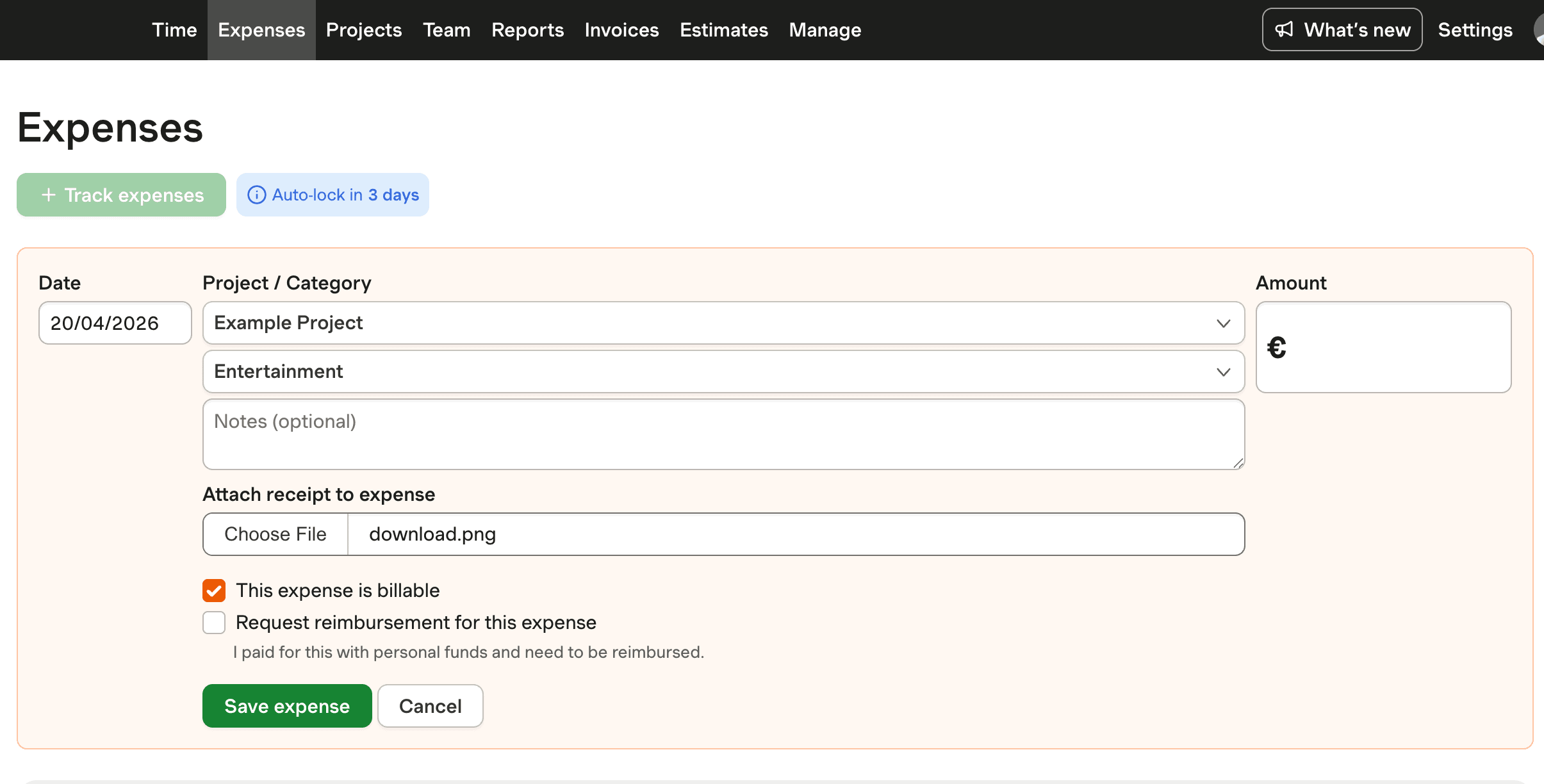
Harvest: A Project-Based Solution for Expense Management

For businesses seeking a more efficient way to manage expenses, Harvest offers a project-based expense tracking solution that integrates seamlessly with project budgets. This allows businesses to assign expenses directly to specific projects, ensuring accurate tracking and budgeting. Harvest also provides customizable expense categories, enabling administrators to tailor the system to fit their unique business needs.

This integration is particularly beneficial for small-to-medium businesses that need to maintain tight control over project costs. By including expenses in project budgets, Harvest helps businesses stay on track with financial goals, ensuring that both billable and non-billable expenses are accounted for. This capability not only enhances budget management but also supports more informed decision-making regarding project timelines and deliverables.

Optimizing Expense Tracking with Automation

The adoption of automated expense tracking solutions can lead to significant improvements in financial management. For example, a healthcare organization with 275 locations achieved a 448% ROI by implementing an automated telecom expense management solution, saving millions over several years. Such automation helps reduce manual errors, streamline processes, and combat fraud, which can account for almost 15% of employee fraud cases.

Harvest enhances this automation by allowing mobile and web-based expense tracking, though it requires manual entry of expense details. However, the ability to upload receipts as attachments provides a digital audit trail, supporting compliance with tax regulations. By leveraging these digital capabilities, businesses can improve their financial accuracy and efficiency, ultimately leading to better insights and decision-making.

Best Practices for Effective Expense Management

Implementing best practices in expense management is crucial for achieving financial efficiency. One foundational step is to separate business and personal finances by using dedicated business bank accounts and credit cards. This approach simplifies financial management and tax preparation.

Consistently categorizing expenses also plays a critical role. By creating a clear system aligned with standard tax deductions, businesses can better understand spending patterns and identify cost savings. Regular review and reconciliation of expenses ensure accurate categorization and timely error detection, enhancing overall financial transparency.

Establishing automated approval workflows and policies, such as those offered by Harvest, further ensures compliance and efficiency. These workflows help vet expenses for eligibility and documentation requirements, flagging any non-compliant items and streamlining the approval process.

Harvest for Effective Expense Tracking

See how Harvest integrates expenses into project budgets, offering customizable categories for tailored business needs.

Harvest project-based expense tracking for business efficiency.

Best Way to Track Expenses for Business FAQs

  • The most effective way to track business expenses is through automated software that integrates with existing financial systems. This reduces errors, saves time, and provides real-time insights into spending patterns. Automated solutions like Harvest offer customizable expense categories and project-based tracking.

  • Small businesses can automate expense tracking by using software like Harvest, which allows for project integration and customizable categories. Automation reduces manual entry errors and improves financial accuracy, making it easier to manage and analyze expenses.

  • Separating business and personal finances is crucial for clear financial management. It simplifies tax preparation, helps in accurately tracking business-related expenses, and ensures compliance with tax regulations. Dedicated business accounts and credit cards are recommended.

  • Customizable expense categories allow businesses to tailor tracking to their specific needs. This helps in understanding spending patterns, ensuring accurate reporting, and aligning expenses with standard tax deductions. Harvest offers this feature to enhance financial management.

  • Automation plays a significant role in reducing errors by streamlining data entry, providing real-time policy enforcement, and integrating with accounting software. This not only saves time but also improves accuracy, reducing the risk of financial discrepancies.

  • Yes, Harvest is designed to track expenses across multiple projects. It allows users to assign expenses directly to specific projects, ensuring accurate tracking and budgeting. This is particularly useful for businesses managing multiple projects simultaneously.

  • The IRS requires businesses to maintain accurate records to justify expense claims. Expenses must be for business use, and digital receipts are generally accepted for tax purposes. Proper documentation helps avoid penalties and ensures compliance.