
Harvest
Expenses
Sign up

Best Way to Track Mileage for Taxes

Harvest offers a simple way to manually track mileage expenses for projects, helping businesses manage costs effectively even if it doesn't automate IRS compliance.

  • Attach receipts to projects & tasks
  • Turn tracked expenses into client invoices
  • Free 30-day trial, no credit card needed

or drag & drop • Images and PDFs, max 10 MB

Digital Mileage Tracking: The Future of Tax Compliance

In the realm of tax compliance, digital mileage tracking has revolutionized how businesses and individuals maintain accurate records for deductions. Gone are the days of cumbersome paper logbooks; today's solutions utilize smart technology to automatically capture business miles, ensuring precision and compliance. This evolution is critical as businesses that switch to automated solutions report increased accuracy by up to 80% and employee productivity improvements of 33%.

One significant advantage of digital tracking is its ability to eliminate estimation errors. By providing precise GPS data, timestamped records, and route visualizations, these tools greatly enhance audit defensibility. For instance, a company transitioning to digital tracking saved three times the cost of their tracking contract by avoiding inflated claims and ensuring accurate reimbursements. This shift not only strengthens financial accuracy but also streamlines approval processes, reducing them by 70%, thereby saving HR teams thousands of hours annually.
Essential IRS Requirements for Mileage Logs

To maximize tax deductions, understanding IRS requirements for mileage logs is crucial. The IRS mandates that logs include the date of each trip, starting and destination locations, the business purpose, and total miles driven. While the format is flexible, the records must be consistent and complete to withstand scrutiny. Contemporaneous logging, or recording mileage at or near the time of travel, is essential to meet these standards.

Failure to comply with these requirements can lead to denied claims and potential penalties. For instance, reconstructed logs or back-dated entries may be challenged during an audit, resulting in reimbursements being reclassified as taxable income. Thus, maintaining detailed records is not just a best practice but a necessity to avoid significant financial repercussions.

Choosing the Right Mileage Tracking Method

When selecting a mileage tracking method, taxpayers have two main options: the standard mileage rate or the actual expenses method. The standard mileage rate for 2025 is set at 70 cents per business mile and requires only simple mileage logs. In contrast, the actual expenses method requires detailed tracking of all vehicle-related costs, such as fuel and repairs, and once chosen, it must be used for the vehicle's entire life.

Regardless of the method, it's important to log essential data like trip dates, specific business purposes, and annual odometer readings. Automated mileage tracking tools are highly recommended to simplify this process. These tools not only reduce manual data entry errors but also integrate seamlessly with broader expense management systems, ensuring all travel expenses are accurately captured.

Manual Mileage Tracking with Harvest

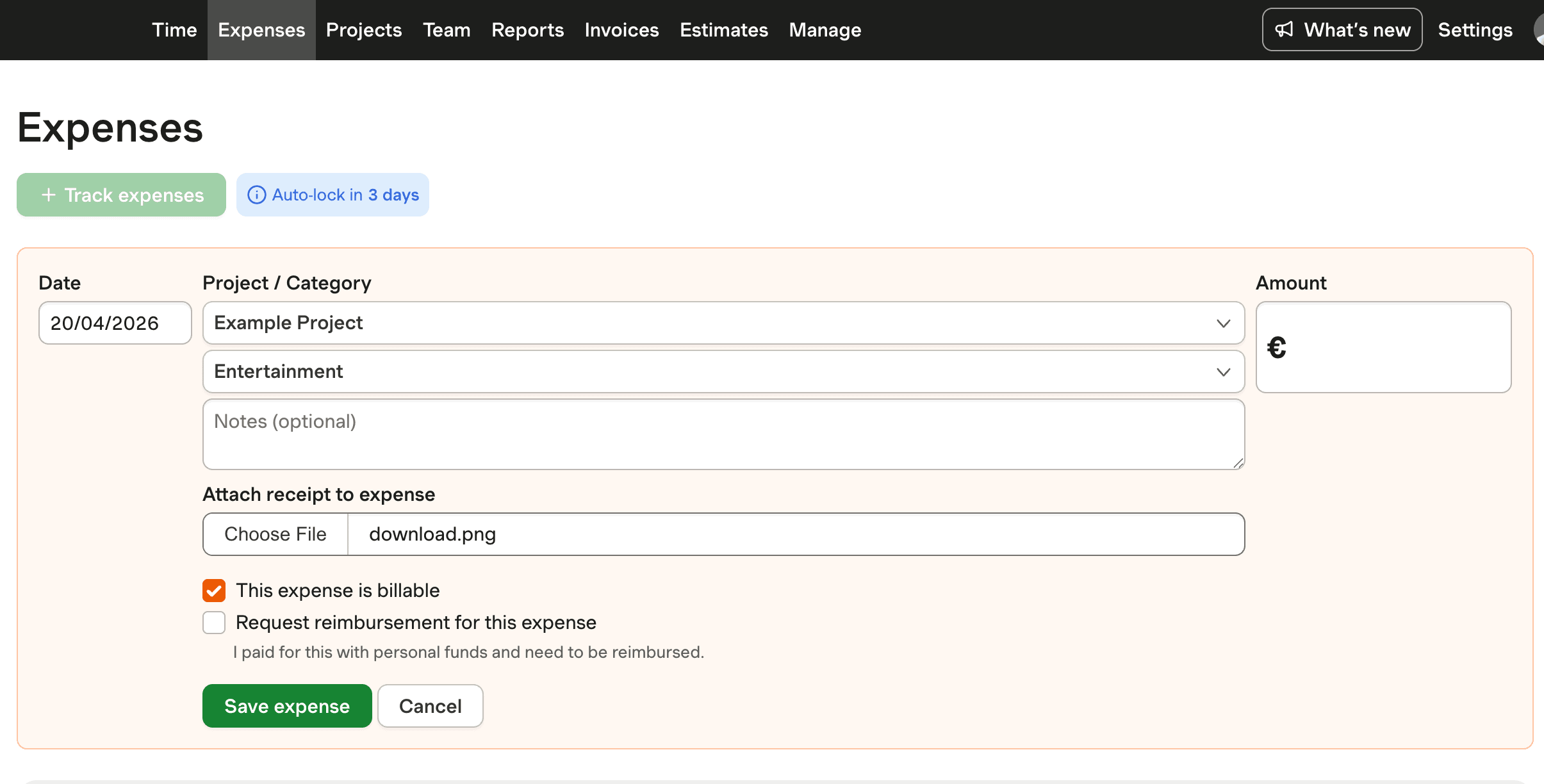
While automated solutions offer comprehensive features, Harvest provides a straightforward way to manually track mileage expenses for projects. By creating a mileage expense category with a per-mile rate, users can manage mileage costs efficiently. However, it's important to note that Harvest is not designed for IRS compliance or automatic mileage tracking. Users seeking detailed IRS-compliant logs would need to supplement Harvest's capabilities with additional record-keeping practices.

Despite its limitations in automatic tracking, Harvest's focus on project-based expense tracking makes it a valuable tool for businesses looking to manage overall expenses effectively. By ensuring that all project-related costs, including mileage, are accounted for, Harvest helps businesses maintain financial accuracy and control over their budgets.

Track Mileage with Harvest

See how Harvest helps track mileage expenses for projects, offering a simple manual solution to manage costs effectively.

Screenshot of Harvest's mileage expense tracking feature for tax purposes.

Best Way to Track Mileage for Taxes FAQs

  • The IRS requires mileage logs to include the date, start and end locations, business purpose, and total miles driven. Logs must be recorded contemporaneously to ensure compliance.

  • To make your mileage log audit-proof, record details contemporaneously, maintain complete and consistent records, and avoid estimations. Automated tools can enhance accuracy and audit defensibility.

  • For tax deductions, record the date of each trip, starting and ending locations, the business purpose, and the total miles driven. Annual odometer readings are also recommended.

  • Yes, you can use a paper log, but it must be complete and consistent. Automated apps are recommended for accuracy and ease of use, as they reduce manual entry errors.

  • Digital mileage tracking is recommended because it provides precise GPS data, reduces errors, enhances audit defensibility, and saves time. Businesses have reported significant savings and productivity gains.

  • Harvest allows users to manually track mileage expenses by creating a mileage expense category with a per-mile rate, aiding in project-based expense management.

  • Common mistakes include untimely logging, including non-deductible miles, and claiming 100% business usage. It's crucial to maintain accurate and contemporaneous records to avoid issues.

  • The standard mileage rate method is simpler, requiring only mileage logs, while the actual expenses method involves tracking all vehicle-related costs. Choose based on your specific needs and vehicle usage.