
Harvest
Expenses
Sign up

How to Track Mileage for Business

Harvest offers a straightforward solution for manually tracking mileage expenses, ideal for small businesses needing simple project-based tracking.

  • Attach receipts to projects & tasks
  • Turn tracked expenses into client invoices
  • Free 30-day trial, no credit card needed

or drag & drop • Images and PDFs, max 10 MB

Understanding IRS Requirements for Mileage Tracking

To effectively track mileage for business purposes, understanding IRS requirements is crucial. The IRS mandates that businesses maintain detailed mileage logs for a minimum of three years from the tax return date. Essential details include the number of miles driven, trip dates, starting and finishing locations, and the business purpose. While not required for each trip, odometer readings should be recorded at the beginning and end of each tax year. Failing to adhere to these regulations can lead to disallowed deductions and potential penalties.

Despite these stringent requirements, many businesses still rely on manual methods like spreadsheets or handwritten logs, which are prone to inaccuracies. Studies reveal that manual mileage logs can result in overreporting by as much as 29%. In contrast, automated mileage tracking solutions can significantly reduce errors, ensuring compliance and maximizing tax deductions.
Manual vs. Automated Mileage Tracking

The shift from manual to automated mileage tracking is a growing trend among businesses seeking efficiency and accuracy. Manual tracking methods, such as using spreadsheets, are time-consuming and prone to errors. In contrast, automated solutions provide precise data by leveraging GPS and AI technology, which can reduce reporting errors and save thousands of hours annually.

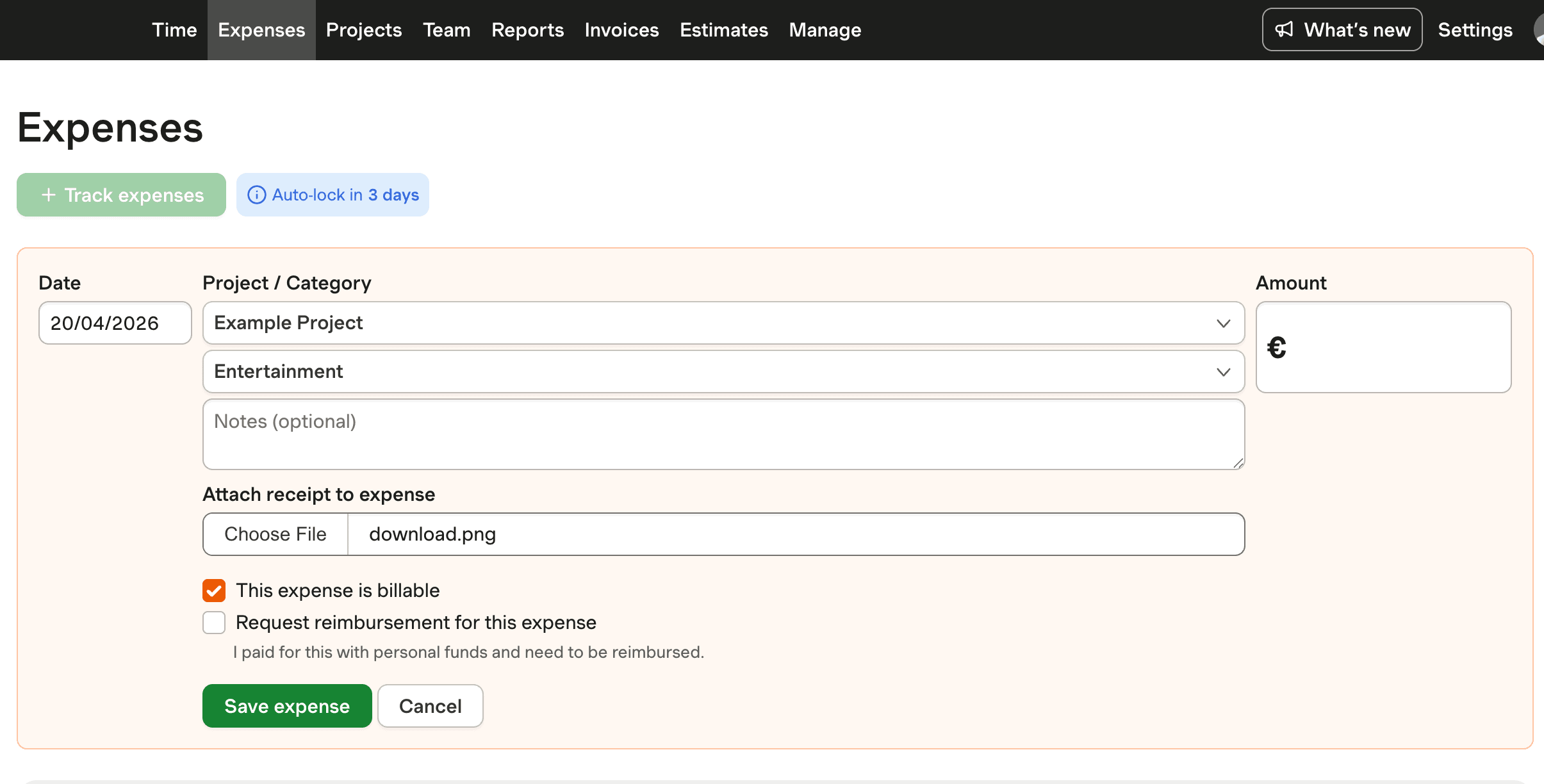
Harvest offers a straightforward approach for small businesses that prefer manual tracking. By allowing users to enter mileage as an expense category, Harvest facilitates project-based expense tracking. This approach is particularly beneficial for businesses that do not need automated tracking but still want to maintain organized and accurate records.

Maximizing Cost Savings with Digital Solutions

Automated mileage tracking can lead to substantial cost savings and improved productivity. Businesses that have transitioned from manual logs to digital solutions report significant financial benefits. For instance, a company saved $382,000 annually by switching to a Fixed and Variable Rate (FAVR) reimbursement program supported by automated tracking.

While Harvest does not automate mileage tracking, it integrates seamlessly with broader expense management workflows, providing a centralized platform for all project-based expenses. This integration aids in financial accountability and streamlines the auditing process, making it easier for finance teams to validate expenses and reduce fraud risk.

Best Practices for Effective Mileage Tracking

To ensure effective mileage tracking, businesses should implement best practices that prioritize accuracy and compliance. Establishing clear reimbursement policies and leveraging automated tools are key strategies. Automated solutions capture precise trip data, minimizing the need for manual entries and reducing errors.

Harvest supports manual entry of mileage expenses, allowing businesses to track project-based expenses with ease. Although it doesn't automate the process, Harvest’s simplicity makes it a viable option for small businesses looking to maintain accurate records without the complexity of full automation.

Track Business Mileage with Harvest

Explore how Harvest helps small businesses manually track mileage expenses for accurate project-based tracking.

Screenshot of Harvest showing manual mileage expense tracking.

How to Track Mileage for Business FAQs

  • The IRS requires businesses to keep detailed mileage logs for at least three years, including trip dates, starting and ending locations, miles driven, and business purposes. Odometer readings are also recommended annually.

  • Manual logs, like spreadsheets, are prone to errors and time-consuming, often leading to inaccuracies. Automated apps use GPS and AI for precise data, reducing errors and saving time.

  • Yes, Harvest allows users to manually enter mileage as an expense category, providing a simple solution for small businesses needing project-based tracking without automation.

  • Automated mileage tracking offers precise data collection, reduced errors, and significant time savings. Businesses can save thousands of hours annually, boosting productivity and compliance.

  • A mileage log should include the date of the trip, start and end locations, miles driven, and the business purpose. Recording odometer readings at the start and end of the year is also advised.

  • Accurate mileage tracking ensures compliance with IRS standards, maximizing deductions. Using automated tools reduces errors and ensures precise record-keeping, enhancing deduction claims.

  • Businesses should establish clear reimbursement policies, use automated tools for accuracy, and maintain detailed logs. Harvest offers a simple manual entry option for small businesses.