
Harvest
Expenses
Sign up

Expense Allocation System

Harvest simplifies project-based expense tracking for small-to-medium businesses, helping reduce manual errors that can cause a 15-20% loss in billable income.

EXPENSE REPORT DRAFT

Drop your receipts here or click to upload

Images and PDFs (max 10 MB each)

Date
Category
Merchant
Description
Amount
Total
$0.00

Customise report

Appearance

Show report title

Report settings

The Challenges of Manual Expense Allocation

Expense allocation is a critical task for organizations, particularly in sectors like private equity and hedge fund management, where precision is paramount. Manual processes often lead to errors, with up to 80% of timesheets containing inaccuracies that can result in significant financial discrepancies. These errors can cause a 15-20% loss in billable income, highlighting the need for a more reliable solution.

Moreover, manual allocation is time-consuming, with finance teams spending up to 40% of their time on tasks that could be automated. This inefficiency not only drains resources but also increases the likelihood of regulatory non-compliance, which can lead to fines ranging from $400,000 to $30 million for hedge funds. Clearly, the stakes are high, and organizations must seek systems that minimize human error while maximizing accuracy and compliance.
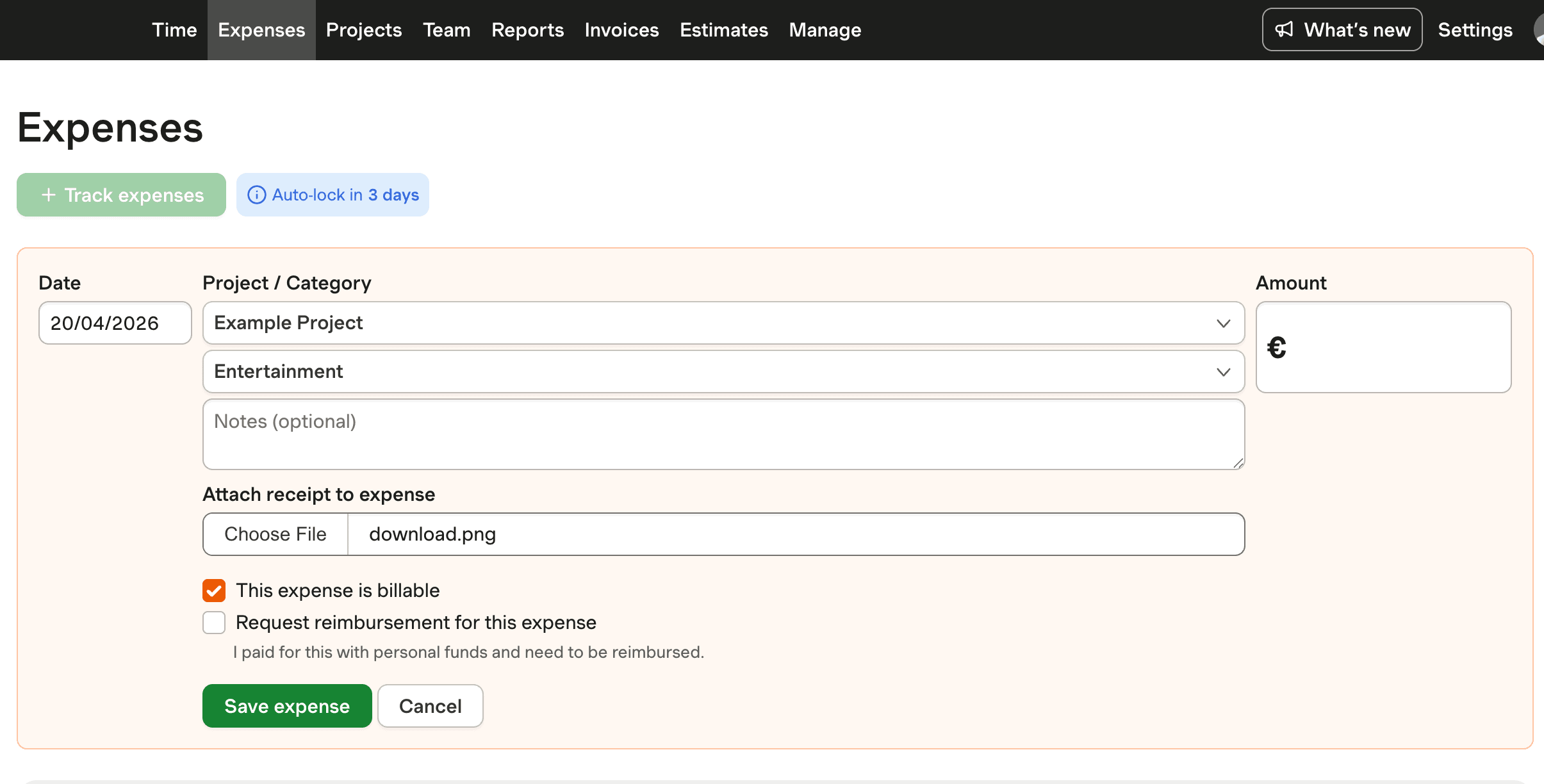
How Harvest Simplifies Expense Tracking

Harvest addresses the challenges of manual expense tracking with its intuitive project-based expense management system, tailored for small-to-medium businesses. While it does not automate complex fund structures or ensure SEC compliance, it allows for meticulous project expense tracking and invoicing. This is ideal for businesses seeking to streamline their manual processes.

With Harvest, users can track expenses across multiple projects, ensuring that costs are allocated accurately. The system supports manual receipt uploads and integrates seamlessly with QuickBooks and Xero, allowing for efficient invoicing and financial management. This integration is crucial for real-time expense monitoring and maintaining up-to-date financial data.

Benefits of Integrating Harvest with Your Financial System

Integrating Harvest with existing financial systems offers multiple benefits, particularly for businesses focusing on project-based expense tracking. By syncing Harvest with ERP systems, companies can achieve real-time synchronization of expense transactions, improving budget tracking and facilitating faster approvals.

This integration allows for seamless mapping of custom fields, ensuring that specific data points like department or project codes are accurately captured and reflected in financial reports. Such capabilities reduce the need for manual data entry and support clearer audit trails, enhancing overall financial transparency and operational efficiency.

Practical Steps for Effective Expense Allocation

To effectively manage expenses, businesses should follow a structured approach to allocation. This involves four key steps: (1) identifying program services and supporting activities, (2) distinguishing between direct and indirect expenses, (3) selecting appropriate allocation methods, and (4) applying these methods consistently.

Common allocation methods include direct usage, employee headcount, and revenue-based allocation. For businesses using Harvest, the emphasis on project-level tracking allows for detailed allocation based on actual project expenses. This approach ensures that costs are assigned accurately and transparently, supporting better financial decision-making.

The Role of Automation and Technology in Expense Allocation

Automation and technology play a pivotal role in modernizing expense allocation processes. Systems that integrate AI and cloud-based solutions can significantly reduce manual effort and improve accuracy. While Harvest does not offer AI-driven allocation or automated fund management, its straightforward interface and integration capabilities make it a valuable tool for businesses needing manual project expense tracking.

By leveraging such technology, businesses can streamline their expense management, reduce errors, and ensure compliance with financial regulations. The use of technology in expense allocation not only saves time but also supports more strategic financial planning and reporting.

Optimize Expense Management with Harvest

Explore Harvest's project-based expense tracking system designed for precise manual management and invoicing, integrating with QuickBooks and Xero.

Harvest interface showing expense allocation features

Expense Allocation System FAQs

  • An effective expense allocation system should automate the tracking and distribution of costs across departments or projects. Key features include real-time data synchronization, integration with financial systems, and customizable reporting. While Harvest focuses on project-based expense tracking and manual invoicing, it integrates seamlessly with accounting software for streamlined financial management.

  • Automation improves accuracy by reducing manual data entry errors, which can account for up to 80% of inaccuracies in financial reports. It also frees up resources, allowing finance teams to focus on strategic tasks rather than manual processes. Automated systems can also ensure compliance with financial regulations by providing real-time data and audit trails.

  • Yes, Harvest integrates with popular accounting software like QuickBooks and Xero, facilitating seamless invoicing and financial management. This integration helps maintain real-time financial data and reduces the need for manual data entry, enhancing accuracy and efficiency.

  • Common methods include direct usage, employee headcount, square footage, and activity-based costing. These methods ensure expenses are allocated accurately and transparently. Harvest supports project-level tracking, which helps businesses allocate costs based on actual project expenses.

  • Accurate expense allocation is crucial for hedge funds to ensure transparency and fairness to investors. Misallocation can lead to significant SEC fines, ranging from $400,000 to $30 million. Precise allocation helps maintain investor trust and regulatory compliance.

  • Real-time synchronization ensures that all financial data is current across platforms, improving budget tracking and enabling faster approvals. This feature helps businesses maintain accurate financial records and supports efficient expense management.

  • Effective expense allocation involves identifying program services, distinguishing direct from indirect expenses, selecting appropriate allocation methods, and consistently applying these methods. This structured approach helps maintain accuracy and transparency in financial management.