
Harvest
Expenses
Sign up

Expense Analysis Report Sample

Harvest provides detailed, project-based expense tracking, helping businesses manage and optimize their spending efficiently, reducing costs by up to 15-20%.

EXPENSE REPORT DRAFT

Drop your receipts here or click to upload

Images and PDFs (max 10 MB each)

Date
Category
Merchant
Description
Amount
Total
$0.00

Customise report

Appearance

Show report title

Report settings

Understanding Expense Analysis Reports

An expense analysis report is essential for businesses to track, control, and optimize their spending. These reports have evolved from manual spreadsheets to sophisticated digital solutions, offering significant benefits in cost savings, productivity, and compliance. For instance, companies performing regular spend analyses can reduce procurement costs by 10-15% through improved negotiations and consolidated purchases. Additionally, real-time expense tracking often results in a 15-20% reduction in travel and entertainment spending due to enhanced visibility.

Despite these advancements, many businesses still struggle with manual processes that hinder productivity. A single expense report can take an average of 20 minutes to complete, translating to over 40 hours a year for employees submitting ten reports monthly. By automating expense management, businesses can free up this time for more value-driven tasks. With these insights, Harvest provides a robust solution for businesses seeking to streamline their expense tracking.
Components of an Effective Expense Analysis Report

To create an effective expense analysis report, businesses should include several key components. First, gather all financial data such as invoices, receipts, and bank statements. Next, categorize and classify expenses using a standard chart of accounts to identify patterns, trends, and anomalies. Comparing current spending with previous periods and industry benchmarks can provide actionable insights.

Using Harvest, businesses can achieve a detailed breakdown of expenses by category, allowing project managers to effectively track and manage expenses. While Harvest does not offer visual representations of trends over time, users can export comprehensive reports to manually analyze these trends. This process not only aids in understanding spending patterns but also in improving budget forecast accuracy by up to 25%.

Customizing Expense Reports with Harvest

Customizing expense reports to fit specific business needs is crucial for accurate and meaningful analysis. While Harvest does not provide industry-specific templates, its flexible expense tracking module can be adapted to various project requirements. Users can manually track expenses by project and category, which can serve as valuable budgeting insights even without automated analysis of employee spending habits.

Furthermore, integrating expense analysis with other business processes like budgeting and financial planning can enhance strategic decision-making. Although Harvest does not integrate directly with financial forecasting tools, exporting reports for manual integration is straightforward, ensuring that your financial data seamlessly aligns with broader business strategies.

Best Practices for Expense Analysis

Implementing best practices in expense analysis can vastly improve financial management. Start by ensuring all expenses are supported by receipts, especially those over $75, to comply with IRS guidelines. Automating expense categorization and receipt scanning can reduce manual effort and increase accuracy, leading to a 40% reduction in month-end closing time.

Businesses should also establish clear, concise reimbursement policies to prevent misuse and ensure compliance. Automated systems, like those provided by Harvest, can help enforce these policies with real-time alerts, reducing policy violations by up to 30%. By following these practices, organizations can not only cut costs but also "spend with intention," improving margins and cash flow.

Explore Expense Reporting with Harvest

Discover how Harvest's project-based tracking aids in creating effective expense reports, optimizing spending, and improving budget accuracy.

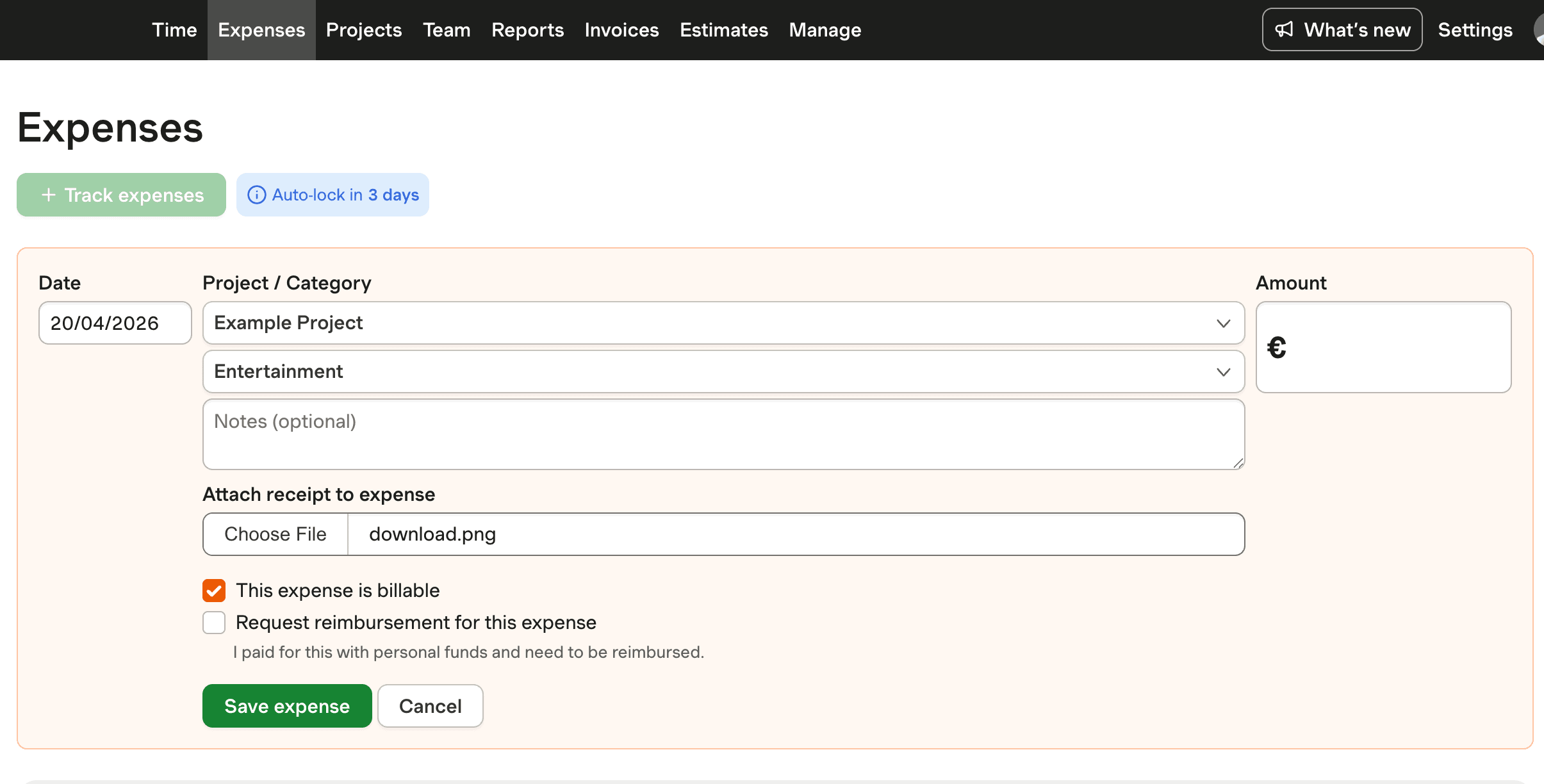
Harvest expense analysis report sample screenshot.

Expense Analysis Report Sample FAQs

  • An expense analysis report should include all relevant financial data such as invoices and receipts, categorized expenses, identified patterns, and comparisons to previous periods and benchmarks. This information helps in making informed financial decisions.

  • Automating expense management can significantly reduce manual effort, improve accuracy, and save time. For example, companies can cut the time spent on month-end processes by 40% and reduce policy violations by 30% with real-time feedback systems.

  • Real-time expense tracking can lead to a 25% improvement in budget forecast accuracy. This allows businesses to dynamically reallocate resources and intervene proactively when spending trends suggest potential overruns.

  • Clear reimbursement policies prevent misuse and ensure compliance. Using simple language and regularly updating these policies can reduce misinterpretation and policy violations, thereby protecting the organization from financial discrepancies.

  • Harvest offers detailed breakdowns of expenses by category, enabling project managers to efficiently track and manage project-specific costs. This feature helps in maintaining accurate financial oversight.

  • While Harvest doesn't integrate directly with financial forecasting tools, it allows users to export reports for manual integration, ensuring that financial data aligns with broader business strategies.