
Harvest
Expenses
Sign up

Expense Audit Report

Expense reimbursement fraud costs businesses billions annually, but Harvest offers a straightforward system for tracking and documenting expenses to ensure compliance and accuracy.

  • Attach receipts to projects & tasks
  • Turn tracked expenses into client invoices
  • Free 30-day trial, no credit card needed

or drag & drop • Images and PDFs, max 10 MB

Understanding the Importance of Expense Audit Reports

Expense audit reports are critical for businesses to ensure financial accuracy, compliance, and fraud prevention. These reports systematically review company spending, verifying that expenses align with internal policies and tax regulations. For example, expense reimbursement fraud accounts for 13% of global fraud cases, with a median loss of $50,000 annually. Identifying and addressing such irregularities early can save businesses substantial amounts, as business travel fraud alone costs approximately $1.9 billion each year.

Moreover, the IRS mandates proper documentation for expenses to prevent disallowed deductions and potential penalties. In Australia, similar guidelines require individuals to keep records for five years to substantiate work-related expenses. By maintaining accurate and thorough expense audit reports, businesses can avoid these costly pitfalls and ensure compliance with both domestic and international regulations.
Best Practices for Conducting an Effective Expense Audit

The key to conducting a successful expense audit lies in a structured approach. Start by identifying and tracking all expenses, gathering data such as receipts, invoices, and credit card statements. A typical audit process involves four steps: identifying and tracking expenses, reviewing and verifying them, reconciling discrepancies, and documenting findings. This method not only ensures thoroughness but also facilitates the detection of anomalies such as duplicate receipts or inflated expenses.

Common mistakes include vague policy language and inadequate oversight, leading to potential abuse or "below the radar" operations by executives. To mitigate these risks, it's crucial to define policy terms clearly and mandate receipt submissions for all expenses. Implementing mobile apps for instant uploads can also enhance accuracy and reduce the risk of lost documentation. For instance, some companies have saved 12% on annual costs by identifying and addressing spending redundancies during audits.

Leveraging Harvest for Expense Tracking and Reporting

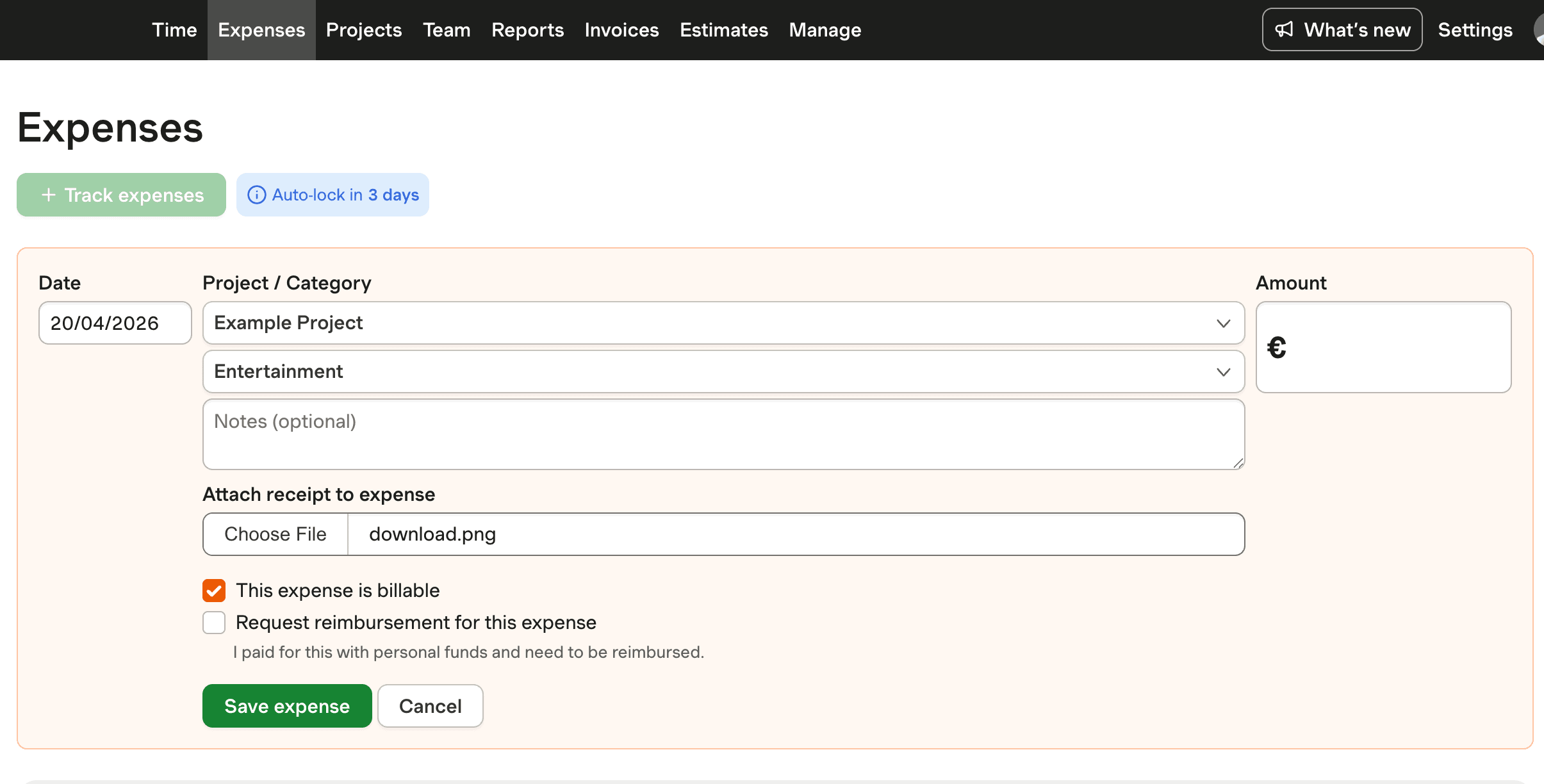
Harvest provides a straightforward solution for businesses aiming to streamline their expense tracking and reporting processes. While it doesn't offer automated fraud detection, Harvest excels in manual documentation and reconciliation. Users can easily upload receipt images and categorize expenses, which aids in compliance and validation. This capability is crucial for businesses needing to ensure that every expense aligns with company policies and tax obligations.

In addition, Harvest supports the reconciliation of discrepancies found during audits by allowing users to review and edit entries within detailed expense reports. This manual review process, integrated with the weekly timesheet approval, helps reduce errors by ensuring all entries are thoroughly checked. By utilizing Harvest's features, businesses can improve their expense management practices, ensuring accuracy and compliance in their financial reporting.

Challenges and Solutions in Expense Auditing

Expense auditing presents several challenges, including the risk of missing receipts and inadequate oversight. These issues can lead to compliance concerns and hinder the audit process. For instance, missing documentation can result in audit penalties or deductions being disallowed. To address this, businesses should adopt digital storage solutions and mobile receipt capture to eliminate the "shoebox problem" of misplaced receipts.

Another common challenge is the interpretation of vague policy language, which can cause internal friction. For example, a company reimbursed a $1,200 dinner labeled as "team-building," leading to disputes. The solution is to set clear policy terms with hard cutoffs, ensuring consistency and preventing abuse. By addressing these challenges proactively, businesses can enhance the effectiveness of their expense audits, leading to better financial oversight and resource allocation.

Streamline Expense Audits with Harvest

Harvest simplifies expense tracking and reporting, ensuring compliance and accuracy in your audit reports.

Harvest expense tracking dashboard for audit reports

Expense Audit Report FAQs

  • Conducting an expense audit involves four key steps: identifying and tracking expenses, reviewing and verifying them, reconciling discrepancies, and documenting findings. This systematic approach ensures thoroughness and effectiveness.

  • Common mistakes include vague policy language, missing receipts, and mixing personal with business expenses. To avoid these, mandate clear policy definitions, use digital tools for receipt uploads, and ensure all expenses are properly categorized.

  • Harvest allows users to document expenses by uploading receipt images and categorizing them. This helps in maintaining compliance with internal policies and tax regulations, ensuring all expenses are validated properly.

  • Compliance requires proper documentation to substantiate that expenses have a legitimate business purpose. In the US, the IRS mandates keeping adequate records, while Australian regulations require records to be kept for five years.

  • While Harvest doesn't use automation, many enterprises find that automated solutions boost efficiency, reduce processing times, and enhance real-time spend visibility. Automation can also minimize manual entry errors.

  • Challenges include missing receipts and vague policy language. Solutions involve digital storage, clear policy definitions, and tools like Harvest for manual review and reconciliation to ensure compliance and accuracy.

  • Harvest allows users to reconcile discrepancies by reviewing and editing entries in detailed reports. This manual process ensures all expenses align with company policies and are accurately documented.