
Harvest
Expenses
Sign up

Expense Management for Project Managers

Harvest empowers project managers with a flexible cost structure and detailed reporting, addressing common challenges of budget overruns and financial mismanagement.

EXPENSE REPORT DRAFT

Drop your receipts here or click to upload

Images and PDFs (max 10 MB each)

Date
Category
Merchant
Description
Amount
Total
$0.00

Customise report

Appearance

Show report title

Report settings

The Challenge of Managing Project Expenses Effectively

Managing project expenses efficiently is a significant challenge for project managers. The prevalence of budget overruns is a major concern, with 55% of project managers citing them as a reason for project failure, and one in six projects experiencing a cost overrun of 200%. Inaccurate tracking can exacerbate these issues, costing U.S. businesses an estimated $7.8 billion annually. Companies spend approximately 3,000 hours each year fixing expense report errors, each costing around €48 ($52). This highlights the critical need for accurate and efficient expense management systems.

To combat these challenges, the industry is moving towards automated, real-time solutions. Automated expense management platforms not only reduce the time spent on managing expenses but also provide real-time visibility into spending, enabling quicker decision-making and more agile financial planning. These solutions are essential for maintaining control over project budgets and ensuring projects are delivered on time and within financial constraints.
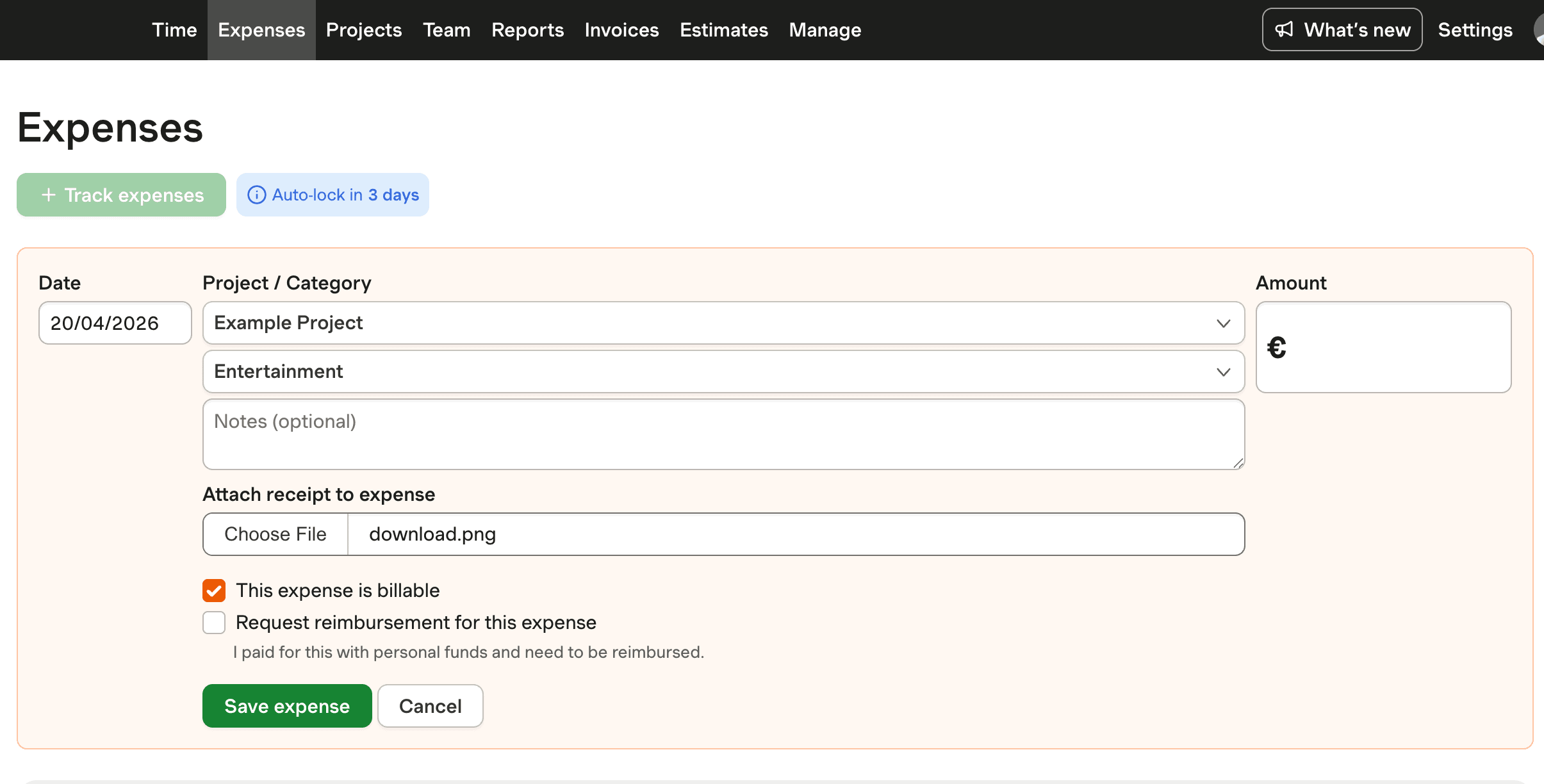
Harvest's Flexible Cost Structure and Reporting

Harvest offers a robust solution for project managers seeking to manage expenses with efficiency and precision. One of its core strengths lies in its flexible cost structure, allowing the customization of categories with unit prices specifically tailored to project-related costs. This adaptability ensures that every expense is accurately tracked and categorized, facilitating precise job costing and financial oversight.

Additionally, Harvest excels in providing detailed reporting features that are crucial for project managers. These reports can be filtered and exported to answer practical questions, providing insights into spending patterns and financial health. By leveraging Harvest's reporting capabilities, project managers can maintain a clear view of their project's financial status, helping mitigate the risk of budget overruns and ensuring compliance with financial targets.

Enhancing Project Management Through Real-time Tracking

Real-time tracking and monitoring are vital for project managers aiming to maintain control over project expenses. While Harvest does not offer real-time tracking tied directly to a project plan, it supports tracking expenses by project. This allows for immediate visibility into spending patterns, enabling project managers to identify and address deviations early.

Regular expense reviews, facilitated by Harvest, are crucial for spotting unusual spending patterns or emerging budget risks. By integrating expense management with other business processes, such as time tracking and task progress, Harvest provides a more comprehensive view of total project costs. This integration helps project managers understand both financial and delivery performance, supporting proactive financial governance.

Streamlining Expense Management in Construction and Professional Services

In industries like construction and professional services, effective expense management is paramount. Construction projects, in particular, face unique challenges due to frequent on-the-go purchases and the need for precise job costing. Poor expense management can leak almost 10% of a company's total spend, impacting profitability.

Harvest addresses these challenges by allowing expense tracking per project, although it lacks multi-project controls. For professional services, differentiating between billable and non-billable expenses is crucial. Harvest's detailed reporting aids in this differentiation, helping firms maintain profitability and prevent budget excesses. By adopting Harvest, companies can streamline their expense management processes, ensuring tighter controls and improved financial outcomes.

Expense Management for Project Managers with Harvest

Explore how Harvest provides flexible expense tracking and detailed reporting for project managers, ensuring projects stay within budget.

Harvest dashboard showing project expense management features for managers.

Expense Management for Project Managers FAQs

  • Common challenges include budget overruns, inaccurate tracking, and inefficient manual processes. Budget overruns affect 55% of projects, and inaccuracies can cost businesses $7.8 billion annually. Automation can help mitigate these issues by providing real-time visibility and reducing manual effort.

  • Harvest helps project managers by offering a flexible cost structure that allows custom categories for project-related costs. Its detailed reporting features enable managers to track spending and answer practical financial questions, ensuring better budget control.

  • Real-time tracking allows project managers to gain immediate visibility into spending patterns, enabling early detection of budget deviations. This proactive approach helps prevent budget overruns and ensures timely corrective actions.

  • While Harvest integrates with QuickBooks Online and Xero for invoices, it does not integrate expenses with existing accounting systems. However, its detailed reporting and flexible cost structure offer significant value for managing project expenses.

  • Project managers are central to cost control, ensuring projects stay within budget and resources are used efficiently. They communicate budget information to stakeholders and utilize tools like Harvest to maintain financial oversight and decision-making.

  • Harvest supports the construction industry by allowing project-based expense tracking, crucial for accurate job costing. While it lacks multi-project controls, its flexible cost structure and reporting features help manage expenses effectively.

  • Automated solutions reduce manual data entry, improve policy enforcement, and provide real-time visibility into expenses. This leads to lower processing costs, quicker reimbursements, and enhanced financial governance.