
Harvest
Expenses
Sign up

Mileage Instacart

Harvest helps Instacart shoppers track mileage expenses manually, ensuring accurate records for maximum tax savings. Avoid potential IRS pitfalls with precise logging.

EXPENSE REPORT DRAFT

Drop your receipts here or click to upload

Images and PDFs (max 10 MB each)

Date
Category
Merchant
Description
Amount
Total
$0.00

Customise report

Appearance

Show report title

Report settings

Understanding Deductible Mileage for Instacart Shoppers

For Instacart shoppers, accurately tracking and deducting mileage is crucial to maximizing tax savings. According to IRS guidelines, deductible mileage includes travel costs directly related to business activities. This means that while driving from the store to a customer's location is deductible, commuting from home to the first delivery or back home after the last delivery is typically not. Misunderstanding these distinctions can lead to missed deductions, potentially costing gig workers up to $7,000 annually in lost tax savings.

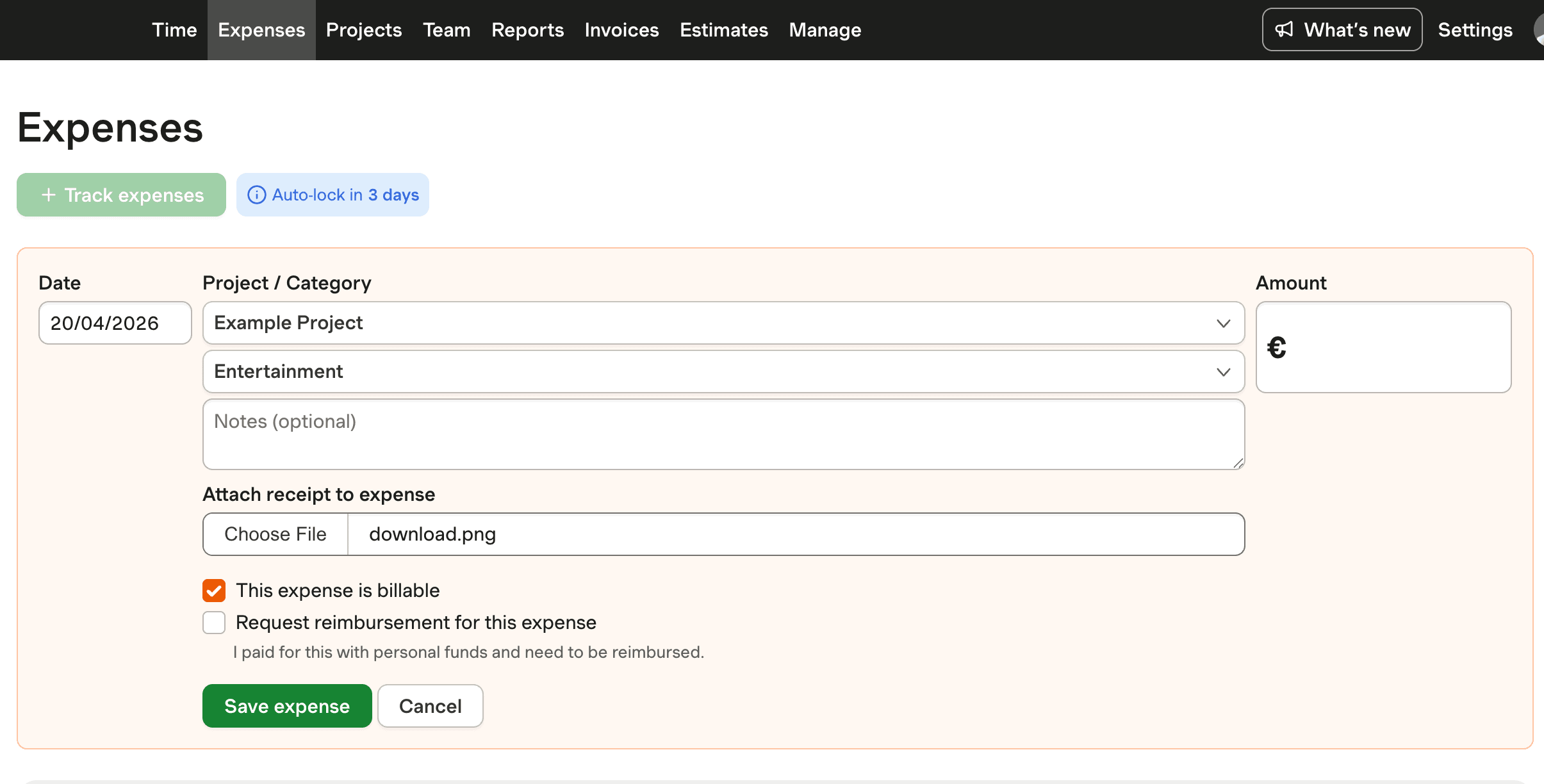
Harvest offers a straightforward way to track mileage expenses manually, which can be particularly beneficial for small businesses and freelancers. By entering the mileage quantity and applying a unit price, users can maintain a clear record of their travel-related expenses. This method aligns with the IRS's requirement for contemporaneous records, helping Instacart shoppers ensure their logs meet necessary standards.
Automated vs. Manual Mileage Tracking: What Works Best?

As the gig economy grows, with 58% of workers engaging in "multi-apping," the accuracy of mileage tracking becomes even more critical. While many delivery platforms track only active delivery miles, automated mileage tracking solutions can capture an additional 20-30% of deductible miles, leading to significant tax savings. However, these solutions may not always align with the needs of every gig worker, particularly those who prefer a simple, project-based approach.

Harvest provides an effective solution for those who prefer manual tracking. By allowing users to manually enter mileage data and assign a unit price, Harvest enables precise expense tracking without relying on automated systems. This can be particularly advantageous for users who prioritize control over their data and wish to avoid potential inaccuracies associated with automated tracking.

IRS Requirements for Mileage Logs and How Harvest Helps

The IRS mandates that self-employed individuals maintain detailed mileage logs to qualify for deductions. These logs must include the date, destination, purpose of the trip, and miles driven. Odometer readings at the beginning and end of each tax year are also required. Failure to adhere to these requirements can result in denied deductions and penalties.

While Harvest does not offer specific compliance features for IRS mileage log requirements, it facilitates manual expense tracking, allowing users to input necessary data for each trip. By entering mileage as an expense with a unit price, Instacart shoppers can organize their records in a manner that aligns with IRS expectations. This ensures that even without automated compliance tools, users can maintain accurate and thorough logs to support their tax filings.

Maximizing Tax Deductions with Accurate Mileage Tracking

Accurate mileage tracking is essential for Instacart shoppers aiming to maximize tax deductions. With the IRS standard mileage rate at 72.5 cents per business mile in 2026, even small lapses in tracking can lead to substantial lost savings. For instance, neglecting to log 100 miles could mean missing out on $70 worth of deductions.

Harvest provides a practical method for capturing these deductions by enabling users to track mileage expenses manually. By setting a unit price per mile, Instacart shoppers can ensure each business mile is accounted for, minimizing the risk of overlooked deductions. This approach is particularly suited to those who prefer detailed control over their financial records, helping to prevent costly errors associated with manual estimation and rounding.

Avoiding Common Mileage Tracking Mistakes

Common mistakes in mileage tracking include estimating miles from memory, claiming 100% business use without documentation, and including non-deductible commuting miles. Such errors can lead to denied deductions and IRS audits. Automated tracking apps mitigate these issues by providing real-time, accurate logs.

While Harvest does not offer automated tracking, it supports users in maintaining precise records through manual entry. By clearly distinguishing between business and personal trips and setting a unit price for mileage, users can ensure compliance with IRS standards. This manual approach, when executed diligently, helps Instacart shoppers avoid the pitfalls of inaccurate mileage logs, securing their rightful tax deductions.

Track Mileage with Harvest

Harvest supports Instacart shoppers in tracking mileage expenses manually. Maintain accurate logs for tax deductions effortlessly.

Harvest mileage tracking interface for Instacart shoppers

Mileage Instacart FAQs

  • Instacart shoppers can deduct mileage related to business activities, such as driving from the store to a customer's location. However, commuting between home and the first or last delivery is generally not deductible. Accurate records are essential to ensure all eligible miles are claimed.

  • Instacart shoppers should maintain detailed records of each trip, including the date, destination, purpose, and miles driven. Harvest allows users to manually enter mileage as an expense with a unit price, helping keep track of expenses for tax purposes.

  • The IRS requires contemporaneous records for mileage deductions, including the date, destination, business purpose, and miles driven. Additionally, odometer readings at the start and end of the year must be recorded. Accurate logs are crucial to avoid denied deductions and penalties.

  • The standard mileage rate is often simpler and can result in higher deductions for older vehicles. However, the actual expenses method may be more beneficial for newer vehicles with higher costs. Harvest allows you to track mileage expenses manually, aiding in the decision-making process.

  • Common mistakes include estimating miles from memory, claiming 100% business use without documentation, and logging non-deductible commuting miles. To avoid these errors, maintain accurate, real-time records of each trip.

  • Yes, Harvest can help by allowing you to manually track mileage expenses. By entering mileage as an expense with a unit price, you can maintain detailed records aligned with tax requirements, ensuring accurate deductions.

  • Harvest supports accurate tracking by enabling users to record mileage expenses manually. This feature helps ensure that every business mile is logged, maximizing tax deductions and maintaining compliance with IRS standards.