
Harvest
Expenses
Sign up

How to Track Expenses for Multiple Clients

Harvest is a vital tool for tracking expenses across multiple clients, offering project-specific tagging to ensure accurate allocation and reporting. This enhances precision and transparency in billing, crucial for maintaining client trust.

EXPENSE REPORT DRAFT

Drop your receipts here or click to upload

Images and PDFs (max 10 MB each)

Date
Category
Merchant
Description
Amount
Total
$0.00

Customise report

Appearance

Show report title

Report settings

Challenges of Tracking Expenses for Multiple Clients

Tracking expenses across multiple clients is a complex task that demands precision and organization. Businesses often grapple with the challenges of manually managing expenses, which can lead to errors and inefficiencies. For instance, studies show that traditional methods relying on paper receipts and spreadsheets can be time-consuming and error-prone, contributing to significant financial leakage. In fact, one company reported saving $95,000 in one-time credits and achieving $900,000 in annualized savings by eliminating redundancy in their expense management processes. These challenges highlight the critical need for an automated system that streamlines expense tracking.

The shift towards automation and cloud-based systems offers a promising solution. Automated expense management systems enhance accuracy, reduce fraud, and increase efficiency by providing real-time visibility and AI-driven insights. For example, a company managed to cut reconciliation time by 75%, reducing 40 hours of work to just 10 hours per month through automated tracking. Businesses that embrace these technologies can expect substantial time savings, improved compliance, and better financial insights.
How Harvest Simplifies Expense Tracking for Multiple Clients

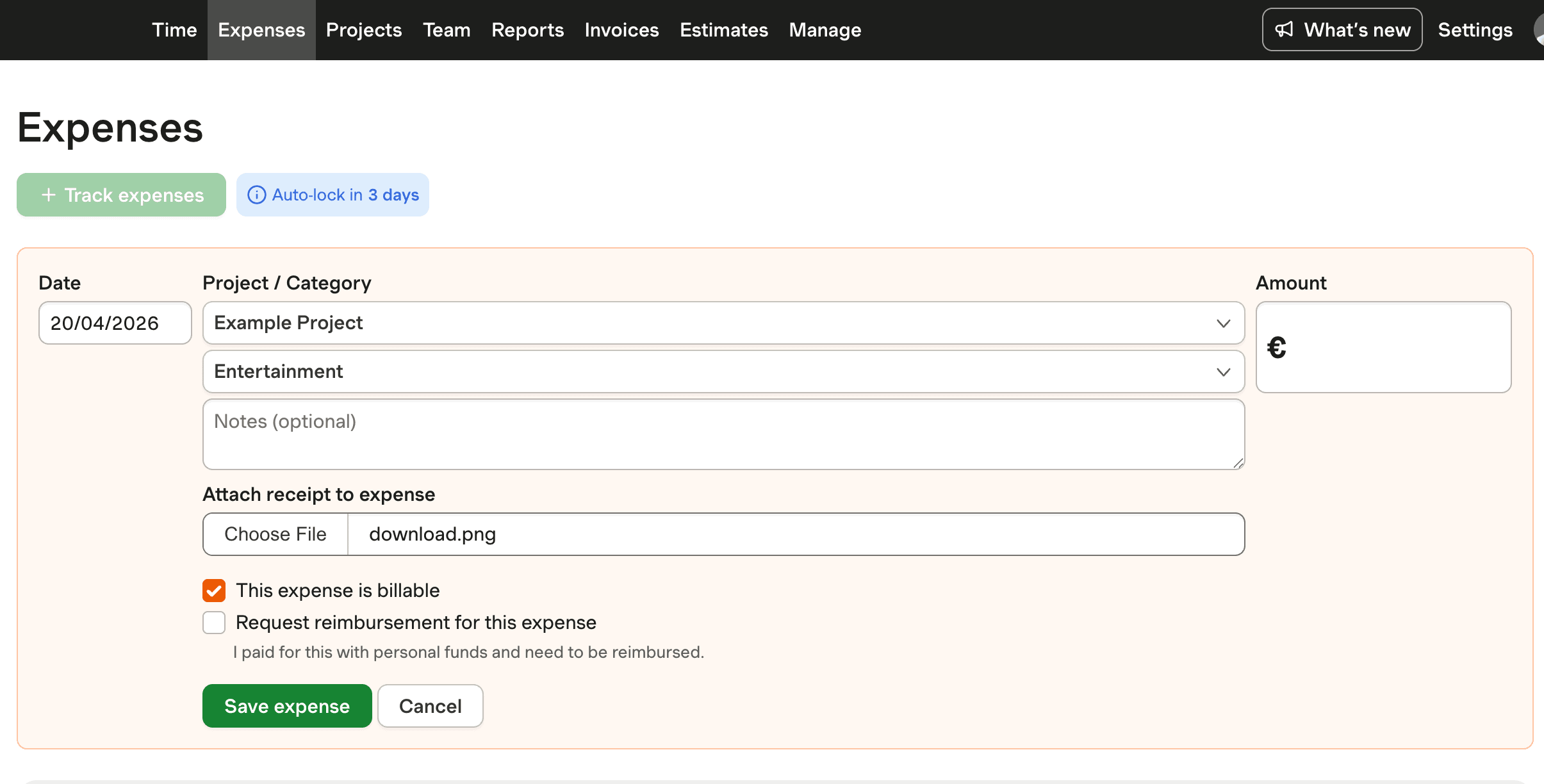
Harvest excels in project-specific expense tracking, allowing businesses to allocate expenses accurately to the correct client or project. This functionality is crucial for industries like advertising, consulting, and construction, where precise billing is necessary for maintaining client trust and profitability. By using Harvest, businesses can streamline their expense management processes and avoid the pitfalls commonly associated with manual tracking methods.

With Harvest, users can tag each expense to a specific project or client, ensuring accurate allocation and reporting. This feature minimizes the risk of errors and simplifies the reconciliation process, making it easier to generate detailed expense reports. Such capabilities are particularly beneficial for consultancies and agencies that handle multiple projects simultaneously, as they provide a transparent view of expenses and help maintain accountability.

Best Practices for Managing Expenses Across Projects

To effectively manage expenses across multiple projects, businesses should implement a few key best practices. First, establishing clear expense policies is essential. These policies should outline acceptable expense categories, limits, and submission deadlines, ensuring all team members are on the same page. Regular review and auditing of expenses can identify cost-saving opportunities and detect policy violations, enhancing financial accuracy.

Integration with financial systems is another crucial step. By connecting expense tracking tools like Harvest with accounting software, businesses can ensure seamless data transfer and maintain a unified financial view. This integration helps eliminate double entry and accelerates the month-end close process. Additionally, setting budget limits and alerts for potential overruns can help manage costs effectively.

Automated systems, such as Harvest, can further streamline processes by allowing instant tracking and categorization of expenses as they occur. This real-time capability aids businesses in maintaining up-to-date financial records, supporting proactive decision-making and efficient resource allocation.

Overcoming Common Challenges in Expense Tracking

Common challenges in expense tracking include losing receipts, manual data entry errors, and inconsistent policy enforcement. These issues can lead to significant inefficiencies and financial inaccuracies. Businesses can overcome these challenges by digitizing receipts with mobile apps, automating data entry, and implementing automated policy enforcement tools to flag out-of-policy expenses in real-time.

Moreover, ensuring employees understand the importance of documenting the business purpose for each expense can prevent approval delays and audit difficulties. Consistent employee education on expense policies and tracking best practices can help build a cost-conscious culture and reduce errors. By leveraging tools like Harvest, businesses can simplify the process of recording and allocating expenses, ultimately enhancing operational efficiency and financial compliance.

Track Expenses for Multiple Clients with Harvest

See how Harvest simplifies expense tracking for multiple clients with project-specific tagging, ensuring accurate allocation and reporting.

Harvest dashboard showing expense tracking for multiple clients

How to Track Expenses for Multiple Clients FAQs

  • Tools that offer project-specific tagging, like Harvest, are ideal for tracking expenses across multiple clients. These tools allow businesses to allocate expenses accurately to the right client or project, enhancing transparency and accountability.

  • Accurate expense tracking can be achieved by implementing project-specific tagging, as offered by Harvest. This ensures that each expense is correctly allocated to the respective client or project, reducing errors and simplifying reporting.

  • Automation in expense management reduces human errors, saves time, and provides real-time visibility into financial data. For instance, automating reconciliation can cut processing time by 75%, as seen in some businesses.

  • Common challenges include manual data entry errors, lost receipts, and inconsistent policy enforcement. These can lead to financial inaccuracies and inefficiencies, which automated systems like Harvest can help mitigate.

  • Harvest simplifies expense tracking by allowing users to tag expenses to specific projects or clients, ensuring accurate allocation. This feature is particularly useful for agencies and consultancies handling multiple projects simultaneously.

  • Integrating expense tracking with financial systems ensures seamless data transfer, eliminates double entry, and accelerates month-end close processes. This integration provides a unified view of finances, aiding in accurate reporting.

  • Implementing clear expense policies, conducting regular reviews, and automating processes are key practices. These steps help maintain accurate financial records and identify cost-saving opportunities, ultimately improving efficiency.

  • Real-time tracking provides up-to-date financial records, supporting proactive decision-making and efficient resource allocation. It helps businesses maintain financial accuracy and quickly identify spending patterns.

  • Documenting the business purpose is crucial for avoiding approval delays and audit difficulties. It ensures transparency and accountability, which are essential for compliance and efficient expense management.