
Harvest
Expenses
Sign up

Track Mileage for Work

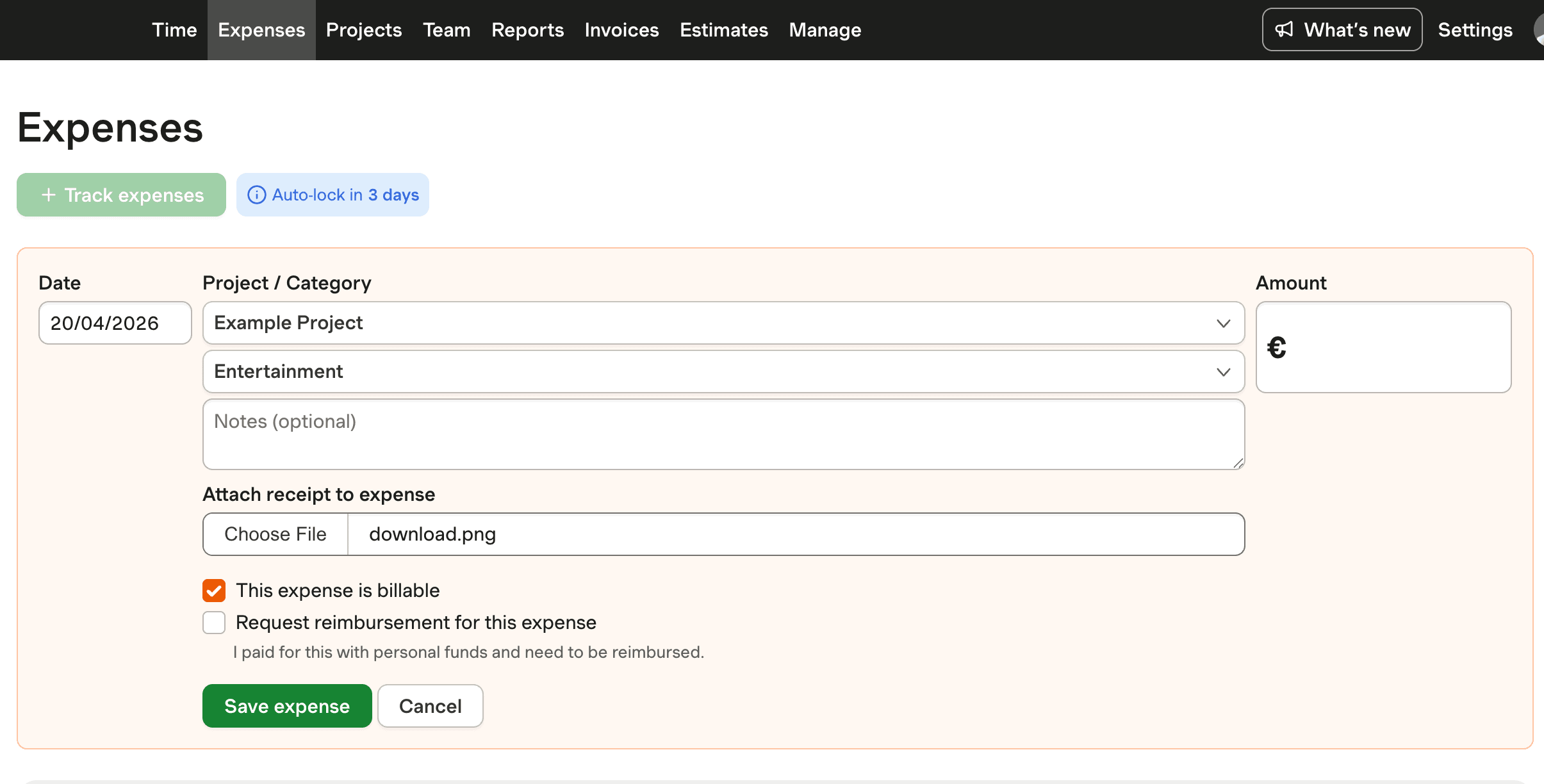
Tracking mileage for work can be time-consuming and error-prone, but Harvest offers a solution by integrating expense tracking for comprehensive financial management.

EXPENSE REPORT DRAFT

Drop your receipts here or click to upload

Images and PDFs (max 10 MB each)

Date
Category
Merchant
Description
Amount
Total
$0.00

Customise report

Appearance

Show report title

Report settings

The Modern Shift to Digital Mileage Tracking

Tracking mileage for work, once a tedious manual task, has transformed into a streamlined digital process. The shift from traditional paper logs to automated digital solutions has been driven by the need for accuracy, efficiency, and compliance. Industry research highlights that digital mileage tracking can reduce non-productive travel time by 15% and fuel costs by 10-15%. The construction industry, for example, reports a significant increase in productivity, with companies saving up to 20% on costs by adopting automated systems.

These advancements not only simplify mileage recording but also transform mileage data into valuable financial insights. Businesses are increasingly leveraging mileage data to understand profitability and plan taxes effectively. While Harvest does not specialize in GPS-based mileage tracking, it integrates expense tracking with other financial management tools, offering a comprehensive overview of business expenses. This integration supports contractors and service businesses in managing their finances more effectively.
Challenges of Manual Mileage Tracking

Manual mileage tracking is fraught with inefficiencies and inaccuracies. Employees often rely on memory or paper logs, leading to error-prone entries and delayed reimbursements. Industry experts estimate that manual logs can take up to two minutes per entry, resulting in significant productivity loss. Moreover, inaccuracies in manual tracking can lead to compliance risks, especially when tax deductions are at stake.

Automated systems have emerged as a solution, providing real-time GPS tracking and eliminating the need for manual data entry. These tools can accurately distinguish between business and personal trips, thus reducing the risk of mileage fraud. Although Harvest does not offer automated GPS trip classification, it supports manual expense tracking, allowing users to add notes to expenses for better record-keeping. This feature can be particularly useful for contractors who need to track expenses related to work trips.

Legal and Compliance Considerations for Mileage Tracking

Ensuring compliance with legal regulations is crucial when tracking mileage for work. In the US, the IRS requires an "accountable plan" for mileage reimbursements to remain tax-free, including detailed logs with date, purpose, and destination. The IRS business standard mileage rate for 2026 is set at 72.5 cents per mile. Similarly, other countries have their own regulations, such as HMRC in the UK and the ATO in Australia, each with specific mileage rates and compliance requirements.

For businesses, maintaining contemporaneous records is essential to avoid audits and ensure tax compliance. While Harvest does not provide IRS-compliant mileage logs, it aids in tracking work-related expenses, which can be part of an overall financial management strategy. By integrating expense tracking with other financial tools, Harvest helps businesses maintain organized and accurate expense records, supporting compliance efforts.

Integrating Mileage Tracking with Expense Management

Integrating mileage tracking with overall expense management is a best practice for businesses looking to streamline their financial processes. Automated mileage tracking apps can sync with expense management platforms, providing real-time visibility into travel expenses and aiding in accurate financial planning. This integration helps reduce duplicate work and ensures consistent record-keeping.

While Harvest does not offer GPS-based mileage tracking, it excels in integrating expense tracking with other financial tools. This capability allows businesses to gain a comprehensive understanding of their expenses, facilitating better cost control and financial planning. For contractors and service businesses, using Harvest to manage expenses can lead to more efficient operations and improved financial oversight.

Track Mileage with Harvest

Discover how Harvest's expense tracking can simplify your work mileage management, providing a complete view of your business expenses.

Screenshot of Harvest's expense tracking interface for work mileage.

Track Mileage for Work FAQs

  • Digital mileage tracking offers significant benefits, such as reducing non-productive travel time by 15% and fuel costs by 10-15%. It automates record-keeping, improves accuracy, and provides valuable data for financial planning and compliance.

  • Harvest supports expense management by integrating tracking tools with financial management systems, providing a comprehensive overview of business expenses. This integration simplifies financial oversight and enhances cost control.

  • For IRS compliance, a mileage log must include the date, start and end locations, and purpose of each trip. These records should be kept contemporaneously to avoid inaccuracies and potential audits.

  • Yes, many mileage tracking apps use GPS to automatically classify trips as business or personal. This helps prevent errors and ensures accurate reimbursement claims.

  • Switching to automated mileage tracking can increase productivity by 10-20%. It eliminates manual entry errors, reduces administrative work, and allows employees to focus on more valuable tasks.

  • Yes, Harvest is ideal for contractors who need to manage expenses efficiently. It integrates expense tracking with financial tools, offering a complete picture of business expenses and aiding in financial management.

  • In the US, the IRS requires that mileage reimbursements follow an accountable plan, with logs detailing the date, purpose, and destination of each trip. The standard mileage rate for 2026 is 72.5 cents per mile.