
Harvest
Expenses
Sign up

Mileage Tracker for Construction

Harvest offers customizable mileage rates and detailed project-based expense reporting, ideal for managing travel in construction projects.

EXPENSE REPORT DRAFT

Drop your receipts here or click to upload

Images and PDFs (max 10 MB each)

Date
Category
Merchant
Description
Amount
Total
$0.00

Customise report

Appearance

Show report title

Report settings

The Importance of Mileage Tracking in Construction

Mileage tracking is crucial in the construction industry, where travel between job sites is frequent and necessary. On average, construction drivers make between 62 to 67 trips per month, covering approximately 7,390 to 8,304 miles annually. This high volume of travel underscores the need for precise mileage tracking to ensure accurate reimbursement and job costing. Traditional methods of manual tracking are not only time-consuming but also prone to errors. For instance, Mainland Construction Materials found that their employees spent 1,000 hours monthly on manual logs before switching to an automated system.

The shift from manual to digital mileage tracking offers significant benefits, including a 15% reduction in non-productive travel time and a 10-20% increase in productivity. By adopting these digital solutions, construction companies can also reduce fuel costs by 10-15% as drivers become more conscious of their travel habits. This transformation is not just about convenience but about gaining a competitive edge by leveraging real-time data to make informed business decisions.
How Harvest Supports Construction Mileage Tracking

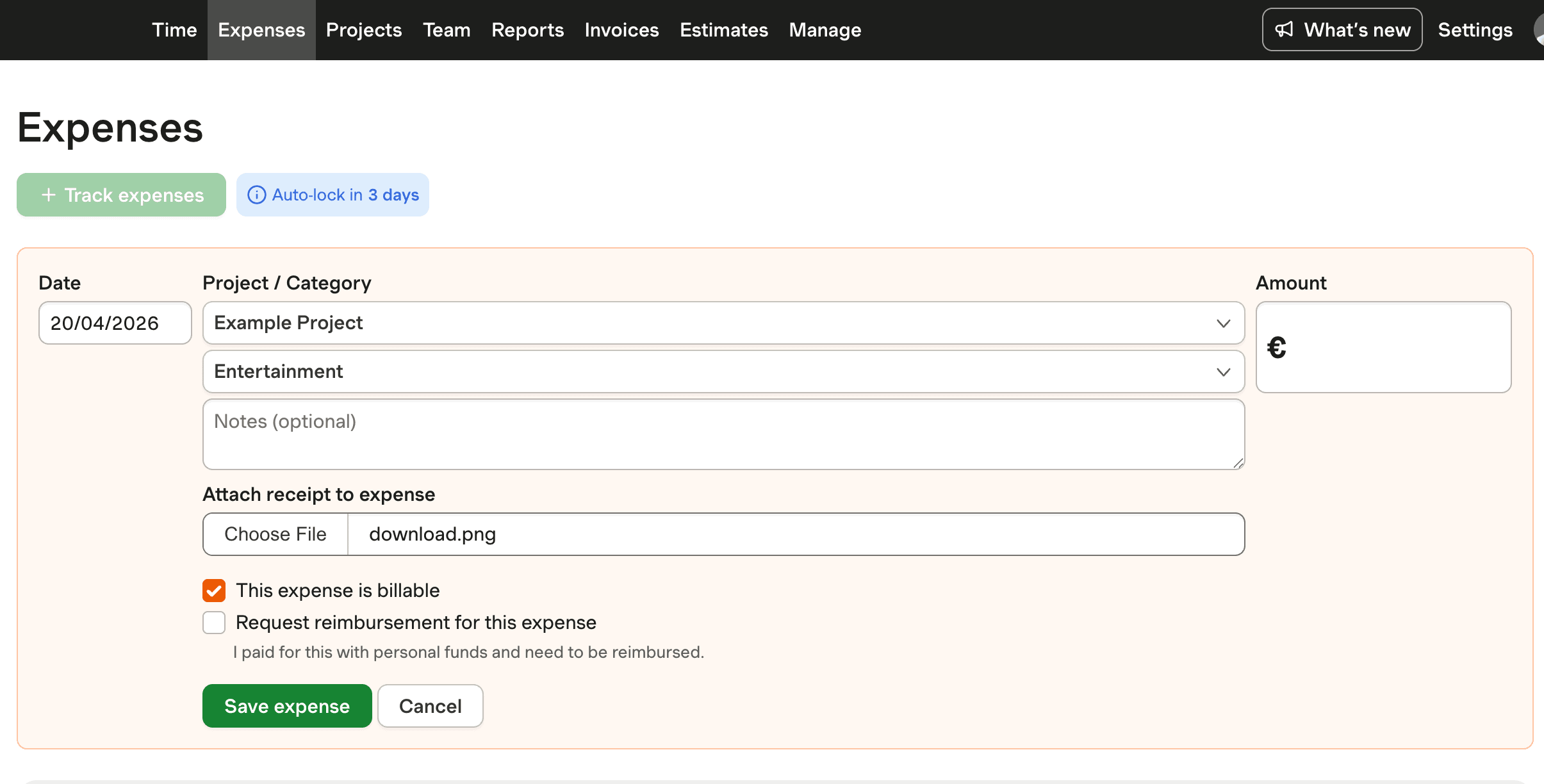
While real-time GPS tracking is not a feature of Harvest, it supports construction teams by offering customizable mileage rates and detailed project-based expense reporting. Harvest allows administrators to set specific mileage rates tailored to individual project requirements. This flexibility is particularly beneficial for construction projects that vary in scope and distance, providing a clear understanding of transportation costs associated with each project.

Moreover, Harvest's reporting features are designed with construction project budgets in mind. These reports can be tailored to reflect detailed expenses per project, aiding in precise job costing and resource allocation. This capability is critical, as industry experts emphasize the importance of accurate mileage data in project bids and change orders. By utilizing Harvest for mileage tracking, construction companies can better manage their budgets and improve overall project management efficiency.

Streamlining Administrative Processes with Harvest

Implementing Harvest can significantly streamline administrative processes related to mileage tracking and reimbursement. Fast Track Specialties, LP, a commercial subcontractor, experienced a 75% reduction in mileage reimbursement processing time after transitioning to an automated system. This shift freed up administrative resources, cutting down time spent from 16 hours monthly to just 4 hours.

Harvest's manual entry system, while not automated, allows for meticulous tracking and reporting, ensuring compliance with IRS requirements for deductible expenses. This is crucial for construction firms operating in states with specific reimbursement mandates, such as California. By maintaining comprehensive and accurate mileage logs, businesses can avoid penalties and ensure that their expense deductions are upheld during audits.

Practical Tips for Effective Mileage Management

To maximize the benefits of mileage tracking in construction, it's essential to establish a clear reimbursement policy. This policy should define who is eligible for reimbursement, the rate used—often pegged to the IRS standard mileage rate—and what constitutes business mileage. Clear guidelines help prevent common mistakes, such as inconsistent logging and mixing personal and business miles.

Additionally, integrating mileage tracking with existing business systems like payroll and accounting software can streamline operations. Although Harvest does not integrate with external project management tools, its project-based expense tracking helps construction companies allocate costs accurately. By focusing on detailed record-keeping, construction firms can ensure they meet IRS documentation requirements, protecting themselves from potential audit penalties.

Harvest's Mileage Tracking for Construction

See how Harvest manages construction project mileage with customizable rates and detailed expense reporting.

Harvest interface showing construction project mileage tracking.

Mileage Tracker for Construction FAQs

  • Digital mileage tracking offers significant benefits, including a 15% reduction in non-productive travel time and a 10-20% increase in productivity. It also helps reduce fuel costs by 10-15% as drivers become more mindful of travel habits.

  • Look for features like customizable mileage rates, detailed project-based expense reports, and seamless integration with payroll and accounting systems. While real-time GPS tracking is beneficial, manual entry with detailed reporting, like in Harvest, can also be effective.

  • Harvest supports construction mileage tracking by offering customizable mileage rates and detailed expense reports tailored to project budgets. These features help manage project costs effectively, even without real-time GPS tracking.

  • Common mistakes include inconsistent logging, mixing personal and business miles, and not adhering to IRS documentation requirements. Establishing a clear reimbursement policy can help avoid these issues.

  • Accurate mileage tracking allows for better job costing and resource allocation, providing a clear picture of project profitability. It helps managers identify scheduling gaps and optimize resources effectively.

  • While Harvest does not integrate with external project management tools, it allows for project-based expense tracking within its system, which aids in accurate job costing and budget management.

  • The IRS standard mileage rate for 2026 is 72.5 cents per mile. This rate includes costs for fuel, maintenance, insurance, and depreciation, and is often used by businesses to standardize reimbursements.