
Harvest
Expenses
Sign up

Mileage Logger

Harvest offers a manual mileage tracking solution ideal for small teams needing accurate project-based expense tracking without complex automation.

  • Attach receipts to projects & tasks
  • Turn tracked expenses into client invoices
  • Free 30-day trial, no credit card needed

or drag & drop • Images and PDFs, max 10 MB

The Evolution of Mileage Logging: From Manual to Digital

The transition from manual mileage logs to digital solutions marks a significant evolution in expense tracking. Traditional methods, such as paper logbooks, are prone to errors and can result in over-reporting by as much as 29%, leading to significant financial losses. In contrast, automated GPS tracking can save companies up to 20% in costs by providing accurate mileage data. Furthermore, digital solutions save drivers an estimated 42 hours annually, freeing valuable time for more productive tasks.

While Harvest does not offer automatic trip logging or AI-powered features, it enables users to manually input mileage expenses, ensuring that small teams can effectively track and report these costs. By focusing on simplicity and precision, Harvest delivers robust mileage reporting for tax deductions and reimbursements, making it a practical choice for businesses looking to streamline their mileage tracking processes without the complexity of advanced automation.
Meeting IRS Requirements for Mileage Tracking

Complying with IRS requirements for mileage logs is crucial for maximizing tax deductions and avoiding penalties. The IRS mandates detailed records, including trip dates, starting and ending locations, business purposes, and total miles driven. A lack of proper documentation can result in disallowed deductions and penalties, as seen in cases where estimated mileage resulted in disallowed claims.

While Harvest does not provide IRS-compliant mileage logs or automatic validation, it allows users to manually track and categorize mileage expenses. This ensures that businesses can maintain accurate records to support tax filings. Harvest's detailed expense reports can be tailored to meet the needs of small teams, offering a straightforward approach to mileage logging that aligns with IRS expectations when used diligently.

Strategic Benefits of Accurate Mileage Data

Accurate mileage data is essential not only for tax purposes but also for broader business insights. Many industries, such as healthcare and construction, rely on precise mileage tracking to optimize operations and ensure fair compensation. Automated systems have become the norm, providing real-time data to enhance route planning and improve scheduling.

Though Harvest does not offer automatic or integrated tracking solutions, it supports manual entry of mileage, allowing teams to keep detailed records. This approach is particularly beneficial for small businesses that require a simple yet effective tracking method. By using Harvest, teams can ensure accurate mileage data collection, which can be pivotal for operational efficiency and financial planning.

Avoiding Common Pitfalls in Mileage Tracking

Effective mileage tracking requires avoiding common pitfalls such as post-dating entries, estimating mileage, and failing to document the business purpose of trips. These errors can lead to discrepancies and potential audit issues. It is recommended to log mileage contemporaneously, including important details like the date and purpose of travel.

Harvest facilitates manual logging of mileage expenses, allowing users to capture precise details necessary for accurate reporting. Although it doesn't offer automatic logging or AI-assisted features, Harvest's straightforward interface ensures that users can maintain comprehensive records. This minimizes the risk of errors and helps businesses adhere to best practices in mileage tracking.

Integrating Mileage Tracking with Business Processes

Integrating mileage tracking with other business processes can significantly enhance operational efficiency. Modern solutions often sync with accounting platforms and expense management systems to streamline reporting and payroll, reducing administrative burdens.

Harvest, while not integrated for automatic mileage syncing with accounting software, offers manual entry capabilities that can be reconciled with other business processes. This manual integration is ideal for small teams looking for a cost-effective way to track mileage alongside other project expenses. By using Harvest, businesses can maintain a holistic view of their expenses, aiding in financial planning and reporting.

Harvest Mileage Logger

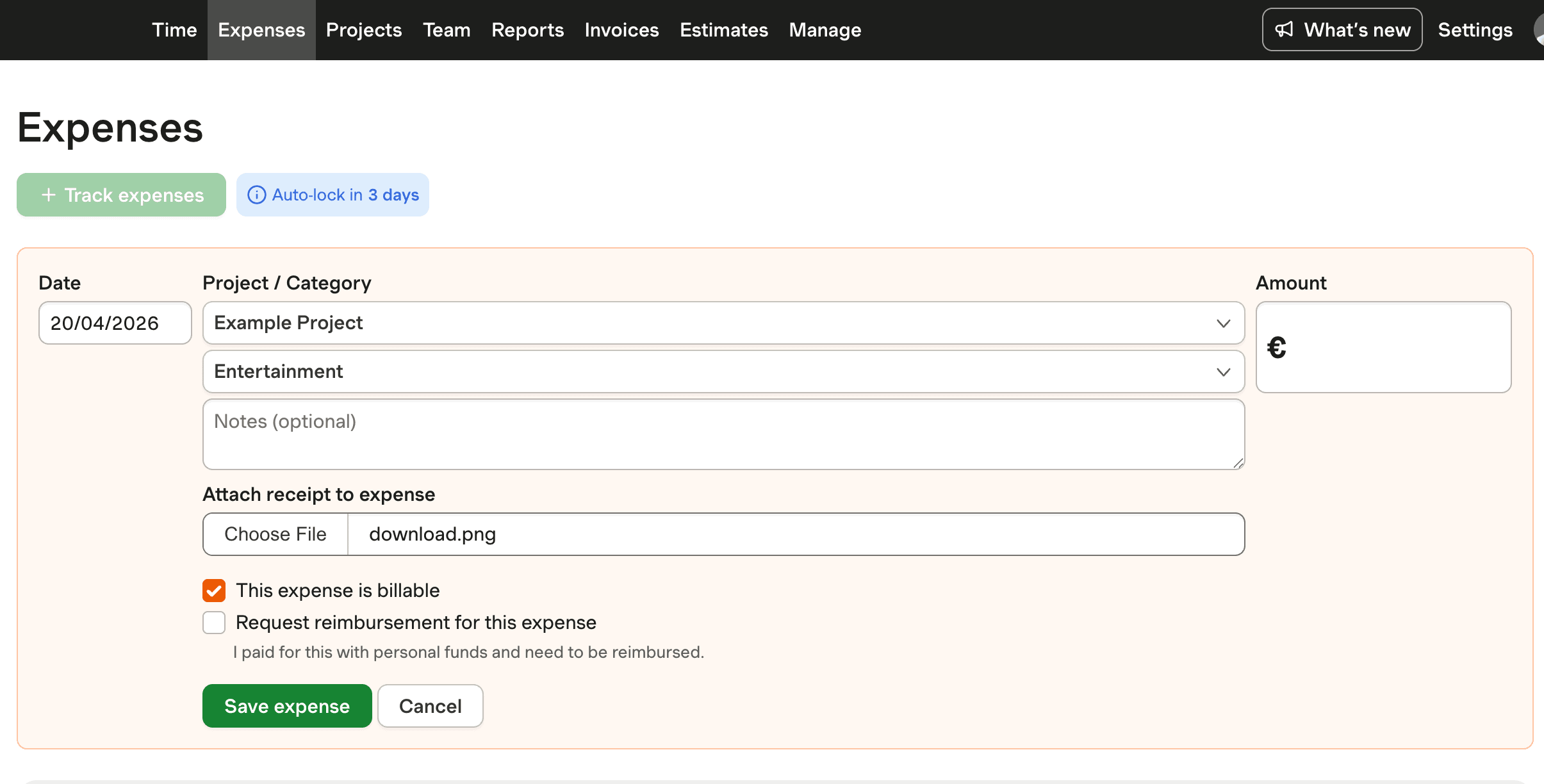
See how Harvest enables manual entry of mileage expenses, perfect for small teams needing accurate project tracking.

Harvest mileage tracking interface for manual entry.

Mileage Logger FAQs

  • Digital mileage loggers provide accuracy, compliance, and efficiency, saving companies an average of 20% in costs and drivers 42 hours annually compared to manual methods.

  • To ensure IRS compliance, maintain detailed logs with trip dates, starting and ending locations, business purposes, and total miles driven. Harvest supports manual entry to help fulfill these requirements.

  • Avoid post-dating entries, estimating mileage, and omitting the business purpose of trips. Harvest allows for precise manual entry to help prevent these errors.

  • Accurate mileage data can optimize route planning, improve scheduling, and ensure fair compensation. Although Harvest requires manual entry, it supports detailed tracking for operational insights.

  • Manual tracking remains relevant for small teams needing a straightforward approach without complex automation. Harvest provides a simple way to log mileage for accurate project-based reporting.