
Harvest
Expenses
Sign up

Mileage Compensation

Harvest simplifies mileage tracking, allowing teams to manage project-based mileage expenses with customizable rates, ensuring fair compensation.

  • Attach receipts to projects & tasks
  • Turn tracked expenses into client invoices
  • Free 30-day trial, no credit card needed

or drag & drop • Images and PDFs, max 10 MB

Understanding Mileage Compensation Rates

Mileage compensation is a crucial aspect of employee reimbursements, reflecting the costs incurred when using personal vehicles for business travel. As of 2026, the IRS standard mileage rate has increased to 72.5 cents per mile, up from 56 cents in 2021, driven by rising costs in fuel, maintenance, and insurance. These rates serve as a guideline for employers, although companies can establish their own rates or adopt Fixed And Variable Rate (FAVR) programs for more accuracy, especially for high-mileage drivers.

Implementing a clear mileage reimbursement policy is essential. This policy should define what constitutes work-related mileage, the applicable rates, and the documentation required for claims. By doing so, companies can avoid confusion, exaggerated claims, and potential tax issues. While the IRS rate is commonly used, businesses have the flexibility to tailor rates to better suit their operational needs and geographical considerations.
The Shift to Automated Mileage Tracking

Manual mileage logging is increasingly becoming obsolete due to its inherent inefficiencies. Employees typically spend around 58 hours annually on manual logs, which can lead to 10-15% mileage inflation. Harvest addresses this issue by offering customizable mileage tracking solutions that simplify the reimbursement process.

Automated mileage tracking not only improves accuracy but also saves significant time for companies. For instance, businesses with 100 employees can save over 4,000 hours annually by switching to automated systems. Harvest facilitates this by allowing users to set standard mileage rates, ensuring precise and fair compensation. This automation is particularly beneficial for teams with extensive travel needs, such as sales or healthcare professionals, who can achieve higher productivity and accuracy in their mileage reporting.

Implementing Effective Mileage Reimbursement Policies

Effective mileage reimbursement policies are the backbone of fair employee compensation. These policies must clearly outline eligible expenses, reimbursement rates, and the documentation required to support claims. Such clarity can prevent potential compliance issues and foster positive employer-employee relationships.

Harvest simplifies policy implementation by allowing companies to set custom mileage rates and track expenses effortlessly. By integrating mileage tracking with existing accounting and expense management systems, businesses can streamline their reimbursement workflows, reduce manual errors, and provide real-time insights for financial accountability. Regularly reviewing these policies ensures that they remain relevant and cost-effective, adapting to changes in operational needs or legal requirements.

Overcoming Compliance and Record-Keeping Challenges

Compliance with mileage compensation regulations requires meticulous record-keeping. The IRS mandates detailed records for each business trip, including dates, locations, and the business purpose, which must be retained for several years. Failure to comply can lead to audits and penalties.

While Harvest does not provide specific compliance guidance, it enables accurate mileage tracking and expense categorization, helping businesses maintain precise records. This capability supports companies in meeting IRS requirements and minimizing the risk of non-compliance. By using Harvest, businesses can focus on operational efficiency while ensuring their reimbursement processes are transparent and well-documented.

Mileage Compensation with Harvest

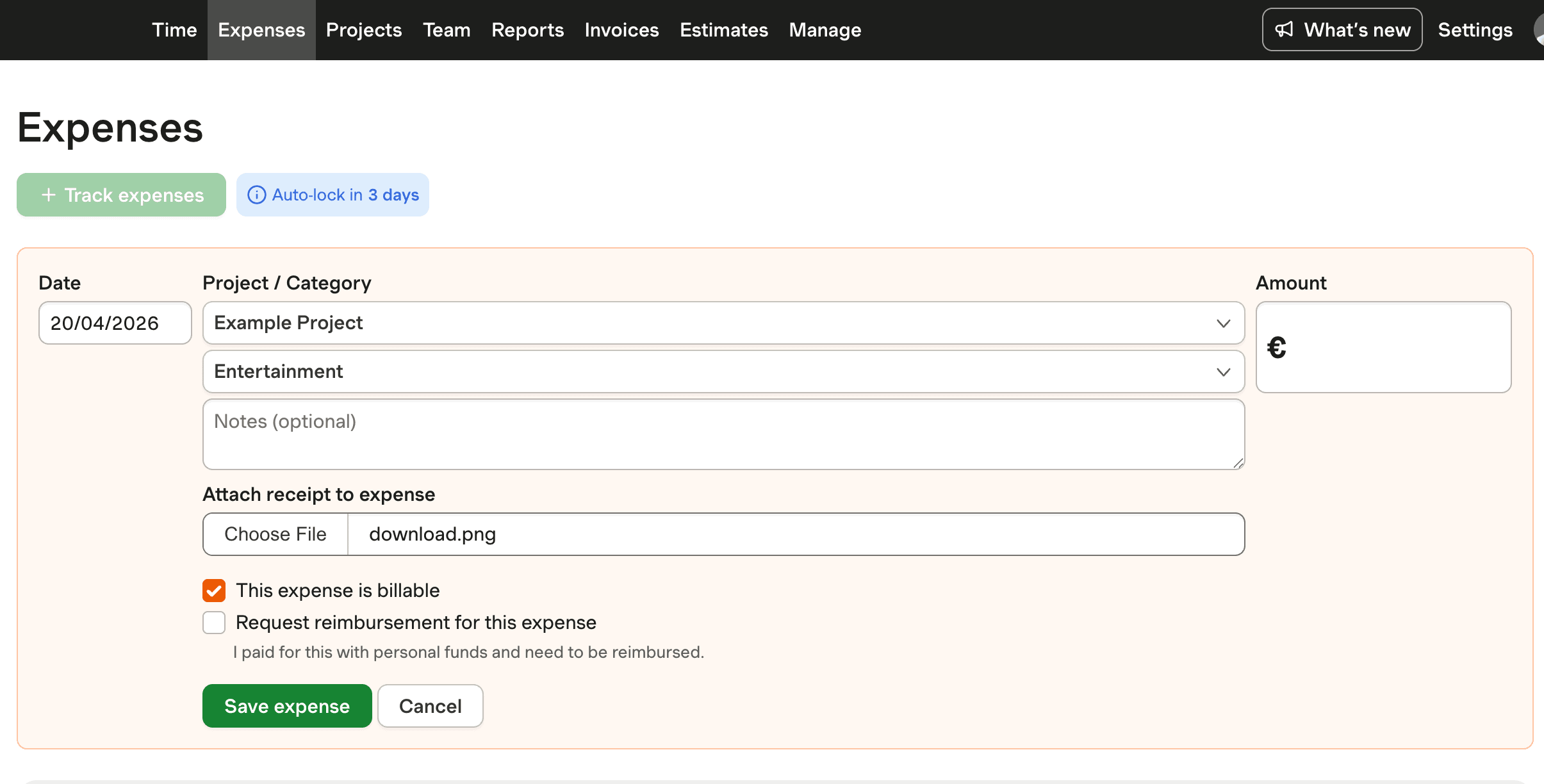
Explore Harvest's mileage tracking features, offering customizable rates for accurate mileage compensation and streamlined business travel expenses.

Harvest mileage compensation tracking interface screenshot.

Mileage Compensation FAQs

  • As of 2026, the IRS standard mileage rate for business use is 72.5 cents per mile. This rate reflects the rising costs of vehicle operation, including fuel and maintenance.

  • To claim mileage compensation, employees typically need to track their business-related travel using a mileage log or automated system. They must submit this documentation according to their company's reimbursement policy.

  • The IRS requires records for each trip, including dates, starting and ending locations, the business purpose, and total miles driven. These records must be retained for tax purposes.

  • While the IRS sets a standard rate for business travel, companies can choose to implement their own rates or use programs like FAVR for more tailored reimbursement, especially for high-mileage employees.

  • Mileage reimbursements that adhere to IRS guidelines are generally not considered taxable income. However, exceeding IRS conditions may result in taxable income.

  • Harvest allows users to set standard mileage rates for accurate tracking and management of project-based expenses, streamlining the reimbursement process.

  • Automated tracking eliminates manual entry errors, saves time, and improves accuracy. Companies can save thousands of hours annually by switching from manual to automated systems.