
Harvest
Expenses
Sign up

Traveler Mileage

Harvest offers customizable mileage tracking solutions to help businesses meet IRS standards and ensure fair employee reimbursement.

  • Attach receipts to projects & tasks
  • Turn tracked expenses into client invoices
  • Free 30-day trial, no credit card needed

or drag & drop • Images and PDFs, max 10 MB

Understanding Mileage Reimbursement Rates

The IRS annually adjusts the standard mileage rate to reflect changes in vehicle operating costs, setting it at 72.5 cents per mile for business travel in 2026, up from 70 cents in 2025. This rate is crucial for businesses and employees to ensure fair reimbursement and compliance with tax laws. However, discrepancies often arise in industries like healthcare, where the average reimbursement falls below the IRS rate, potentially leaving employees short by nearly $2,700 annually when driving 18,000 miles. Businesses must be mindful of these rates to avoid under-reimbursement.

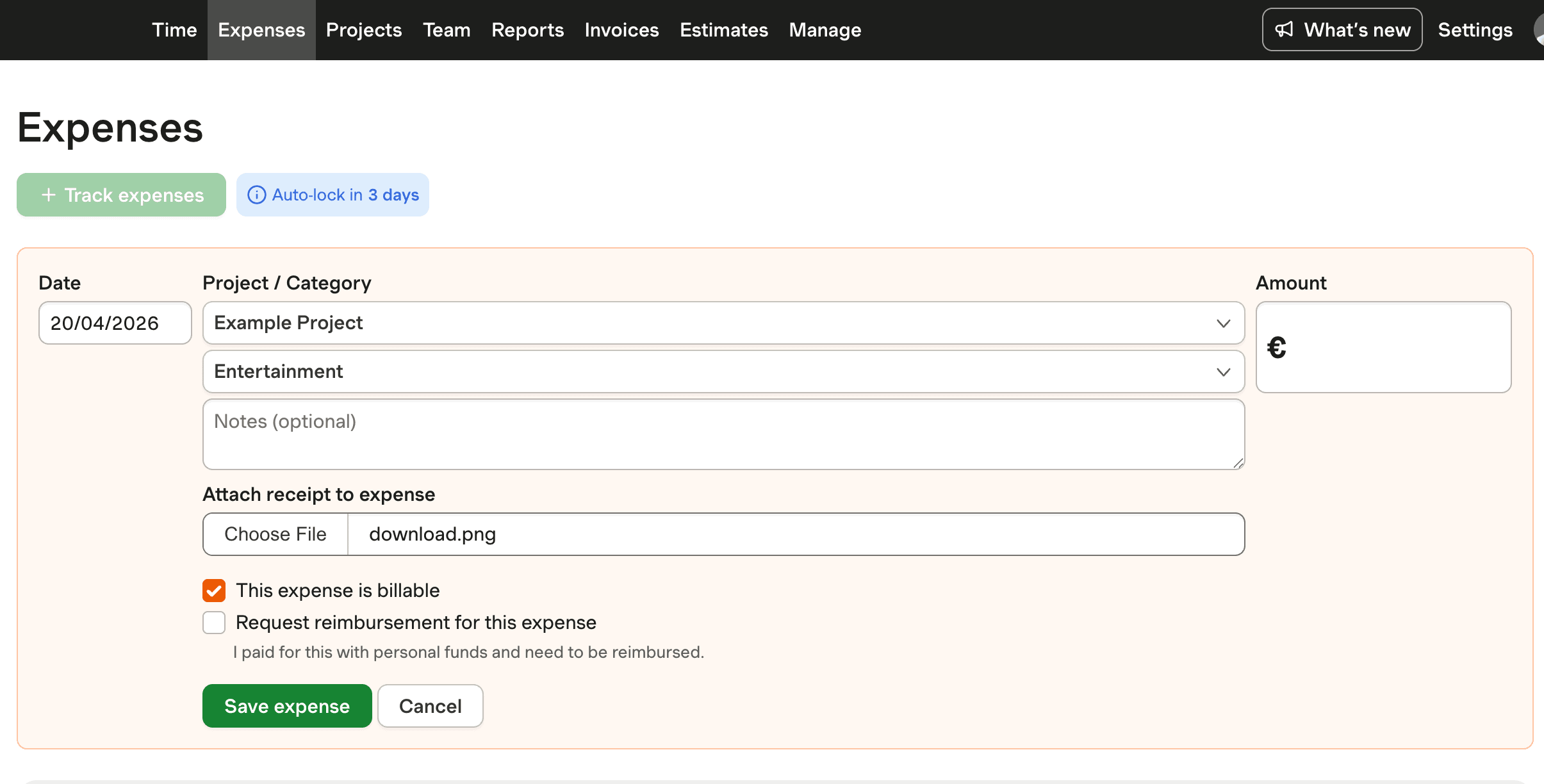
Harvest offers a practical solution by allowing businesses to set customized mileage rates for expense tracking. This feature aids in aligning reimbursements with IRS standards and real-world vehicle expenses, ensuring employees are fairly compensated for their travel.
Automated Mileage Tracking for Accuracy

Manual mileage tracking is prone to errors and inefficiencies, leading to overpayments and compliance risks. Organizations report saving over 4,000 hours annually by switching to automated tracking systems, freeing up time for higher-value tasks. GPS-enabled software and mobile apps now dominate the field, providing precise, audit-defensible records and reducing the likelihood of fraudulent claims.

Harvest simplifies this process by integrating mileage tracking with its expense management system, allowing users to record mileage accurately as an expense category. This seamless integration reduces administrative burden and enhances data accuracy, ensuring compliance with mileage reimbursement guidelines.

Compliance and Documentation Requirements

Proper documentation is essential for tax-free mileage reimbursements. The IRS requires detailed mileage logs, including trip dates, destinations, purposes, and total miles driven. These logs must be retained for at least three years, although seven years is recommended for comprehensive compliance.

In Harvest, mileage can be tracked alongside other expenses, ensuring that all necessary details are captured for audit purposes. By maintaining detailed and contemporaneous records, businesses can protect themselves from potential penalties and ensure that reimbursements remain tax-free.

Choosing the Right Reimbursement Strategy

Organizations often struggle with choosing the best reimbursement method. The traditional Cents Per Mile (CPM) model is simple but may not reflect actual costs, leading to under-reimbursement. Alternatively, the Fixed and Variable Rate (FAVR) program accounts for both fixed and variable costs, providing a more comprehensive reimbursement strategy.

While Harvest does not offer FAVR calculations, it supports flexible rate settings that allow businesses to tailor reimbursements according to their specific needs. This flexibility helps align reimbursement strategies with organizational goals and employee needs, maximizing both compliance and satisfaction.

Traveler Mileage with Harvest

See how Harvest tracks traveler mileage for fair reimbursement. Customize rates and streamline expenses for business travel.

Harvest mileage tracking interface for traveler mileage management.

Traveler Mileage FAQs

  • The IRS mileage reimbursement rate for business travel is set at 72.5 cents per mile for 2026, reflecting changes in vehicle operating costs.

  • To calculate mileage reimbursement, multiply the total business miles driven by the IRS rate. Automated tools simplify tracking and ensure accuracy.

  • Automated tracking reduces errors and saves time. Companies report saving over 4,000 hours annually by using GPS-enabled apps instead of manual logs.

  • Harvest allows businesses to set custom mileage rates for accurate tracking and reimbursement, integrated with its expense management system.

  • The IRS requires detailed logs with trip dates, destinations, purposes, and total miles. Records should be kept for at least three years.

  • Using tools like Harvest for accurate tracking and maintaining detailed logs helps businesses comply with IRS regulations and avoid penalties.

  • Harvest offers customizable rates and integrates mileage tracking with expense management, enhancing accuracy and compliance for businesses.