
Harvest
Expenses
Sign up

Mileage Tracker for Lyft

For Lyft drivers, Harvest offers a straightforward manual mileage tracking system, allowing for detailed tracking of vehicle expenses like maintenance and fuel.

EXPENSE REPORT DRAFT

Drop your receipts here or click to upload

Images and PDFs (max 10 MB each)

Date
Category
Merchant
Description
Amount
Total
$0.00

Customise report

Appearance

Show report title

Report settings

Maximize Your Tax Deductions with Accurate Mileage Tracking

Accurate mileage tracking is essential for Lyft drivers aiming to maximize their tax deductions. A driver covering 15,000 business miles annually could save between $1,300 and $2,400 in taxes at the 2026 standard mileage rate. The average small business owner can save between $3,000 and $7,000 through mileage deductions. By meticulously logging business miles, drivers ensure they claim every possible deduction, boosting their take-home pay.

Many self-employed individuals underestimate these potential savings, often missing out on tax deductions they're eligible for. This oversight can lead to overpaying taxes, which is why implementing a robust mileage tracking solution is vital. Although Harvest provides a simple manual mileage tracking method, it allows users to categorize expenses like vehicle maintenance and fuel, facilitating detailed accounting of all related costs.
The Move Towards Automated Mileage Tracking Solutions

In recent years, there has been a shift towards using automated mileage tracking apps among gig economy workers, including Lyft drivers. These apps utilize GPS technology to automatically record and categorize trips. This trend has emerged due to the significant time savings, as automated tools can save users an average of 90 hours annually compared to manual logging.

While Harvest does not offer automatic trip logging, it supports expense tracking features for vehicle maintenance and fuel costs, crucial for Lyft drivers managing their vehicle-related expenses. By creating custom categories, drivers can maintain a comprehensive record of expenses, ensuring no deductible cost is overlooked.

Overcoming Documentation Challenges for Lyft Drivers

One of the primary challenges Lyft drivers face is the commingling of personal and business miles, which can result in disallowed deductions. To overcome this, a detailed tracking system is necessary. Although Harvest does not classify trips as business or personal automatically, it aids in tracking vehicle-related expenses meticulously.

Using Harvest, drivers can log essential expense details manually, which helps in maintaining organized records. This is crucial because inadequate documentation is a common mistake that can lead to deductions being disallowed during an IRS audit. Thus, maintaining comprehensive records with tools like Harvest is vital for compliance and maximizing deductions.

Practical Tips for Effective Mileage Tracking

Effectively tracking mileage is crucial for Lyft drivers to maximize their tax benefits. Here’s a step-by-step framework to ensure you’re capturing all eligible deductions:

  1. Understand Deductible Miles: Differentiate between business and personal miles. Business miles include trips between rides, errands, and vehicle maintenance.
  2. Choose a Deduction Method: Decide between the standard mileage rate and the actual expense method, considering IRS rules.
  3. Implement a Tracking System: Utilize tools like Harvest to log expenses related to vehicle use, as it allows for custom expense categories.
  4. Record Essential Details: Log each trip’s date, mileage, and business purpose.
  5. Maintain Annual Odometer Readings: Record odometer readings at the start and end of the year.

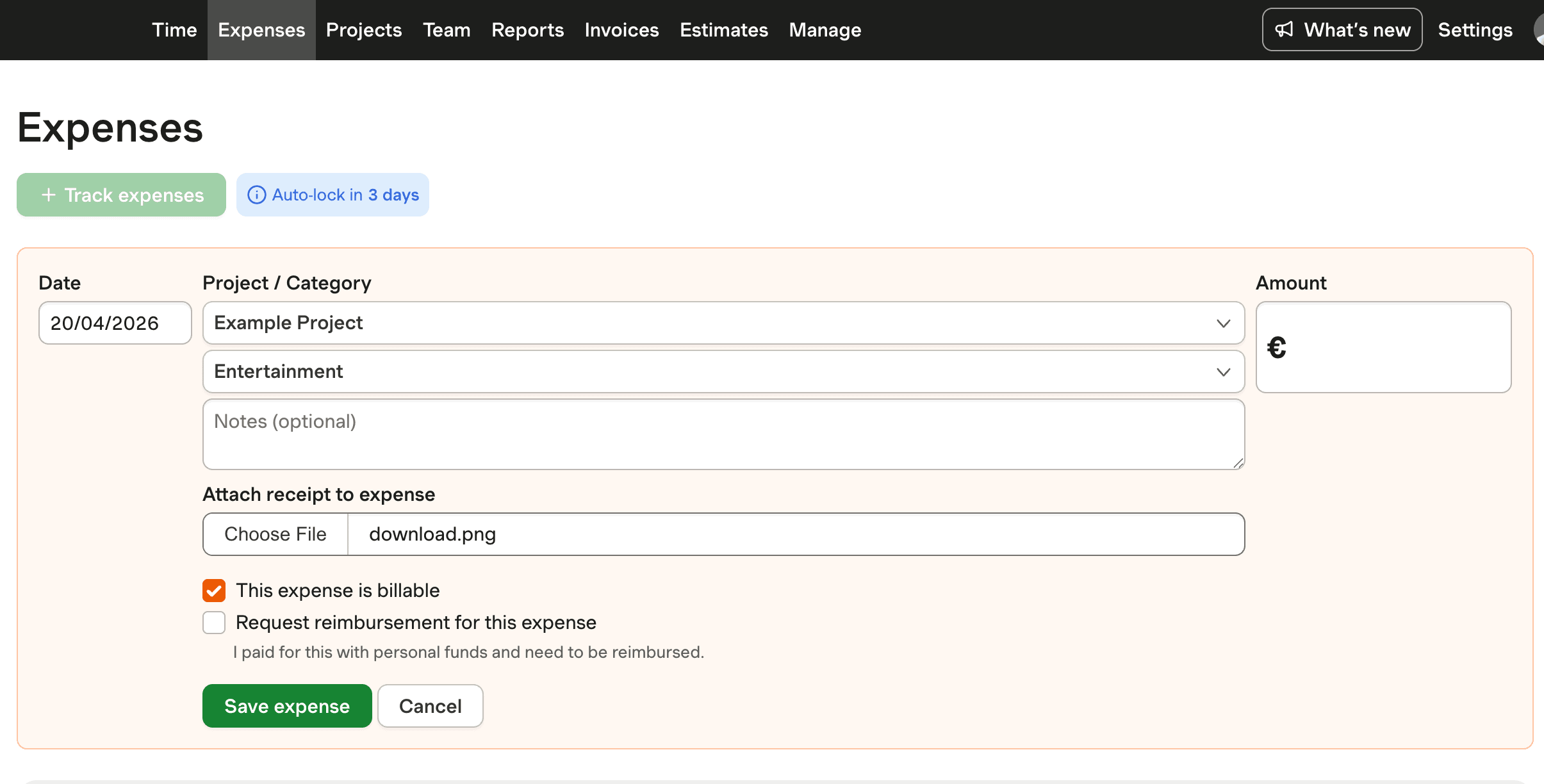
Harvest allows you to track vehicle expenses such as fuel and maintenance, providing a consolidated view of your business costs.

Harvest for Lyft Drivers

See how Harvest helps Lyft drivers track mileage manually and manage vehicle expenses like fuel and maintenance.

Harvest mileage tracking dashboard for Lyft drivers.

Mileage Tracker for Lyft FAQs

  • Lyft drivers can maximize tax deductions by accurately tracking all business miles driven. Implementing a reliable mileage tracking system and categorizing expenses like vehicle maintenance and fuel can lead to significant savings, often between $1,300 and $2,400 annually for 15,000 business miles.

  • Automatic mileage tracking apps use GPS to record trips effortlessly, saving drivers up to 90 hours a year. They ensure accurate, IRS-compliant logs, capturing all eligible business miles and reducing manual entry errors.

  • Yes, Harvest allows Lyft drivers to manually track vehicle expenses by creating custom categories for costs like fuel and maintenance. This detailed tracking supports comprehensive expense management.

  • Lyft drivers should avoid mixing personal and business miles, relying on incomplete records, and overstating mileage. Using a consistent tracking method like Harvest helps maintain accurate and contemporaneous records.

  • Logging all business miles is crucial for Lyft drivers to claim maximum tax deductions. Missing miles can lead to lost savings. Proper tracking ensures compliance with IRS requirements and maximizes eligible deductions.

  • The standard mileage rate for business use in 2026 is 72.5 cents per mile, up from 70 cents in 2025. This rate is used to calculate deductible expenses for business mileage.

  • Lyft drivers can manage vehicle expenses effectively by categorizing costs like fuel, maintenance, and tolls using tools like Harvest. This approach ensures all expenses are accounted for in tax filings.