
Harvest
Expenses
Sign up

Mileage Tracker for Instacart

Harvest offers a comprehensive mileage tracking solution integrated with expense management, perfect for Instacart drivers seeking to maximize tax deductions through accurate logging.

  • Attach receipts to projects & tasks
  • Turn tracked expenses into client invoices
  • Free 30-day trial, no credit card needed

or drag & drop • Images and PDFs, max 10 MB

Maximize Your Tax Deductions with Accurate Mileage Tracking

Mileage tracking is essential for gig economy workers, especially for those driving for delivery services such as Instacart. Accurate mileage logs can save gig workers thousands of dollars annually in taxes. For example, tracking 15,000 business miles per year could lead to savings between $1,300 and $2,400 at the 2026 IRS rate. It's noteworthy that driving 36,000 miles annually might result in a deduction of $25,920, saving over $5,700 with a 22% tax rate.

Harvest provides a robust solution for tracking mileage alongside other expenses. It allows users to categorize mileage as an expense, assigning a per-mile rate, which is crucial for maintaining accurate logs required for tax audits. Unlike some gig platforms that only track "online" miles, Harvest enables users to manually log all deductible miles, ensuring comprehensive coverage for tax purposes.
The Shift to Automated Mileage Tracking

The traditional method of manually logging mileage is not only outdated but also prone to errors, as highlighted by the case of a California real estate broker whose $5,309 car expense deduction was disallowed due to insufficient records. Many gig workers have shifted to automated mileage tracking apps, which use GPS technology to capture miles driven, saving an average of 90 hours annually.

While Harvest does not offer automated trip detection, it integrates mileage tracking with its expense management tools, allowing users to manually enter mileage data. This integration helps keep financial records organized, which is beneficial during tax season. Harvest's solution is particularly advantageous for small businesses and freelancers needing to track project expenses efficiently.

Complying with IRS Mileage Tracking Requirements

Meeting IRS mileage tracking requirements is non-negotiable for claiming deductions. The IRS mandates detailed, contemporaneous logs that include date, starting location, destination, business purpose, and total miles driven. Failure to maintain such records can lead to deductions being denied, as reconstructed logs are often challenged during audits.

Harvest facilitates compliance by allowing users to create comprehensive mileage logs. While it requires manual entry, this process ensures that all necessary details are captured. This is crucial for gig workers like Instacart drivers who need to track non-delivery miles, such as driving to gas stations during work, which platforms often miss.

Integrating Mileage Tracking with Expense Management

Integrating mileage tracking with overall expense management enhances financial oversight. Many mileage tracking solutions now offer integration with accounting software, streamlining the process of recording and reporting expenses. This integration is particularly useful for gig workers who juggle multiple income streams and expenses.

Harvest excels in this area by combining mileage tracking with its expense management module, allowing users to manage project expenses holistically. This feature is especially beneficial for small business owners and freelancers looking to optimize their tax deductions. By maintaining accurate records, users can confidently face tax audits.

Track Instacart Miles with Harvest

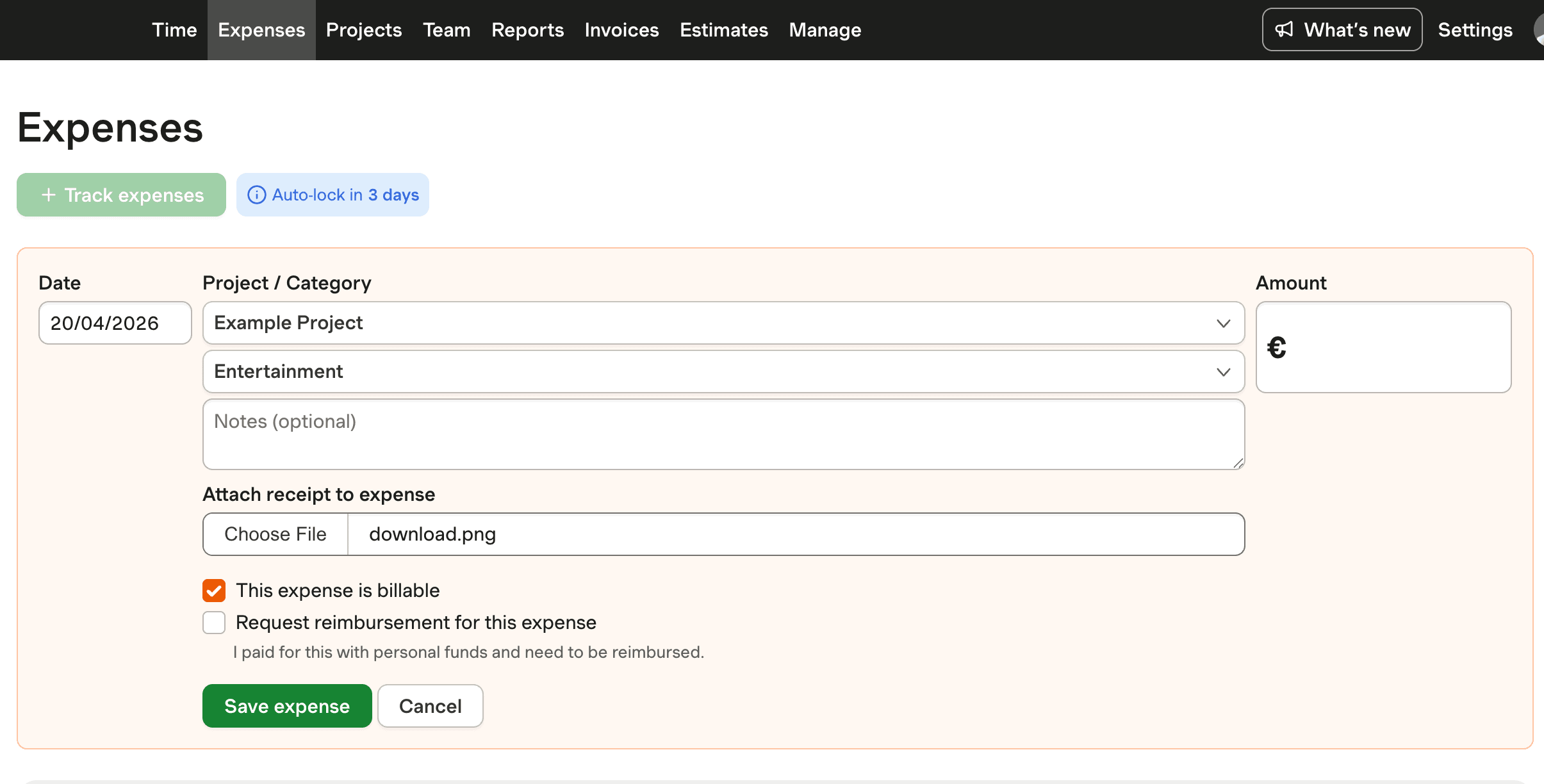
See how Harvest tracks mileage for Instacart, integrating with expense management for seamless financial tracking.

Screenshot of Harvest showing mileage tracker for Instacart.

Mileage Tracker for Instacart FAQs

  • Instacart drivers can save significantly on taxes by accurately tracking their mileage. For example, driving 15,000 business miles annually can lead to savings between $1,300 and $2,400. Accurate logs are crucial for deducting all permissible business miles.

  • The IRS requires detailed mileage logs that include the date, starting location, destination, business purpose, and total miles driven. These records must be kept contemporaneously to substantiate deductions.

  • Yes, Harvest allows Instacart drivers to manually track mileage as an expense. This capability ensures that all eligible miles, including non-delivery ones, are recorded for tax purposes.

  • Automated mileage tracking saves time and reduces errors. It uses GPS to automatically log trips, which helps gig workers focus on their tasks rather than administrative work, saving an average of 90 hours per year.

  • Yes, Harvest integrates mileage tracking with its expense management tools, allowing users to manage all project expenses in one place. This integration simplifies financial record-keeping.

  • For 2026, the IRS standard mileage rate for business use is 72.5 cents per mile. This rate includes all vehicle expenses, but parking and tolls can be deducted separately.

  • Harvest helps with tax compliance by allowing users to create detailed mileage logs that meet IRS requirements. This ensures that records are audit-ready and deductions can be maximized.