
Harvest
Expenses
Sign up

Reimbursement Claim

Facing issues with reimbursement claims? Harvest's automated time tracking and invoicing can streamline documentation, reducing errors and delays.

EXPENSE REPORT DRAFT

Drop your receipts here or click to upload

Images and PDFs (max 10 MB each)

Date
Category
Merchant
Description
Amount
Total
$0.00

Customise report

Appearance

Show report title

Report settings

Understanding the Reimbursement Claim Process

Submitting a reimbursement claim can be a daunting task due to its intricate requirements and potential pitfalls. On average, 18–28% of medical claims are initially denied, often due to incomplete documentation or errors. To successfully navigate this process, it is crucial to understand the necessary steps and documentation. Claims typically require thorough review and accurate completion of forms, supported by original receipts and medical certificates. Automation in claims processing can significantly enhance efficiency, reducing manual data entry by 60-80% and improving first-pass processing rates by 30-50%.

Harvest, while not directly involved in healthcare claims, excels in automating documentation processes similar to those in expense management. Its time tracking and invoicing capabilities can significantly streamline the documentation aspect of financial processes, ensuring meticulous record-keeping and reducing the likelihood of errors that lead to denials.
Common Challenges in Reimbursement Claims

Reimbursement claims often face hurdles like missing documentation, coding errors, and delays. The U.S. healthcare system sees $262 billion in preventable revenue loss annually due to claim denials, highlighting the importance of accurate and complete submissions. A staggering 70% of denied claims are never resubmitted, underscoring the need for efficient resubmission processes.

Although Harvest does not directly process reimbursement claims, its robust time tracking and invoicing features can help prevent such issues in business environments. By ensuring accurate tracking and categorization of billable hours and expenses, Harvest aids in reducing errors that could lead to denials or rejections in financial transactions.

Enhancing Efficiency with Automated Solutions

Automation has revolutionized claims processing, enabling significant improvements in speed and accuracy. Organizations that adopt comprehensive automation report a 60-80% reduction in manual data entry and achieve same-day processing for claims previously taking days. In the healthcare sector, automation allows staff to handle 3-5 times more claims, freeing them for higher-value tasks.

Harvest supports automation in business processes through its time tracking and invoicing tools. These features ensure precise billing and time management, reducing administrative burdens and promoting seamless financial operations. Implementing such automated systems can enhance efficiency and accuracy, ultimately leading to faster and more reliable reimbursement processing.

Reimbursement Claims with Harvest

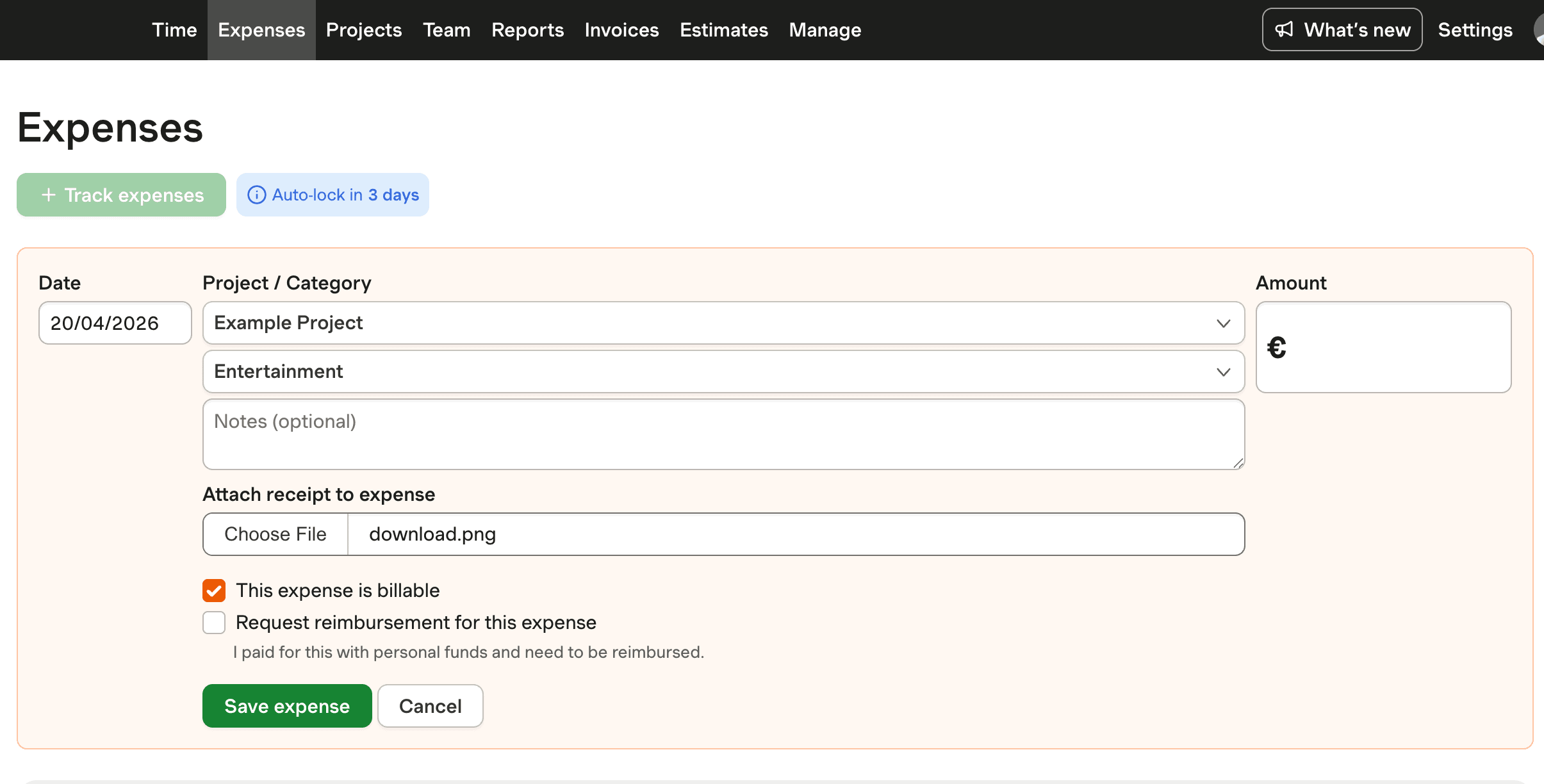
Explore how Harvest's time tracking and invoicing features can streamline reimbursement claims, reducing errors and delays.

Harvest dashboard for reimbursement claim tracking and invoicing.

Reimbursement Claim FAQs

  • To submit a reimbursement claim, you typically need original receipts, invoices, medical certificates, and any relevant discharge summaries or test reports. Ensuring all documentation is complete and accurate is crucial to avoid claim rejections.

  • The steps to file a reimbursement claim include reviewing all details for accuracy, gathering required documents, completing the claim form accurately, submitting the form, and following up on the claim status. Automation can streamline these steps, reducing manual errors.

  • The time to receive reimbursement can vary, but automated systems have significantly reduced processing times. Claims that once took several days can now be processed on the same day, thanks to automation.

  • Common issues in the reimbursement process include missing documentation, incorrect coding, and delays in claim submissions. Automated tools can help mitigate these issues by ensuring accuracy and completeness in documentation.

  • Automation greatly improves the efficiency of reimbursement claims by reducing manual data entry and increasing the speed of processing. It can lead to a 30-50% improvement in first-pass processing rates and significantly reduce claim cycle times.

  • Cashless claims allow for direct billing to the insurer, bypassing the need for upfront payment. Reimbursement claims require the insured to pay initially and seek repayment from the insurer upon claim submission. Both have their own documentation requirements.

  • Harvest aids in expense management through its time tracking and invoicing capabilities, helping businesses maintain accurate records and reduce errors in financial transactions, which is critical for avoiding claim denials.