
Harvest
Expenses
Sign up

Split Expense Between Projects

Harvest simplifies project-based expense tracking by allowing users to associate expenses directly with individual projects, ensuring accurate financial reporting and streamlined invoicing.

EXPENSE REPORT DRAFT

Drop your receipts here or click to upload

Images and PDFs (max 10 MB each)

Date
Category
Merchant
Description
Amount
Total
$0.00

Customise report

Appearance

Show report title

Report settings

Understanding Expense Allocation Challenges

Accurately allocating expenses between projects is vital for effective financial management and strategic decision-making. Misallocations can lead to inflated project costs, eroding profit margins and skewing profitability analysis. Inaccurate expense allocation is a common pitfall, as roughly one in three projects exceeds its original budget, and nearly 50% of technology projects are both over budget and late. Such errors can impact pricing strategies for future projects, underscoring the importance of precise cost management.

The shift from static spreadsheets to cloud-based platforms is a growing trend, with 61% of project managers reporting that technology helps reduce project errors and cost overruns. These platforms enhance real-time visibility and integrated management of expenses, crucial for preventing costs from accumulating invisibly through delayed entries or misallocated efforts. By understanding these challenges, businesses can better position themselves to manage and allocate project expenses accurately.
Effective Methods for Splitting Expenses Between Projects

Several methods exist for splitting expenses between projects, each offering unique advantages depending on the industry and project nature. Common allocation methods include direct labor hours, direct costs, and revenue-based approaches. More sophisticated methods, like Activity-Based Costing (ABC), allocate expenses based on specific activities, providing a detailed view of cost distribution. This approach is particularly beneficial in industries with diverse project types, such as construction and healthcare.

For example, in the construction industry, allocating overhead costs like project management and equipment depreciation accurately is vital for job costing and bidding strategies. In healthcare projects, direct and indirect costs must be meticulously tracked and linked to project phases, such as procurement and deployment stages. By adopting the right expense allocation method, businesses can ensure financial transparency and compliance with industry standards.

How Harvest Facilitates Project Expense Tracking

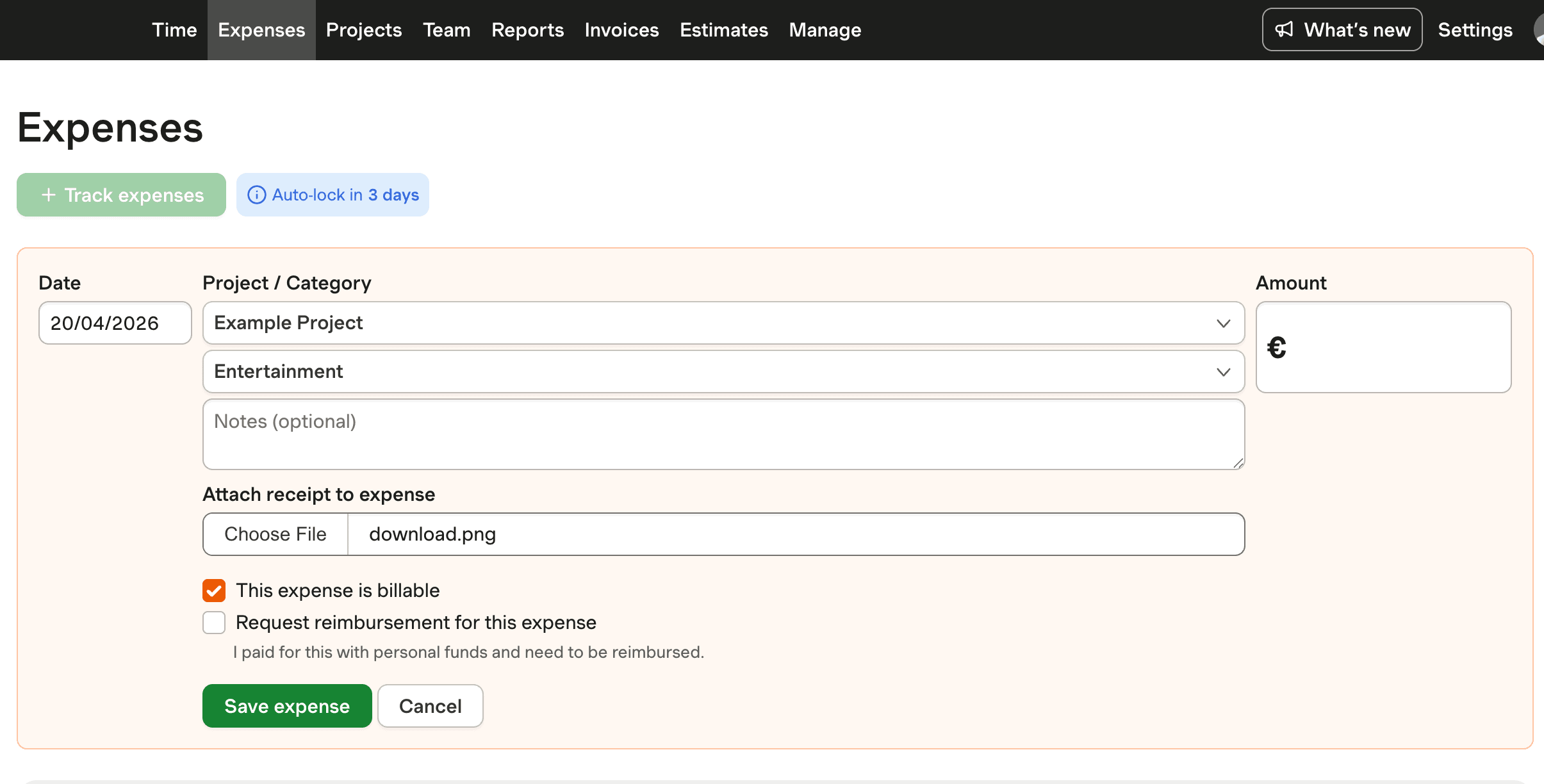
Harvest streamlines project-based expense tracking by allowing users to associate expenses directly with individual projects, simplifying the invoicing process. This feature is particularly beneficial for organizations looking to maintain accuracy in financial reporting and project profitability analysis. By linking expenses to specific projects, Harvest helps prevent the common issue of misallocated resources, which can lead to inflated costs and skewed financial insights.

Although Harvest does not support splitting a single expense across multiple projects, it excels in tracking expenses at the project level for clear visibility. This functionality is critical for businesses aiming to automate their expense tracking process and reduce manual errors. With Harvest, users can easily manage and monitor project expenses, ensuring they stay within budget constraints and maintain financial accountability.

Best Practices for Project Expense Management

Implementing best practices in project expense management is essential for accurate financial tracking. Start by defining a clear project budget and cost structure, breaking it down into categories like labor, tools, and external services. This creates a baseline for tracking and ensures every expense is recorded and linked to the correct project phase, enhancing financial data integrity.

Real-time expense tracking is crucial; using integrated platforms that facilitate easy categorization and attachment of proofs ensures seamless connection with accounting systems. Regularly compare actual expenditures against budgeted estimates and adjust forecasts as needed to reflect current project realities. By integrating expense management with accounting and project delivery data, organizations can achieve comprehensive financial oversight and streamline their expense management processes.

Split Expense Between Projects with Harvest

See how Harvest associates expenses directly with projects, enhancing financial tracking and invoicing. Simplify your expense management today.

Screenshot of Harvest's project expense tracking feature

Split Expense Between Projects FAQs

  • The best method depends on the industry and project nature. Common methods include direct labor hours, direct costs, and revenue-based approaches. Activity-Based Costing (ABC) offers a detailed view by linking costs to specific activities.

  • Technology, such as cloud-based platforms, offers real-time visibility and integrated management, reducing project errors. 61% of project managers report that technology helps minimize cost overruns and errors.

  • Real-time expense tracking prevents costs from accumulating invisibly and allows timely intervention. It enhances financial transparency and keeps projects within budget.

  • Harvest allows users to associate expenses with individual projects, simplifying invoicing and ensuring accurate financial reporting. This helps prevent misallocated resources and inflated costs.

  • Common mistakes include neglecting real-time tracking, over-reliance on manual processes, inaccurate estimations, and lack of clear objectives. Implementing integrated systems can mitigate these issues.

  • For EU-funded projects, ensure expenses meet criteria like being incurred within the project duration, necessary for the action, and identifiable in accounting records. Clear documentation is crucial for compliance.