
Harvest
Expenses
Sign up

Uber Eats Mileage Tracker

For Uber Eats drivers seeking accurate mileage tracking, Harvest offers manual entry and detailed expense reporting to maximize tax deductions.

EXPENSE REPORT DRAFT

Drop your receipts here or click to upload

Images and PDFs (max 10 MB each)

Date
Category
Merchant
Description
Amount
Total
$0.00

Customise report

Appearance

Show report title

Report settings

Understanding the Importance of Mileage Tracking for Uber Eats Drivers

Mileage tracking is a critical aspect for Uber Eats drivers aiming to maximize their tax deductions. For instance, a driver recording 20,000 business miles in 2026 might deduct around $14,500 from their taxable income, saving between $2,100 to $3,200 in taxes depending on their bracket. Given that the average mileage claim for self-employed individuals using the standard mileage rate method is about $5,500 annually, precise tracking can significantly impact financial outcomes.

Beyond tax savings, effective mileage tracking helps drivers evaluate the profitability of their gigs by providing insights into travel-related costs. This is particularly important for full-time delivery drivers, who often report annual vehicle mileage between 40,000 and 50,000 miles. Consequently, adopting a reliable system to track and report these miles is crucial for financial management and compliance with tax regulations.
The Challenges of Accurate Mileage Tracking

For Uber Eats drivers, accurately tracking mileage extends beyond recording distances traveled during deliveries. "Off-the-clock" miles, such as those accumulated during trips for fuel, vehicle maintenance, or supply runs, are also deductible but often overlooked. This oversight leads to missed tax deduction opportunities, potentially costing drivers thousands of dollars annually.

Furthermore, differentiating between personal, commuting, and business trips is often a challenge. Only business-related miles qualify for deductions, which underscores the need for a tracking solution that simplifies the classification of trips. With Harvest, drivers can manually input mileage and expenses, categorizing them by date and project, to ensure they capture all deductible miles accurately.

Manual Mileage Entry and Reporting with Harvest

Although automatic mileage tracking is a popular feature in many apps, Harvest excels in providing a robust platform for manual entry and detailed reporting. For Uber Eats drivers, this means they can record their mileage with precision, ensuring that every deductible mile is accounted for. This capability is particularly beneficial when considering the IRS's requirement for contemporaneous records of business vehicle use.

Harvest allows users to manually input mileage and expenses, categorizing them by project and type. This feature simplifies tax preparation by enabling the generation of detailed reports, which can be exported to CSV/Excel formats. These reports not only facilitate tax compliance but also provide drivers with a comprehensive view of their work-related expenses, aiding in financial planning and decision-making.

Maximizing Tax Deductions Through Detailed Expense Reports

For many Uber Eats drivers, the prospect of maximizing tax deductions hinges on maintaining detailed and accurate records of their mileage and expenses. The IRS standard mileage rate for 2026 is $0.725 per mile, covering all costs associated with business vehicle use. Thus, capturing every business mile is crucial for reducing taxable income.

Harvest's ability to generate detailed mileage and expense reports aids drivers in substantiating their deductions. These reports ensure compliance with IRS requirements by providing a clear audit trail of all business-related travel. By leveraging Harvest's reporting capabilities, drivers can confidently prepare their taxes, knowing they have maximized their deductions and minimized the risk of audit-related complications.

Track Mileage with Harvest

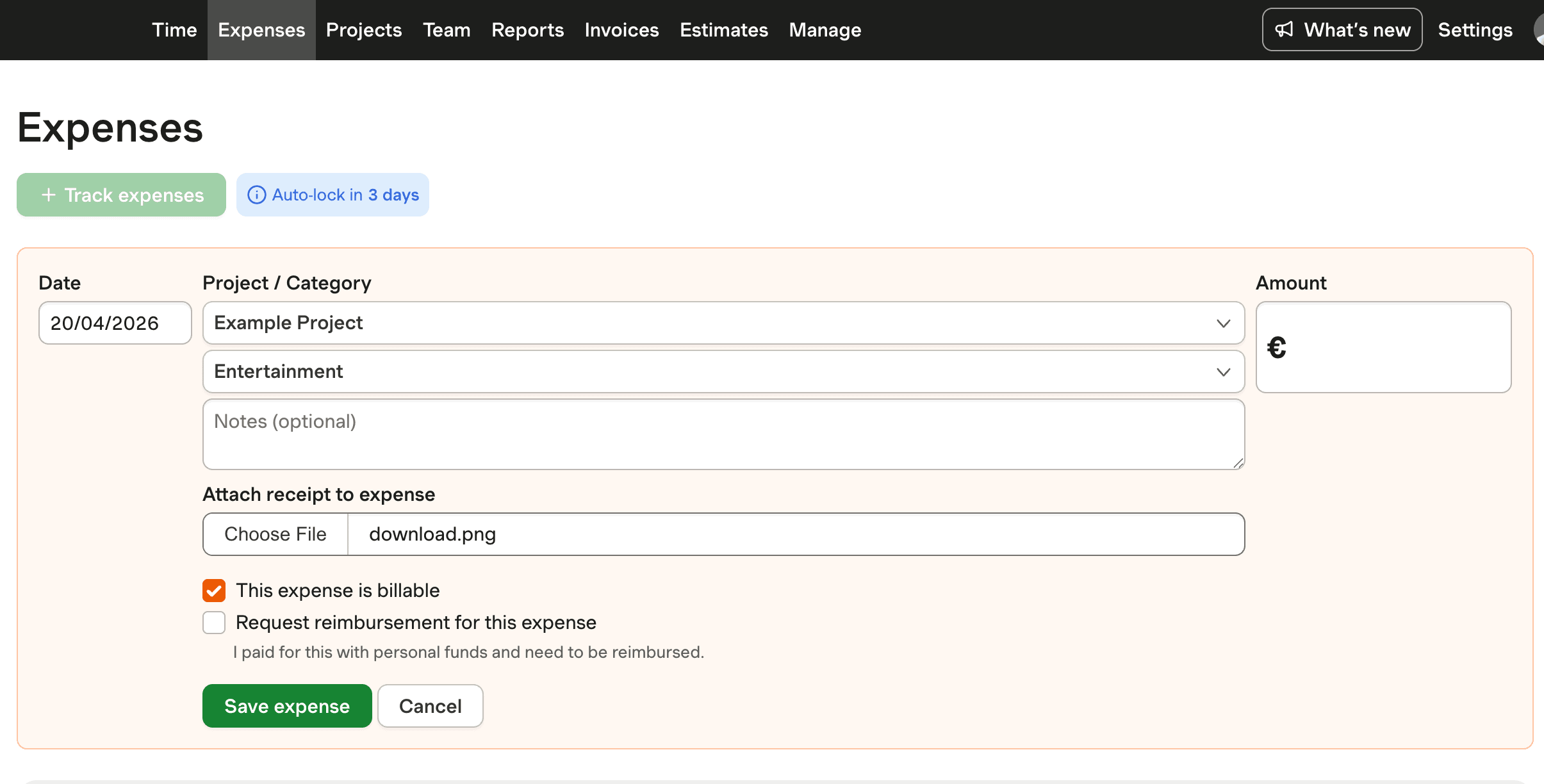
Harvest allows Uber Eats drivers to manually track mileage and generate detailed reports, aiding in tax preparation and financial management.

Screenshot showing Harvest's mileage tracking feature for Uber Eats drivers

Uber Eats Mileage Tracker FAQs

  • Uber Eats drivers can track their mileage using apps that offer manual entry and automatic tracking features. Harvest provides a manual input option for precise tracking, allowing drivers to record every business mile accurately.

  • Tracking mileage helps drivers claim significant tax deductions. For example, logging 20,000 miles in a year could result in a $14,500 deduction, saving thousands in taxes. Accurate records are essential to maximize these benefits.

  • Yes, Harvest allows users to manually input mileage and expenses. This feature helps Uber Eats drivers ensure accurate tracking of all deductible miles and expenses, facilitating tax preparation and financial analysis.

  • Only business-related miles are deductible for tax purposes. Differentiating between personal and business miles is crucial to ensure compliance with tax regulations and to maximize deductions.

  • Harvest simplifies mileage reporting by allowing users to generate detailed reports that categorize mileage by date and project. These reports can be exported to CSV/Excel, aiding in tax preparation and ensuring compliance.

  • The IRS standard mileage rate for business use in 2026 is $0.725 per mile. This rate covers all costs associated with business vehicle use, from fuel to maintenance.

  • Yes, the IRS requires detailed mileage logs to substantiate any deductions claimed. These logs must include trip dates, purposes, and distances to ensure compliance and maximize deductions.