
Harvest
Expenses
Sign up

Working From Home Mileage Claims

Harvest makes tracking mileage for business travel seamless, allowing users to document expenses with a fixed per-mile rate, ensuring compliance and accurate reimbursement.

EXPENSE REPORT DRAFT

Drop your receipts here or click to upload

Images and PDFs (max 10 MB each)

Date
Category
Merchant
Description
Amount
Total
$0.00

Customise report

Appearance

Show report title

Report settings

Understanding IRS Guidelines for Mileage Claims

When working from home, understanding IRS guidelines for mileage claims is crucial to ensure compliance and avoid penalties. Under the Tax Cuts and Jobs Act of 2017, employees cannot deduct unreimbursed employee business expenses, including mileage, through at least 2025. However, employers must follow the Fair Labor Standards Act (FLSA) to reimburse necessary business expenses, including mileage, ensuring employees earn at least the minimum wage net of these costs.

Harvest provides a practical solution for tracking mileage expenses with a fixed per-mile rate, allowing users to easily document business-related travel. While Harvest does not navigate IRS guidelines, it simplifies the process of recording mileage, ensuring that business trips are documented accurately, which is essential for compliance with employer reimbursement policies.
Documenting Business-Related Travel for Reimbursement

Accurate documentation of business-related travel is essential for claiming mileage reimbursement while working from home. This includes recording the date, purpose of the trip, starting and ending locations, and total miles driven. Without precise records, employees and employers risk non-compliance and potential audit issues.

Harvest facilitates this process by allowing users to document travel as an expense category, integrating mileage tracking into its broader expense management system. This ensures that all business-related travel is recorded accurately and can be easily differentiated from personal commuting. By using Harvest, businesses can streamline their reimbursement processes, reducing the chance of errors and improving efficiency.

Best Practices for Mileage Claims in Remote Work

Implementing best practices for mileage claims is key to managing expenses effectively in a remote work environment. Clear policies should define reimbursable mileage, supported by automated tracking tools to minimize errors. Regular submission schedules and accurate documentation are vital components of an efficient mileage claim process.

Harvest supports these best practices by offering a straightforward way to track mileage expenses. Users can set mileage rates and log trips directly within the platform, ensuring consistency and accuracy. While Harvest doesn't create reimbursement policies, its expense tracking capabilities help businesses maintain transparent and compliant records, vital for any remote work mileage policy.

State-Specific Regulations for Mileage Reimbursement

State-specific regulations add another layer of complexity to mileage reimbursement for remote employees. For instance, California requires employers to reimburse all necessary business expenses, including mileage, regardless of federal tax deductibility. Understanding these nuances is crucial for compliance and avoiding legal repercussions.

Although Harvest does not provide specific guidance on state regulations, it offers a reliable way to track mileage expenses using a fixed per-mile rate. By centralizing expense tracking, Harvest helps businesses focus on compliance with local laws by ensuring all travel expenses are documented accurately and consistently.

Calculating Mileage Reimbursement Rates

Accurate calculation of mileage reimbursement rates is vital for fair compensation and compliance. Employers often use standard rates like the IRS's, but need a system to apply these consistently across their teams.

With Harvest, administrators can set a fixed per-mile rate for mileage expenses, simplifying this calculation process. Although Harvest does not calculate rates based on actual expenses, its ability to track and categorize mileage ensures that every mile is accounted for correctly. This supports businesses in maintaining fair and transparent reimbursement practices.

Simplify Mileage Tracking with Harvest

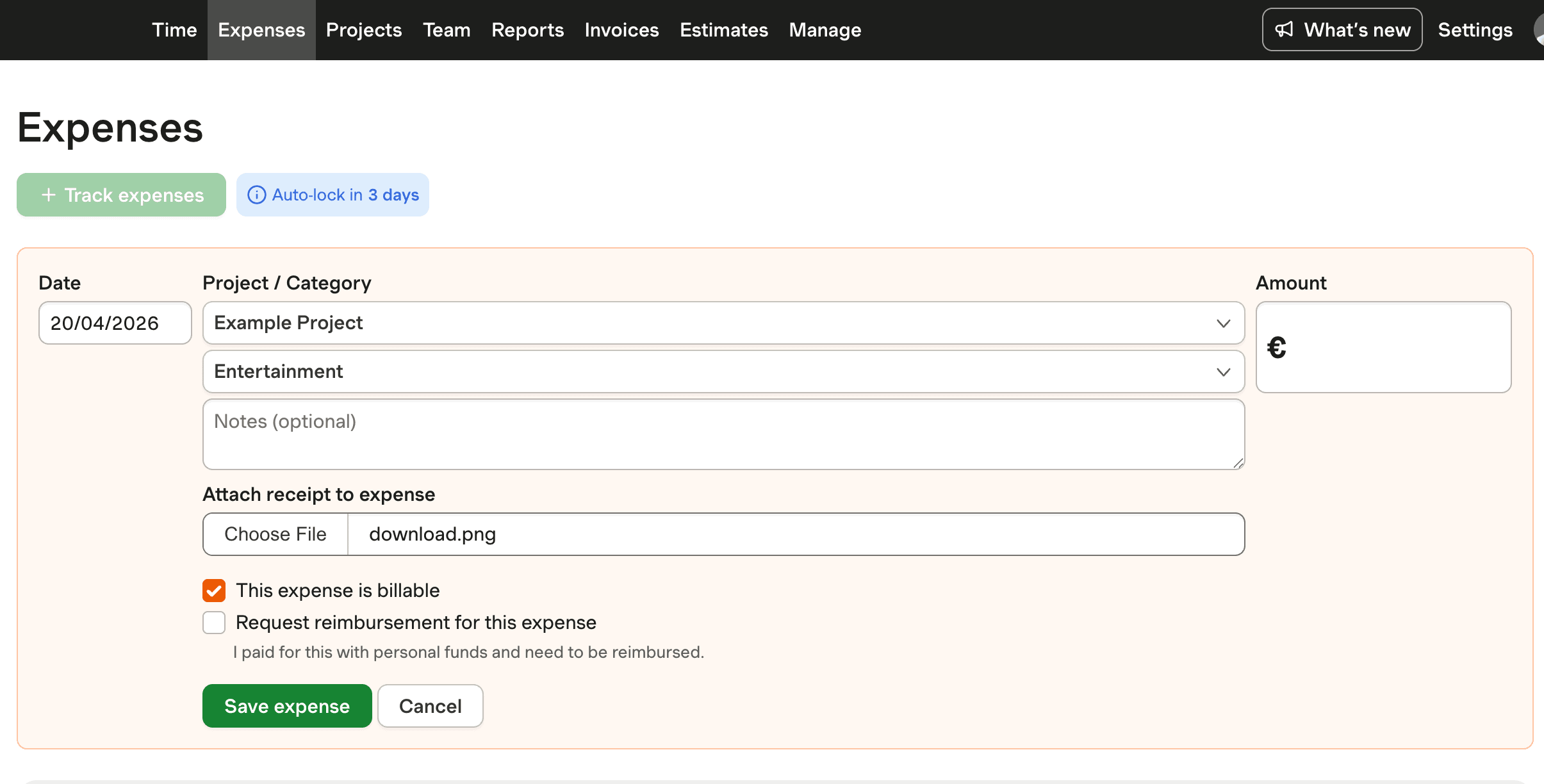
Harvest helps you track mileage expenses for remote work with ease, using a fixed per-mile rate to ensure accurate documentation and reimbursement.

Harvest interface showcasing mileage tracking for remote work.

Working From Home Mileage Claims FAQs

  • To document mileage for business travel, record the date, purpose of the trip, starting and ending locations, and total miles driven. Harvest simplifies this by allowing you to log mileage as an expense category, ensuring accurate and compliant records.

  • Under the Tax Cuts and Jobs Act of 2017, employees cannot deduct unreimbursed business expenses, including mileage, until at least 2025. Employers must reimburse necessary business expenses to comply with the Fair Labor Standards Act.

  • Employers typically use a standard rate, such as the IRS rate, to calculate mileage reimbursement. Harvest allows administrators to set a fixed per-mile rate for tracking mileage expenses consistently.

  • Yes, states like California mandate reimbursement for necessary business expenses, including mileage. While Harvest doesn't guide state-specific rules, it ensures accurate tracking of travel expenses.

  • Technology, like Harvest, improves mileage tracking by automating the logging process and integrating with expense management systems, reducing errors and ensuring consistent documentation.

  • Employees can claim necessary business expenses like mileage for traveling to client sites or company meetings. Harvest helps track these expenses accurately under a fixed per-mile rate structure.

  • Remote workers benefit by receiving fair compensation for business-related travel, reducing out-of-pocket costs. Harvest facilitates this by ensuring accurate mileage documentation, simplifying reimbursement.