
Harvest
Time Tracking
Sign up free

Time Card Calculator in Spain

Harvest offers flexible time tracking and reporting tools, making it easy to comply with Spain's labor laws by accurately recording employee hours and breaks.

Try Harvest Free

How many hours did you work this week?

Enter your clock-in and clock-out times for each day. The calculator handles breaks, overtime, and weekly totals automatically.

Day Clock In Clock Out Break Hours
Total hours this week 0h
Regular hours (≤40) 0h
Overtime hours 0h
Average hours/day 0h
Total break time 0h

Track time automatically with Harvest

Walk through the entire flow below. Start a timer, check your reports, and create a real invoice — all in three clicks.

Go ahead — start tracking!

One click and you're timing. Try it right here: start a timer, add an entry, edit the details. This is exactly how it feels in Harvest.

  • One-click timer from browser, desktop & mobile
  • Works inside Jira, Asana, Trello, GitHub & 50+ tools
  • Duration or start/end — your call
  • Day, week & calendar views to stay on top of it all
  • Friendly reminders so no hour gets left behind
Acme Corp
Website Redesign
Homepage layout revisions
1:24:09
Content Strategy
Blog calendar planning
1:30:00
SEO Audit
Technical audit report
0:45:00
Brand Guidelines
Color system documentation
2:15:00
Logo Concepts
Initial sketches round 1
1:00:00

Mandatory Time Tracking Compliance in Spain

Since May 12, 2019, Spain mandates that all companies maintain a daily record of their employees' working hours, as stipulated by Royal Decree-Law 8/2019. This requirement applies universally to all organizations, regardless of their size or sector, including remote and hybrid workers, and soon, senior executives. The objective is to enhance transparency, prevent labor abuses, and ensure accurate monitoring of overtime.

Employers must record exact start and end times, breaks, total daily hours, and distinguish between ordinary and overtime hours. Records must be stored for a minimum of four years and be accessible to employees and labor inspectors. Upcoming regulations in 2026 will enforce the use of digital, tamper-proof systems for time tracking, moving away from manual methods like paper timesheets or spreadsheets.
Understanding Spanish Labor Law Requirements

Spanish labor laws are stringent and require meticulous compliance in time tracking. A standard workweek is capped at 40 hours, with a proposal to reduce it to 37.5 hours without pay cuts. Overtime is limited to 80 hours annually, which must be compensated with time off within four months. Employees are entitled to breaks after six hours of work, at least 11 consecutive hours of rest daily, and a minimum of 24 hours of uninterrupted weekly rest.

The Royal Decree-Law 8/2019 also enforces the right to digital disconnection, ensuring employees are not penalized for not responding outside working hours. Violations can lead to fines ranging from €625 to €187,515, depending on the severity and number of affected employees. In 2024, fines totaled nearly €3 million, highlighting the importance of compliance.

Transitioning to Digital Time Tracking Systems

With the upcoming 2026 regulations, transitioning to digital time tracking systems becomes imperative. These systems must be objective, reliable, and tamper-resistant, providing auditable records while ensuring GDPR compliance. Companies must develop clear internal policies and train employees to effectively use these systems.

Digital systems should offer real-time access to employees for their time records and allow remote access for labor inspectors. Regular audits and reporting can help identify compliance gaps and ensure systems function correctly. This transition not only ensures legal compliance but also enhances the overall efficiency of managing employee hours.

Best Practices for Implementing Time Card Calculators in Spain

The transition to digital time card systems involves several best practices. First, audit current time tracking methods to identify compliance gaps. Next, adopt digital solutions that meet legal standards and provide verifiable evidence of work hours. These systems should prevent unauthorized modifications and facilitate employee consent for any changes.

Develop clear internal policies regarding clock-in/out obligations, data storage, and roles of employees and employers. Training sessions should be conducted to ensure all staff understand and comply with new protocols. Finally, ensure records are stored securely for the required duration and are accessible to those who need them.

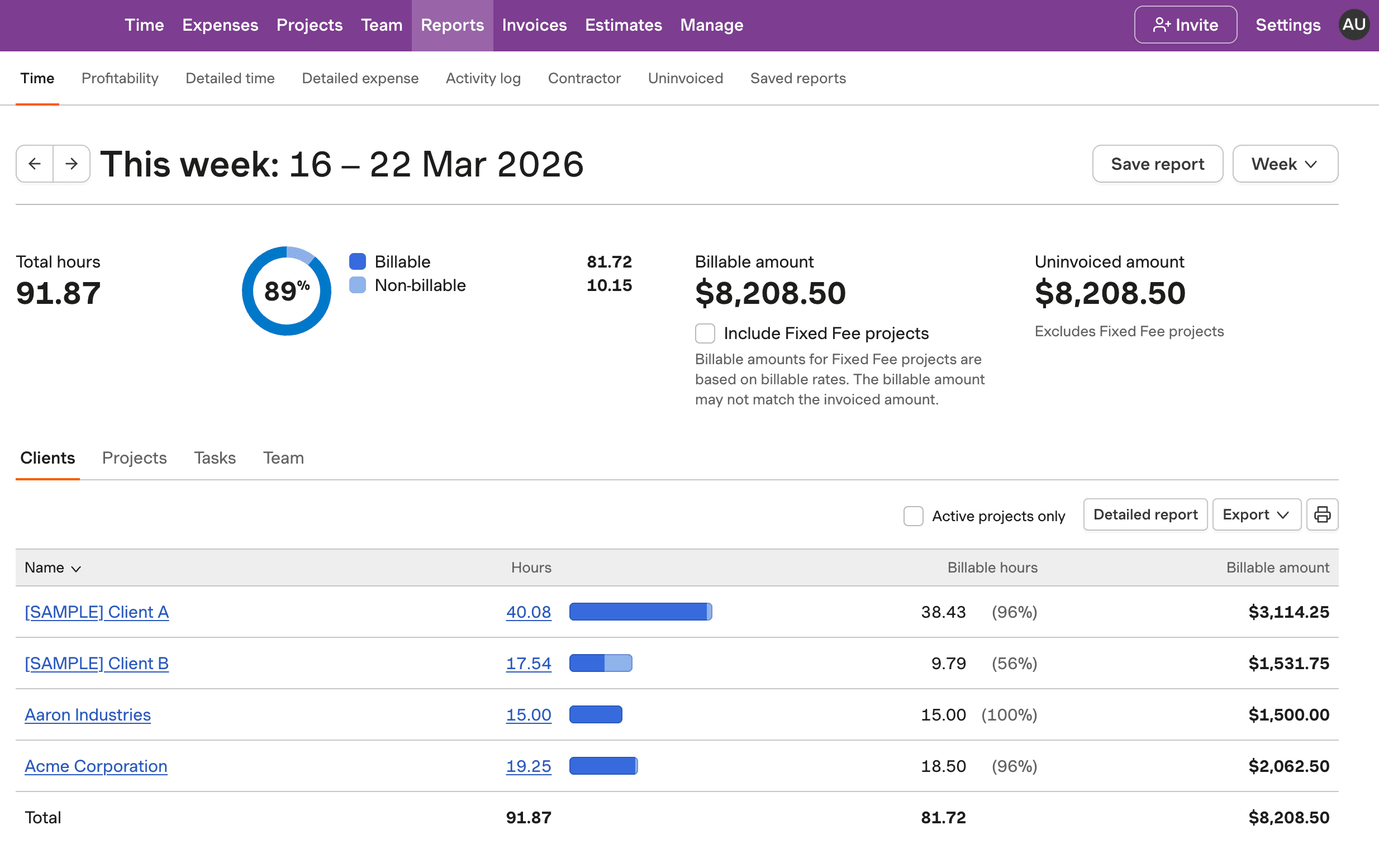
Time Card Calculator with Harvest

Harvest's time tracking displays employee hours and breaks, ensuring compliance with Spain's labor laws.

Harvest time tracking interface for Spanish labor compliance

Time Card Calculator in Spain FAQs

  • Yes, since Royal Decree-Law 8/2019, all companies in Spain must track employee working hours. This includes full-time, part-time, and remote workers, ensuring transparency and compliance with labor laws.

  • Employers in Spain are required to retain time records for a minimum of four years. These records must be accessible to employees and labor inspectors during this period.

  • Non-compliance can result in fines ranging from €625 to €187,515, depending on the severity and number of affected employees. In 2024, total fines reached nearly €3 million, underlining the importance of adherence to regulations.

  • While manual methods are currently allowed, upcoming regulations in 2026 will require digital, tamper-proof systems for compliance. This shift aims to enhance accuracy and prevent record tampering.

  • Records must include start and end times, breaks, total daily hours, and distinctions between ordinary and overtime hours. This ensures comprehensive compliance with Spanish labor laws.

  • Harvest provides flexible tools for recording work hours and breaks, making it easier to comply with Spain's labor regulations. It ensures accurate and accessible time tracking for both employees and inspectors.

  • While Harvest offers flexible time tracking tools, it does not specifically cater to Spanish payroll systems. However, its features can help maintain accurate records required by local labor laws.