
Harvest
Contracts
Sign up

Nda Template in Hungarian

Find a legally sound NDA template in Hungarian with specific clauses for GDPR compliance and trade secret protection. Harvest helps streamline contract management tasks.

Start from a template

AGREEMENT DRAFT

Add your logo here

Scope of work

Payment terms

Duration

Signatures

Client

Sign here

Contractor

Sign here

Get paid via:
Credit card / Debit card
ACH
Wire transfer

Customize contract

Appearance

Add a logo
Show contract title

Contract settings

Include payment terms Total fee, deposit, and schedule
Include termination clause Notice required to end the contract
Include signature blocks Both parties sign at the bottom

Understanding Hungarian NDA Requirements

Drafting a Non-Disclosure Agreement (NDA) in Hungary requires careful attention to local legal standards and specific confidentiality needs. An NDA in Hungary is primarily governed by the Hungarian Civil Code and the Act on the Right to Informational Self-Determination, which incorporates GDPR provisions. To ensure enforceability, Hungarian law mandates that NDAs go beyond generic confidentiality clauses. Instead, they must clearly identify the specific information being protected and implement robust safeguards.

For example, a recent decision by the Budapest-Capital Regional Court highlighted that broadly-worded NDAs may not suffice for trade secret protection. Businesses are encouraged to define confidential information precisely, detailing specific data, processes, or know-how as trade secrets, and to implement measures such as controlled access and internal confidentiality rules. These steps are critical, especially in light of the EU Trade Secrets Directive, which emphasizes concrete measures to preserve secrecy.

Key Components of a Hungarian NDA Template

A well-drafted NDA template in Hungarian should include several critical components to ensure legal compliance and effectiveness. First, it is vital to define "confidential information" with specificity, avoiding vague or overly broad descriptions. This ensures that all parties understand what is protected and the scope of confidentiality obligations.

Additionally, the NDA should incorporate clauses that address the duration of confidentiality, the obligations of involved parties, and the consequences of a breach. Legal experts often recommend including contractual penalties for breaches, providing a flat-rate compensation mechanism for confidentiality violations. However, keep in mind that Hungarian courts retain the discretion to evaluate the appropriateness of such penalties.

Finally, given the dynamic nature of legal requirements, NDAs should be regularly reviewed and updated to remain compliant with the latest legal standards, including new EU directives and local Hungarian laws.

Ensuring GDPR Compliance in Hungarian NDAs

With GDPR being a significant aspect of data protection in Hungary, ensuring compliance within NDAs is essential. The GDPR mandates strict controls over the handling of personal data, and non-compliance can result in substantial fines, up to EUR 10 million or 2% of the annual turnover. Therefore, Hungarian NDAs must address data protection obligations clearly.

To achieve GDPR compliance, NDAs should incorporate clauses that limit data collection to what is necessary for the agreement and outline data processing procedures. The Hungarian National Authority for Data Protection and Freedom of Information (NAIH) emphasizes the necessity of appointing a Data Protection Officer (DPO) for oversight, particularly for organizations handling significant volumes of personal data.

Businesses must also demonstrate proactive data minimization and maintain transparency in how data is managed, ensuring that NDAs reflect these principles to avoid legal pitfalls.

Customization and Legal Oversight for Hungarian NDAs

Customizing an NDA to meet specific business needs while ensuring legal compliance in Hungary can be complex. Legal experts recommend consulting with professionals fluent in Hungarian law to tailor NDAs effectively. This ensures that the agreement addresses unique business operations and legal requirements adequately.

Incorporating jurisdiction and choice of law clauses is also a crucial step, particularly for international agreements. These clauses provide clarity on the governing law and the jurisdiction for dispute resolution, adding predictability in case of legal conflicts.

Moreover, organizations should implement regular reviews and updates of NDA templates to adapt to evolving legal landscapes, reinforcing compliance with both Hungarian and EU regulations.

Explore Hungarian NDAs with Harvest

Discover Harvest's insights on crafting Hungarian NDAs that ensure GDPR compliance and protect trade secrets.

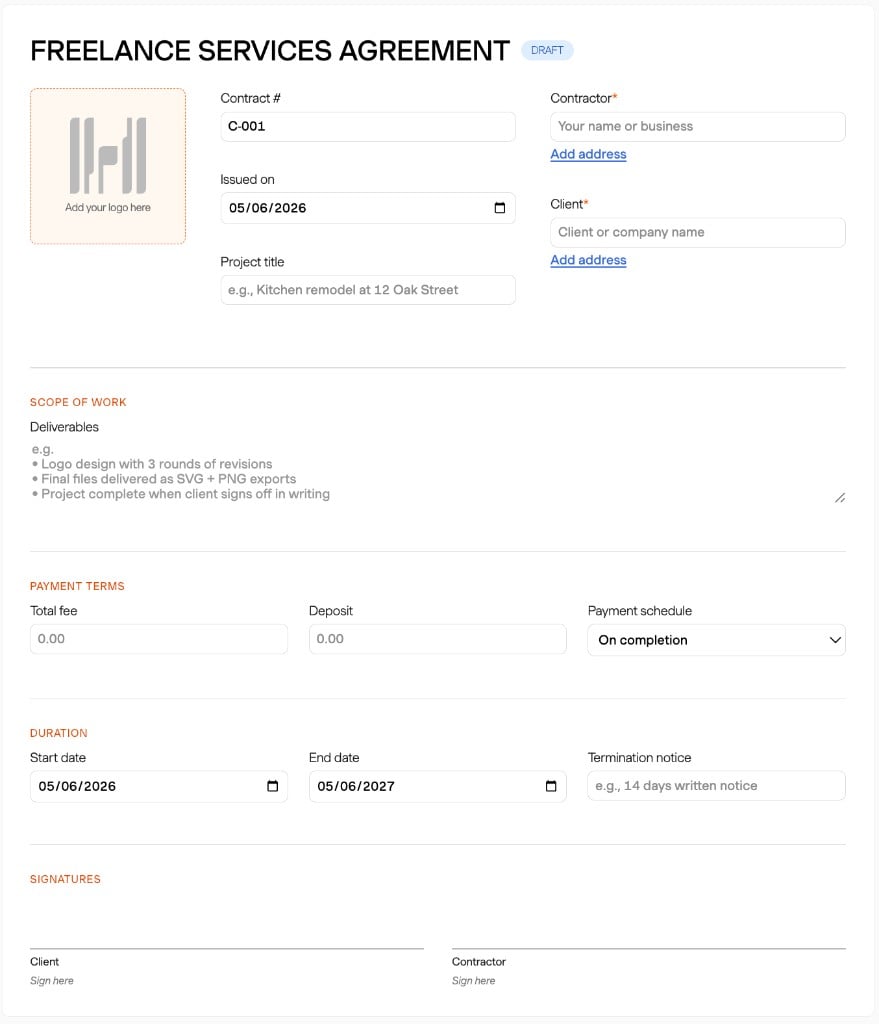
Screenshot of Hungarian NDA template with GDPR compliance clauses.

Nda Template in Hungarian FAQs

  • A Hungarian NDA should clearly define confidential information, specify the term of the agreement, and include clauses for data protection and breach consequences. Specificity is crucial to ensure enforceability.

  • GDPR requires NDAs in Hungary to have clear data processing terms, data minimization practices, and conditions for handling personal data. Non-compliance can lead to substantial fines.

  • To protect trade secrets, Hungarian NDAs should include specific confidentiality definitions, controlled access measures, and internal rules for information management. Broad clauses are often deemed insufficient.

  • Regular updates ensure NDAs remain compliant with evolving legal standards and EU directives. This is crucial for maintaining enforceability and aligning with current laws.

  • Businesses can enhance enforceability by clearly defining confidential information, implementing access controls, and including contractual penalties. Consulting legal experts is also recommended.

  • Contractual penalties in NDAs provide a pre-determined compensation mechanism for breaches of confidentiality, although Hungarian courts can review their appropriateness.

  • Broad confidentiality clauses may weaken enforceability as Hungarian law requires specific identification of protected information and active safeguarding measures.