
Harvest
Contracts
Sign up

Nda Template in Polish

Harvest aids businesses in managing sensitive information through effective NDAs, essential for Polish industries like IT and M&A.

Start from a template

AGREEMENT DRAFT

Add your logo here

Scope of work

Payment terms

Duration

Signatures

Client

Sign here

Contractor

Sign here

Get paid via:
Credit card / Debit card
ACH
Wire transfer

Customize contract

Appearance

Add a logo
Show contract title

Contract settings

Include payment terms Total fee, deposit, and schedule
Include termination clause Notice required to end the contract
Include signature blocks Both parties sign at the bottom

Understanding NDAs in Polish Business

Non-disclosure agreements (NDAs) have become a staple in Polish business relations, serving as a critical tool for safeguarding sensitive information. Signing an NDA is now often considered a pre-requisite for initiating any form of cooperation, such as commercial collaborations or auditing services. This practice not only enhances trust between parties but also protects vital business secrets from potential breaches. In Poland, NDAs are increasingly seen as essential during mergers and acquisitions (M&A), as well as in sectors like IT and new technologies, where they protect assets like source codes and client databases.

While specific statistics on the adoption rates of NDAs in Poland are scarce, the qualitative trend shows a strong inclination towards their use across various sectors. For instance, startups and freelancers frequently utilize NDAs to protect unique business models and strategies when engaging with investors or collaborators. This widespread adoption underscores the importance of NDAs in maintaining competitive advantages and securing business interests in Poland.

Legal Framework and Compliance for NDAs in Poland

In Poland, NDAs are governed by the principle of freedom of contract under the Civil Code, rather than being a "named contract" (umowa nazwana). This legal flexibility allows parties to tailor NDAs to their specific needs while ensuring compliance with Polish law. Moreover, even in the absence of a formal NDA, confidential information is protected under the Act on Combating Unfair Competition, which penalizes the unlawful disclosure or acquisition of trade secrets.

Penalties for breaching NDAs or trade secret laws in Poland are serious, potentially leading to fines or imprisonment for up to two years. Therefore, it is crucial for businesses to draft NDAs with precision, clearly defining what constitutes confidential information and laying out the consequences of breaches. This clarity not only aids enforcement but also minimizes the risk of costly legal disputes.

Key Elements and Practical Tips for Polish NDAs

To draft an effective NDA in Poland, it is essential to define confidential information precisely. Avoid vague terms like "everything is confidential," as these can complicate enforcement. Key elements should include the types of information protected, such as financial data, client lists, and technical specifications. Timing is also crucial—sign the NDA before any confidential information is exchanged to ensure legal protection from the outset.

NDAs should specify the duration of confidentiality obligations, often extending beyond the main contract term. Including clauses for contractual penalties (kary umowne) can simplify enforcement by eliminating the need to prove the exact damages incurred. Additionally, it's wise to determine whether the NDA is unilateral or bilateral, depending on whether one or both parties will disclose and protect information. Finally, address the return or destruction of confidential information upon the agreement's termination to prevent unauthorized use or dissemination.

The Role of NDAs in Various Polish Industries

NDAs play a crucial role across different industries in Poland, each with unique requirements and considerations. In the IT sector, NDAs protect proprietary technologies and client databases during negotiations for service contracts and digital transformations. Mergers and acquisitions rely on NDAs to safeguard confidential financial and business data throughout the due diligence process.

In employer-employee relationships, NDAs help protect internal company information, such as client lists and marketing strategies, from being misused even after employment ends. Additionally, logistics companies use NDAs to prevent the unauthorized sharing of strategic client information with competitors. By adapting NDAs to meet industry-specific needs, businesses can effectively manage risks and secure their competitive edge in the Polish market.

Expert Advice on Crafting NDAs in Poland

Experts emphasize that a well-crafted NDA is essential for effective protection. Industry professionals advise against generic templates, recommending instead that businesses invest in NDAs tailored to their specific circumstances. Legal experts suggest that the cost of professional drafting is far less than potential litigation resulting from a poorly constructed agreement.

Moreover, thought leaders highlight the importance of NDAs not just in signing but in clearly outlining the scope, exceptions, and duration of confidentiality obligations. This clarity streamlines information flow, reduces disputes, and enhances business relationships. Standardization efforts, such as those by Fundacja LegalTech Polska, aim to develop robust NDA templates that can be adapted to various business contexts in Poland.

Explore Harvest's NDA Solutions

See how Harvest supports Polish businesses with NDA templates, ensuring compliance and confidentiality.

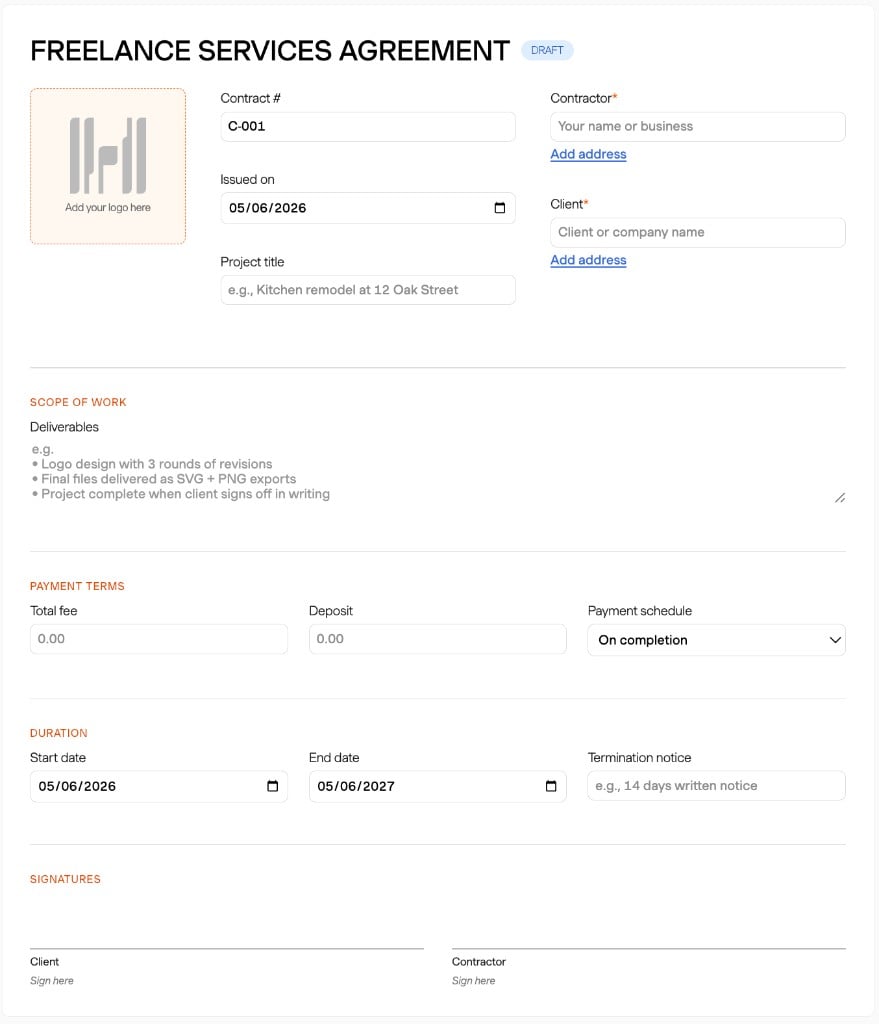
Screenshot of Harvest NDA template interface for Polish compliance.

Nda Template in Polish FAQs

  • An NDA, or non-disclosure agreement, is a legal contract that protects confidential information from being disclosed to unauthorized parties. It is crucial for maintaining a competitive edge and securing sensitive business data.

  • An effective NDA in Poland should clearly define confidential information, specify the duration of confidentiality obligations, and include clauses for penalties in case of breaches. It's essential to tailor the NDA to specific business needs.

  • Yes, NDAs are legally binding in Poland under the principle of freedom of contract, as regulated by the Civil Code. They must be carefully drafted to comply with legal standards and protect trade secrets effectively.

  • The duration of confidentiality obligations in an NDA should be specified in the agreement, often extending beyond the main contract term to ensure ongoing protection. The period can vary based on the nature of the information.

  • Breaching an NDA in Poland can lead to significant penalties, including fines or imprisonment for up to two years. It's crucial to define breaches and penalties clearly in the agreement to facilitate enforcement.

  • In Poland, trade secrets are protected under the Act on Combating Unfair Competition, even without a formal NDA. However, having a signed NDA provides stronger legal grounds for protection and enforcement.

  • Freelancers and startups use NDAs to protect unique business models and strategies when engaging with investors or collaborators. This helps ensure that their innovative ideas remain confidential and secure.