
Harvest
Expenses
Sign up

Car Distance Tracker

Harvest simplifies mileage expense tracking by allowing manual entry and categorization, making it ideal for small teams focused on accuracy without the need for automated systems.

  • Attach receipts to projects & tasks
  • Turn tracked expenses into client invoices
  • Free 30-day trial, no credit card needed

or drag & drop • Images and PDFs, max 10 MB

The Importance of Accurate Mileage Tracking

Accurate mileage tracking is essential for businesses looking to optimize expenses and comply with tax regulations. Manual methods, such as paper logbooks, are prone to errors and can lead to significant time loss. For instance, drivers using manual tracking can spend up to 40 hours annually on mileage entry tasks alone. This not only consumes valuable time but also opens the door to inaccuracies and potential fraud, with 47% of employees admitting to exaggerating mileage claims when using manual methods.

Automated mileage tracking systems have become the preferred solution, offering point-to-point GPS verification to ensure accuracy. Such systems can save companies an average of 20% in costs by eliminating errors and exaggerated claims. However, for small teams and businesses that do not require real-time tracking, manual tracking with tools like Harvest provides a straightforward method to log and categorize mileage expenses accurately.
Manual vs. Automated Mileage Tracking Solutions

The debate between manual and automated mileage tracking solutions centers around accuracy and efficiency. Automated solutions are praised for their ability to save time—up to 42 hours annually per employee—by capturing mileage automatically. This is particularly beneficial in industries with high travel demands, such as construction and healthcare, where precise mileage tracking is crucial for cost management and compliance.

Despite the advantages of automation, not all businesses require such systems. Harvest offers a solution for those who prefer manual entry, allowing users to record mileage expenses directly into the platform. This method is ideal for small teams that need to track expenses without the additional cost of automated systems. While Harvest doesn’t provide automatic trip classification or IRS-compliant logs, it enables users to manually categorize expenses, ensuring that all necessary data is captured for accurate reporting.

Legal Considerations for Mileage Tracking

Understanding the legal framework surrounding mileage tracking is crucial for compliance. In the US, state laws dictate how vehicle tracking can be implemented, with states like California and New York requiring explicit consent for GPS tracking. Violations can result in fines ranging from $1,000 to $10,000 per incident. In the EU, GDPR imposes strict regulations on the collection and use of personal data, including location data from tracking systems.

For businesses using manual tracking solutions like Harvest, these legal considerations are less complex. Since Harvest relies on user-entered data rather than automated GPS tracking, it circumvents many of the legal challenges associated with real-time tracking systems. However, businesses must still ensure clear reimbursement policies and obtain consent where necessary to ensure compliance with all applicable laws.

Integration with Financial Systems

Integrating mileage tracking with financial and accounting systems streamlines expense management and enhances financial oversight. Automated tracking solutions typically offer seamless integration, which simplifies the expense reporting process and ensures audit-ready documentation. For example, automatic syncing with CRM systems can reduce administrative burdens and minimize reimbursement costs by 10-20%.

While Harvest does not offer real-time integration with GPS tracking, it provides robust capabilities for manually entered data. By integrating with broader expense management workflows, Harvest allows businesses to maintain centralized visibility over expenses. This integration ensures all travel costs are accurately accounted for and helps prepare organizations for financial audits.

Tips for Effective Mileage Tracking

Effective mileage tracking requires careful planning and the right tools. Implementing automated tracking solutions can significantly enhance accuracy, but for those using manual systems like Harvest, certain best practices should be followed. Firstly, define clear reimbursement policies that distinguish between business and personal mileage. This reduces disputes and ensures compliance with tax regulations.

Secondly, maintain detailed records of all trips, including date, destination, purpose, and distance. This is crucial for audit readiness and can prevent costly penalties. Finally, integrate mileage tracking with other expense management systems to streamline processing and ensure all expenses are captured consistently. By following these practices, businesses can maximize the benefits of their mileage tracking efforts, regardless of the method used.

Track Mileage with Harvest

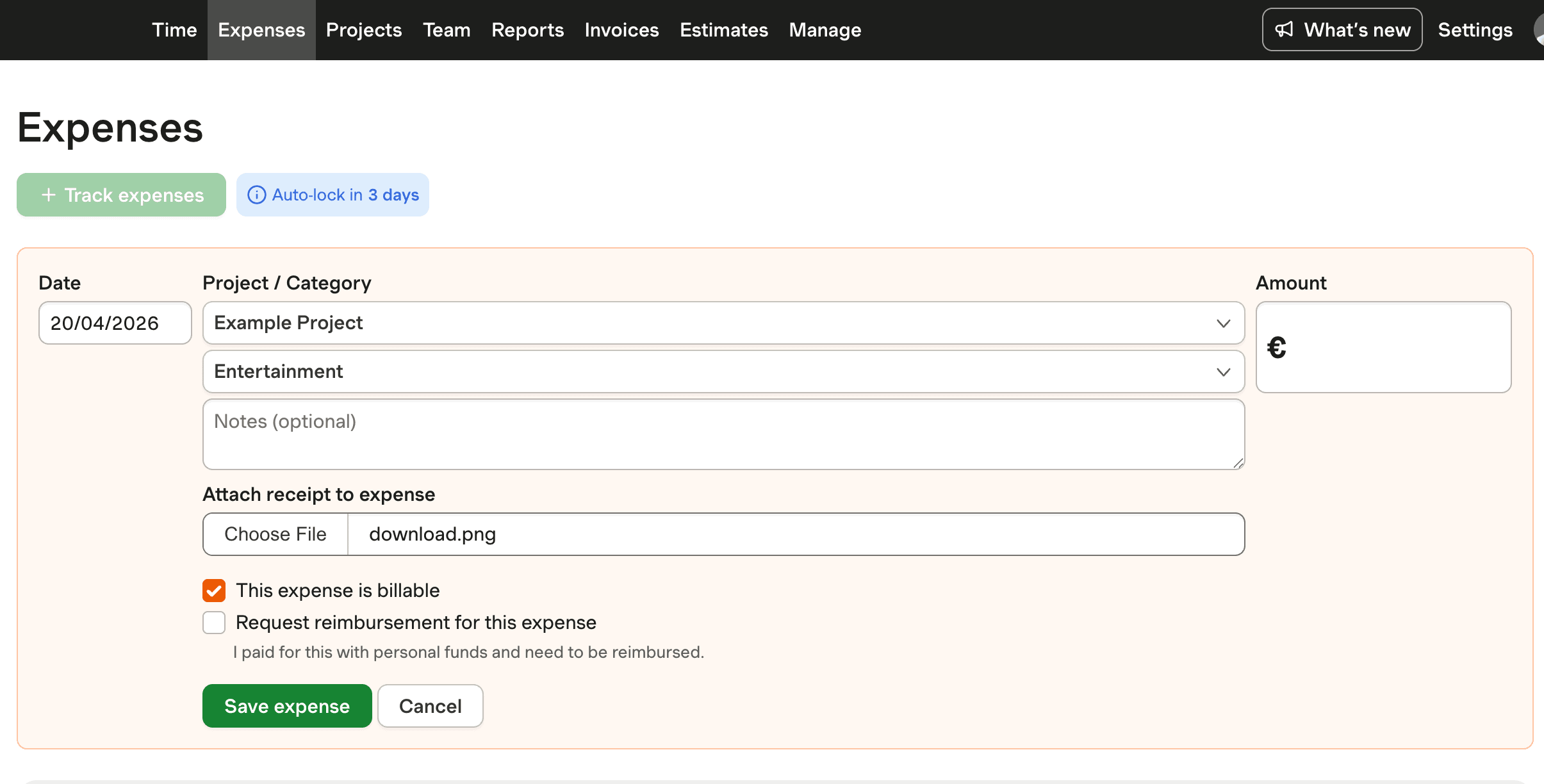
Explore how Harvest allows manual logging and categorization of mileage expenses, ideal for small teams seeking accuracy.

Screenshot of Harvest's mileage expense tracking interface.

Car Distance Tracker FAQs

  • A car distance tracker records the distance a vehicle travels, often using GPS technology for accuracy. Automated systems capture this data in real-time, while manual trackers like Harvest require users to input mileage manually. This data is crucial for expense reporting and tax compliance.

  • Mileage trackers help businesses accurately record travel expenses, ensuring compliance with tax regulations and reducing errors. Automated solutions can save employees up to 42 hours annually on mileage entry tasks, while manual systems provide a cost-effective alternative for smaller teams.

  • Many mileage tracking apps offer IRS-compliant logs, capturing detailed trip data automatically. However, Harvest focuses on manual entry, enabling users to categorize expenses but not specifically providing IRS-compliant logs.

  • Mileage tracking reduces costs by eliminating errors and exaggerations in reported expenses. Automated systems can save companies an average of 20% on mileage costs. Manual systems like Harvest provide a low-cost alternative for accurate record-keeping.

  • To log mileage expenses in Harvest, users manually input details such as distance traveled and purpose of the trip. This information can then be categorized for accurate expense reporting, ideal for small teams and businesses.