
Harvest
Expenses
Sign up

Gas Mileage Log Sheet

Harvest provides a straightforward manual system for tracking mileage expenses, ensuring accurate records for project-based billing and tax deductions.

  • Attach receipts to projects & tasks
  • Turn tracked expenses into client invoices
  • Free 30-day trial, no credit card needed

or drag & drop • Images and PDFs, max 10 MB

The Importance of Accurate Mileage Tracking

Accurate mileage tracking is crucial for businesses and individuals seeking to maximize tax deductions and ensure compliance with IRS guidelines. Improper or incomplete mileage logs can lead to increased tax liabilities, as reimbursements may be reclassified as taxable income during audits. For a mileage log to be IRS-compliant, it must include the date, destination, business purpose, starting and ending odometer readings, and total miles driven. By maintaining meticulous records, small businesses and freelancers can claim significant tax deductions, ultimately improving their financial outcomes.

While traditional paper logs are still used, they are prone to human errors like miscalculations and misplaced entries. Digital solutions have revolutionized mileage tracking by offering real-time logging capabilities and integration with other business systems. Despite these advancements, Harvest provides a reliable manual mileage tracking system that ensures essential log information is captured accurately, supporting project-based billing and tax deduction claims.
Challenges with Manual Mileage Logging

Manual mileage logging, while straightforward, presents several challenges, including the risk of human error and the time-consuming nature of accurately recording each trip. Errors such as misplacement of logs, incorrect calculations, and overlooked entries can compromise the integrity of mileage records. These issues often result in financial discrepancies and may lead to non-compliance with IRS requirements.

Despite these challenges, Harvest’s manual tracking capabilities offer a simple yet effective solution for maintaining accurate mileage logs. By focusing on recording key information such as trip dates, destinations, and odometer readings, Harvest ensures that users can easily manage their mileage expenses. This attention to detail helps users avoid common pitfalls associated with manual logging and supports their efforts to achieve financial compliance.

Maximizing Efficiency with Mileage Tracking

Efficient mileage tracking not only helps businesses and individuals comply with IRS regulations but also enhances overall operational efficiency. Automated systems save an average of 42 hours annually for users by eliminating the need for manual entry. However, not all businesses require full automation. Some may prefer a more straightforward approach, like Harvest's manual tracking system, to maintain control over the data entry process.

Harvest allows users to manually categorize and record mileage expenses, supporting detailed project-based billing. While it does not offer automated tracking or differentiation between personal and business mileage, the manual approach can be seamlessly integrated into existing business processes. By leveraging Harvest's mileage tracking, users can streamline their expense management practices, leading to improved financial oversight and cost savings.

IRS Compliance and Financial Oversight

Ensuring IRS compliance in mileage tracking is essential for avoiding potential tax penalties and maximizing deductions. Mileage logs must be meticulously maintained, capturing all required details to substantiate claims during audits. Non-compliance can result in reimbursements being classified as taxable income, increasing both employee tax liabilities and employer payroll costs.

Harvest supports users in maintaining IRS-compliant logs by providing a structured framework for manual mileage entry. While it does not automate compliance checks or support multiple IRS mileage rates, it offers a reliable method for recording essential trip details. This makes Harvest an effective tool for users prioritizing accuracy and compliance in their mileage tracking efforts.

Track Mileage with Harvest

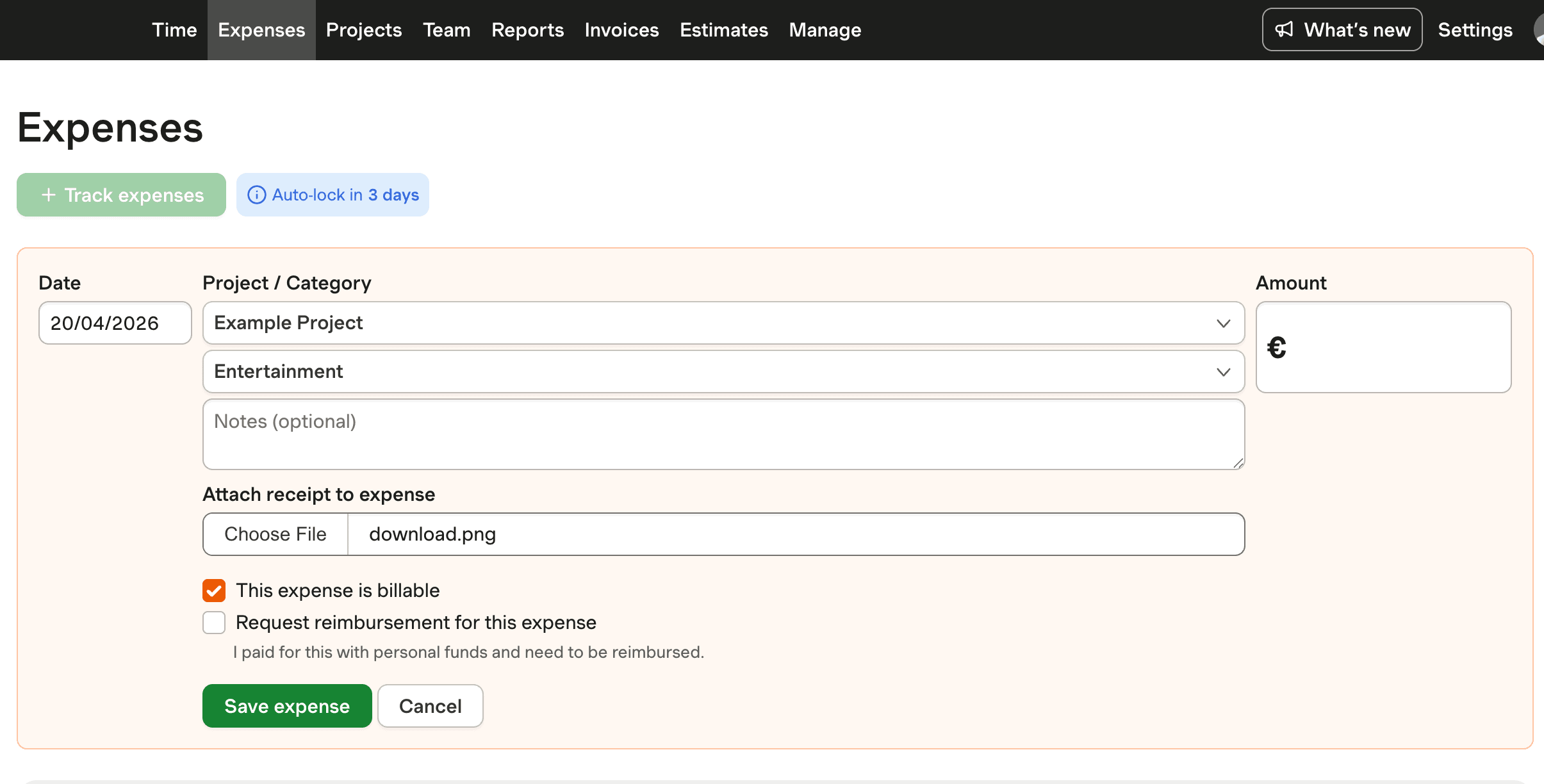
Harvest's manual mileage log feature ensures accurate records for project-based billing and tax deductions.

Screenshot of Harvest's manual mileage log feature.

Gas Mileage Log Sheet FAQs

  • The best format for a gas mileage log sheet is one that includes essential details such as the date, destination, business purpose, starting and ending odometer readings, and total miles driven. This format ensures compliance with IRS regulations and aids in accurate record-keeping.

  • To ensure your mileage log is IRS compliant, include the date, destination, business purpose of each trip, and starting and ending odometer readings. Accurate and complete records help maximize tax deductions and avoid penalties during audits.

  • Yes, many websites offer free templates for gas mileage logs in various formats like PDF or Excel. These templates are designed to help you maintain accurate records and ensure compliance with IRS guidelines.

  • To track both business and personal mileage effectively, consider using separate logs or categories within a single log. Harvest allows manual entry and categorization of mileage, helping you maintain clear records for different purposes.

  • Switching from paper logs to digital solutions can save an average of 42 hours annually on mileage entry tasks. Digital solutions enhance accuracy and efficiency, reducing administrative errors and improving compliance with IRS regulations.

  • While Harvest allows manual entry and categorization of mileage, it does not automatically differentiate between business and personal mileage. Users must manually categorize their entries to maintain separate records.

  • An effective mileage log should include the date of each trip, the destination, the business purpose, starting and ending odometer readings, and the total miles driven. This information supports tax deduction claims and ensures compliance.

  • Harvest's manual mileage tracking system allows users to accurately record and categorize mileage expenses, supporting detailed project-based billing. This ensures transparency and efficiency in financial management.