
Harvest
Expenses
Sign up

Free Mileage Log

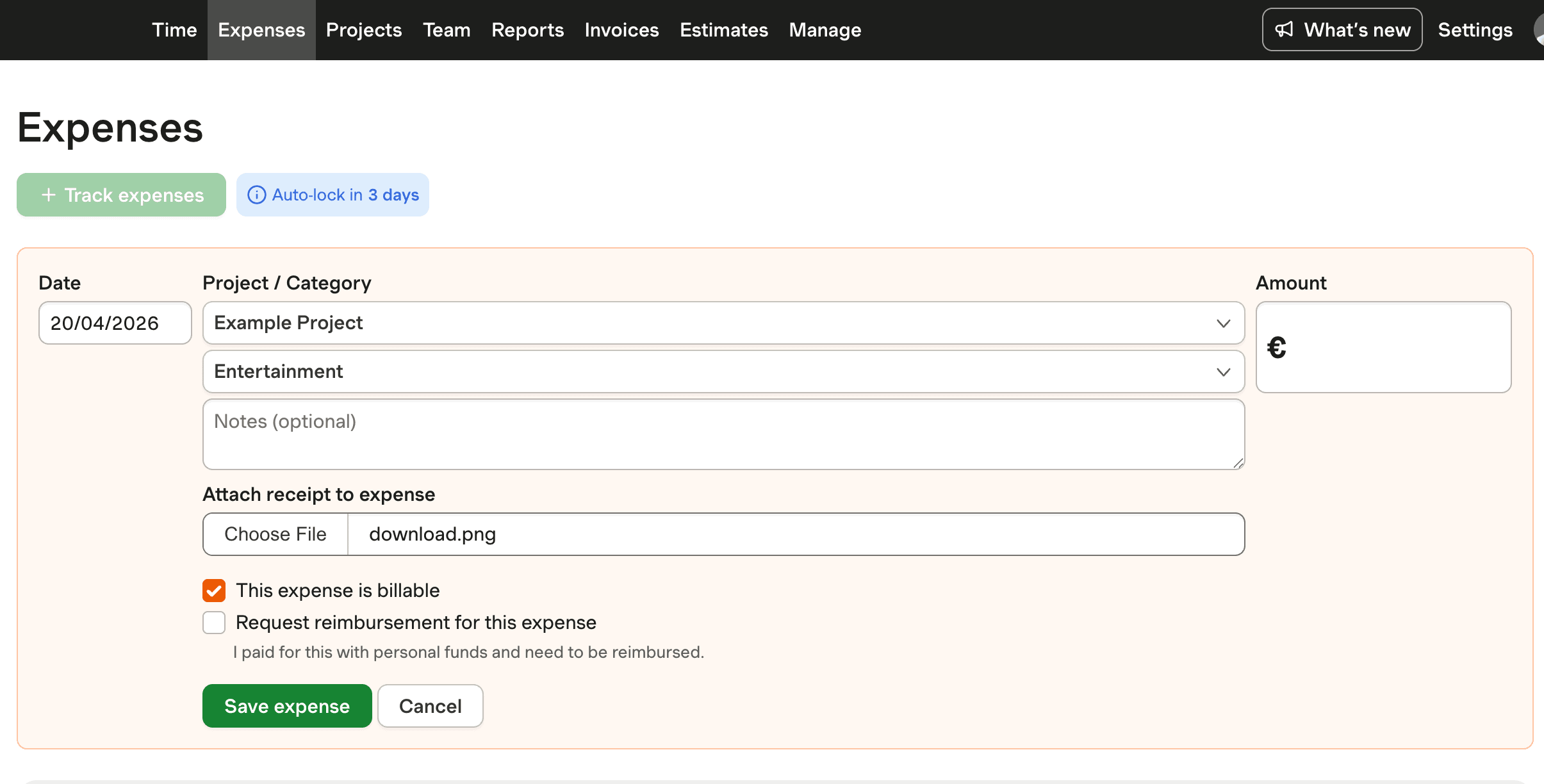
Harvest offers a straightforward method for manually tracking mileage expenses, ideal for small businesses needing basic expense management without complex compliance features.

  • Attach receipts to projects & tasks
  • Turn tracked expenses into client invoices
  • Free 30-day trial, no credit card needed

or drag & drop • Images and PDFs, max 10 MB

The Importance of Accurate Mileage Logging for Tax Deductions

Accurate mileage logging is crucial for maximizing tax deductions and ensuring compliance with IRS requirements. Failing to maintain a precise and contemporaneous mileage log can result in disallowed deductions and potentially trigger audits. According to IRS guidelines, a mileage log must include the date of the trip, starting and ending locations, the business purpose, and the total miles driven. Missing or inaccurate entries can cost businesses significantly in terms of penalties and lost deductions.

Despite the shift towards automated solutions, many small businesses still rely on manual tracking methods. Harvest provides a straightforward way to manually enter mileage expenses, making it an ideal solution for those who prefer a simple, yet effective, approach to mileage logging. By allowing users to input mileage quantities and assign a custom per-mile rate, Harvest helps in calculating travel expenses accurately, without the need for complex systems.
Manual Mileage Logging: A Practical Approach with Harvest

While automated mileage tracking solutions are becoming more prevalent, manual logging remains a viable option for many businesses, particularly small enterprises. The challenge with manual systems lies in maintaining accuracy and ensuring compliance with tax regulations. However, when done correctly, manual tracking can offer a reliable means of documenting business travel expenses.

Harvest enables users to manually track mileage by entering the total miles driven and applying a set rate per mile. This feature is particularly beneficial for businesses that do not require automated compliance features but still need a method to calculate and record travel expenses. By using Harvest’s manual entry system, businesses can ensure that their mileage records are consistent and ready for audit, without the complexities of automated tools.

Meeting IRS Compliance with Your Mileage Log

To ensure IRS compliance, a mileage log must be comprehensive and detailed. This includes recording the date, starting and ending points, business purpose, and total miles driven. Additionally, the IRS requires that logs be accurate and maintained at or near the time of each trip. For businesses, failing to meet these requirements can lead to significant penalties and disallowed deductions.

While Harvest does not provide automated compliance features, it supports manual entry of mileage expenses, allowing businesses to track travel costs accurately. By setting a custom mileage rate, users can ensure that their logs reflect the correct expenses for each trip, which is essential for meeting IRS standards. This manual approach can be particularly useful for small businesses that need a simple, yet effective, method to document business-related travel.

Maximizing Savings with Manual Mileage Tracking

Manual mileage tracking can still offer substantial savings for businesses, despite the market trend toward digital solutions. By ensuring accurate recording of mileage expenses, companies can effectively manage travel costs and maximize tax deductions. For instance, sales organizations have reported cutting transportation costs by up to 30% annually through effective mileage management.

Harvest allows businesses to leverage these savings by providing a platform for manual entry of mileage data. By calculating expenses based on a set per-mile rate, Harvest helps businesses keep track of travel costs without the need for complex digital systems. This approach not only aids in accurate expense reporting but also helps businesses maintain control over operational costs, ensuring that every mile driven is accounted for.

Free Mileage Log with Harvest

Discover how Harvest helps small businesses track mileage expenses manually, ensuring accurate and compliant records.

Screenshot of Harvest's mileage log tracking feature.

Free Mileage Log FAQs

  • A mileage log should include the date of the trip, starting and ending locations, the business purpose, and total miles driven. Accurate entries ensure compliance with IRS standards.

  • To ensure IRS compliance, maintain accurate and detailed records, including the date, starting and ending points, business purpose, and miles driven. Logs should be contemporaneous, recorded at or near the time of the trip.

  • Manual mileage tracking allows businesses to maintain control over their travel expenses without relying on complex systems. It can be particularly useful for small businesses that need a straightforward approach to expense management.

  • Harvest provides a platform for manual mileage entry, allowing businesses to input total miles driven and set a custom per-mile rate. This helps in accurately calculating and recording travel expenses.

  • Common mistakes include estimating distances, failing to record trips contemporaneously, and not distinguishing between business and personal travel. Accurate and timely logging is essential for compliance.

  • Yes, manual tracking can lead to significant savings by ensuring accurate recording of travel expenses, which maximizes tax deductions and helps manage operational costs effectively.

  • The IRS standard mileage rate for business use in 2026 is 72.5 cents per mile. This rate is used to calculate deductible travel expenses for business purposes.